

Your Vacation Photos Are Terrible (But I Can Help)
A Guide to Better Travel Photos
Most vacation photos don’t tell stories; they just prove you were there. But with a little patience and a shift in how you see, you can make photographs that actually last.
Your vacation photos are terrible. Don’t take it personally; most are. The over-posed family shot in front of the Eiffel Tower, the washed-out beach sunset, the “candid” that looks like a hostage negotiation. You spent thousands to be there, and your camera didn’t seem to notice.
The good news? You don’t need better gear (you might) or a new preset pack (please don’t buy those!). You just need to think like a storyteller instead of a tourist. Every great trip has one image that carries the weight of the whole experience—what editors call an environmental portrait.
It’s not about where you went. It’s about who you were when you got there.
The Environmental Portrait: Your Trip’s North Star
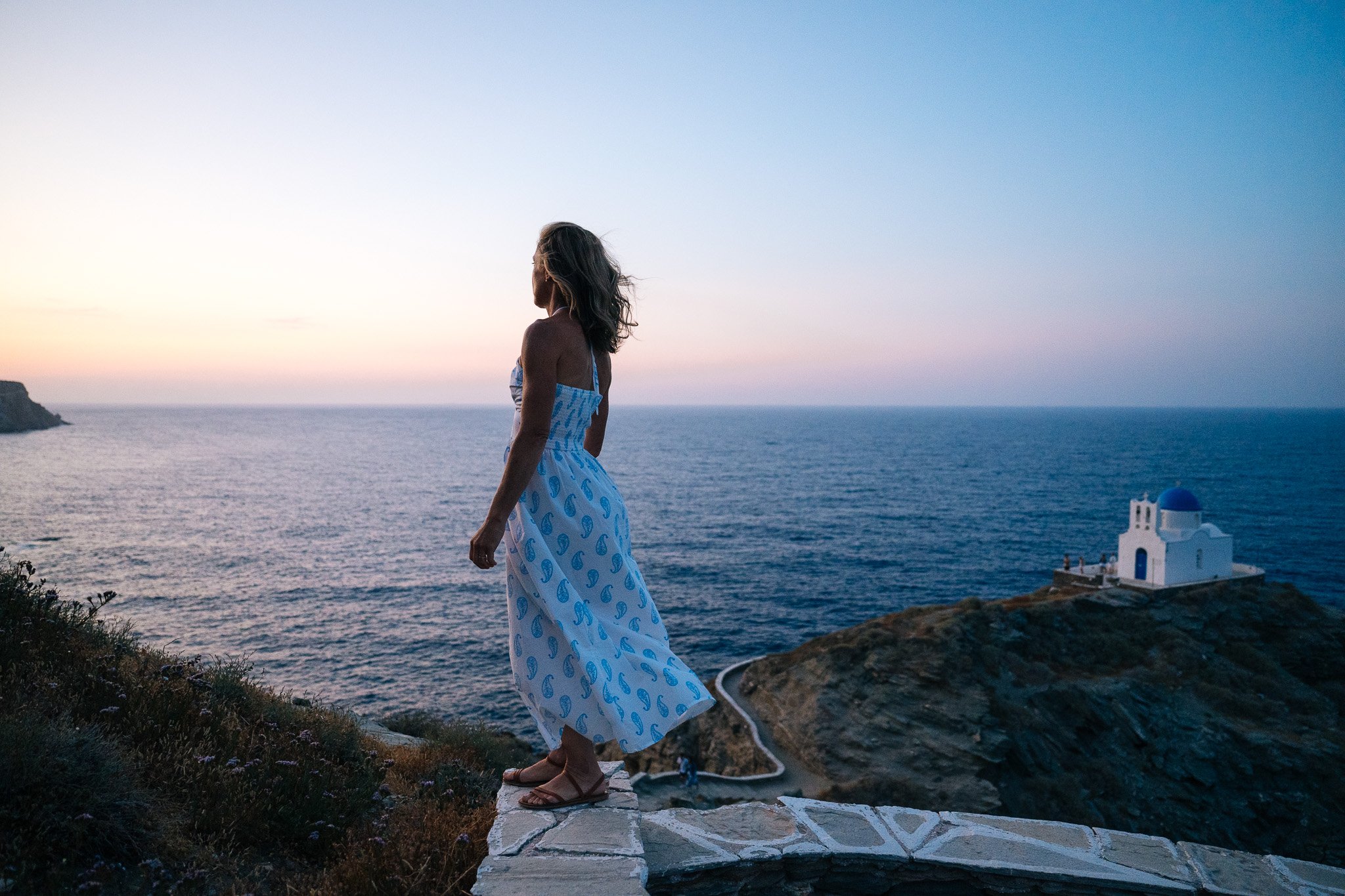
Place a person in place, not in front of it
If you only make one great image on your trip, make it this one. It’s the photo that summarizes everything; the one you might actually hang in your home.
Maybe it’s your partner at a café window in Lisbon, morning light spilling across tile walls.
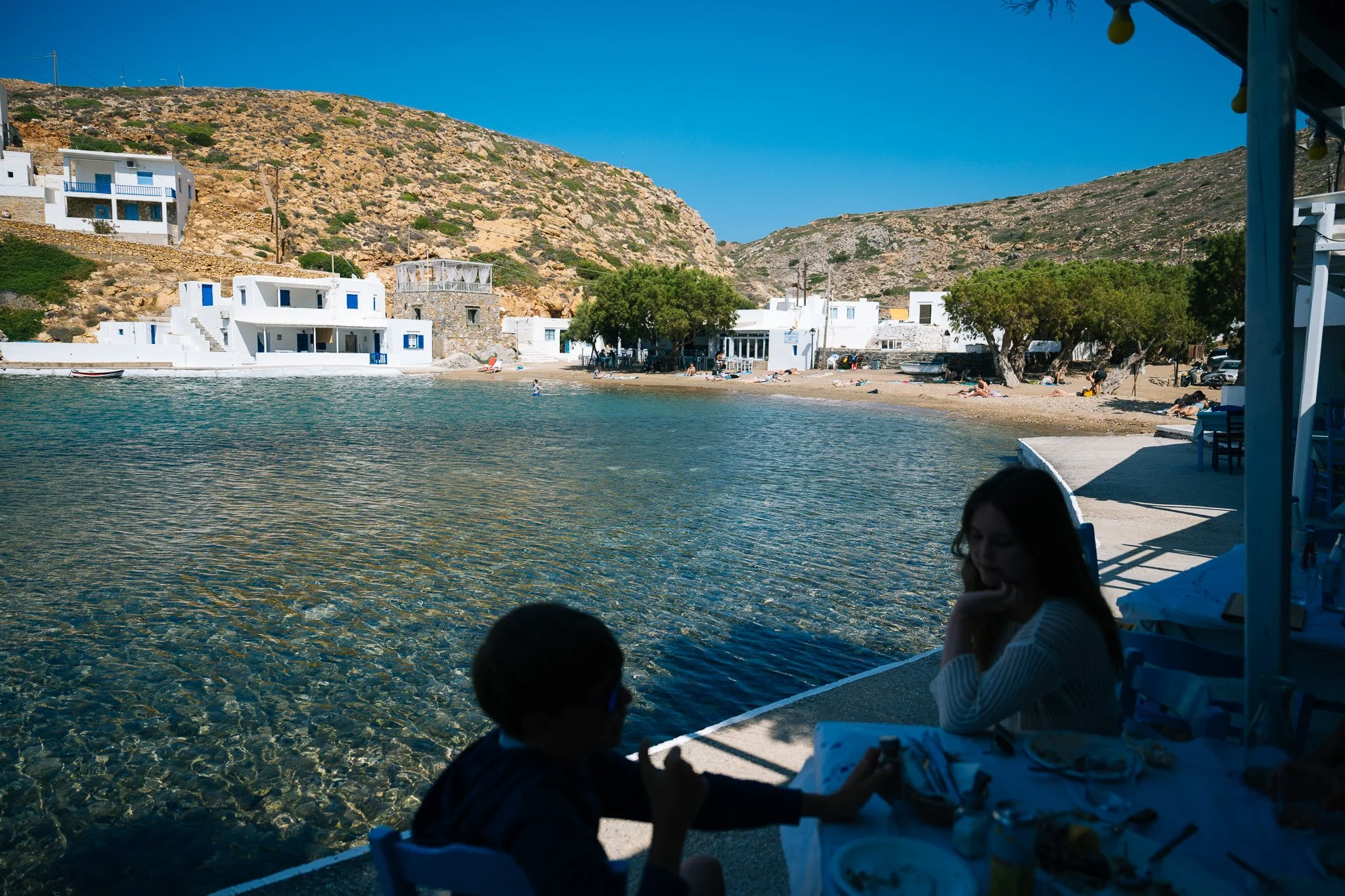
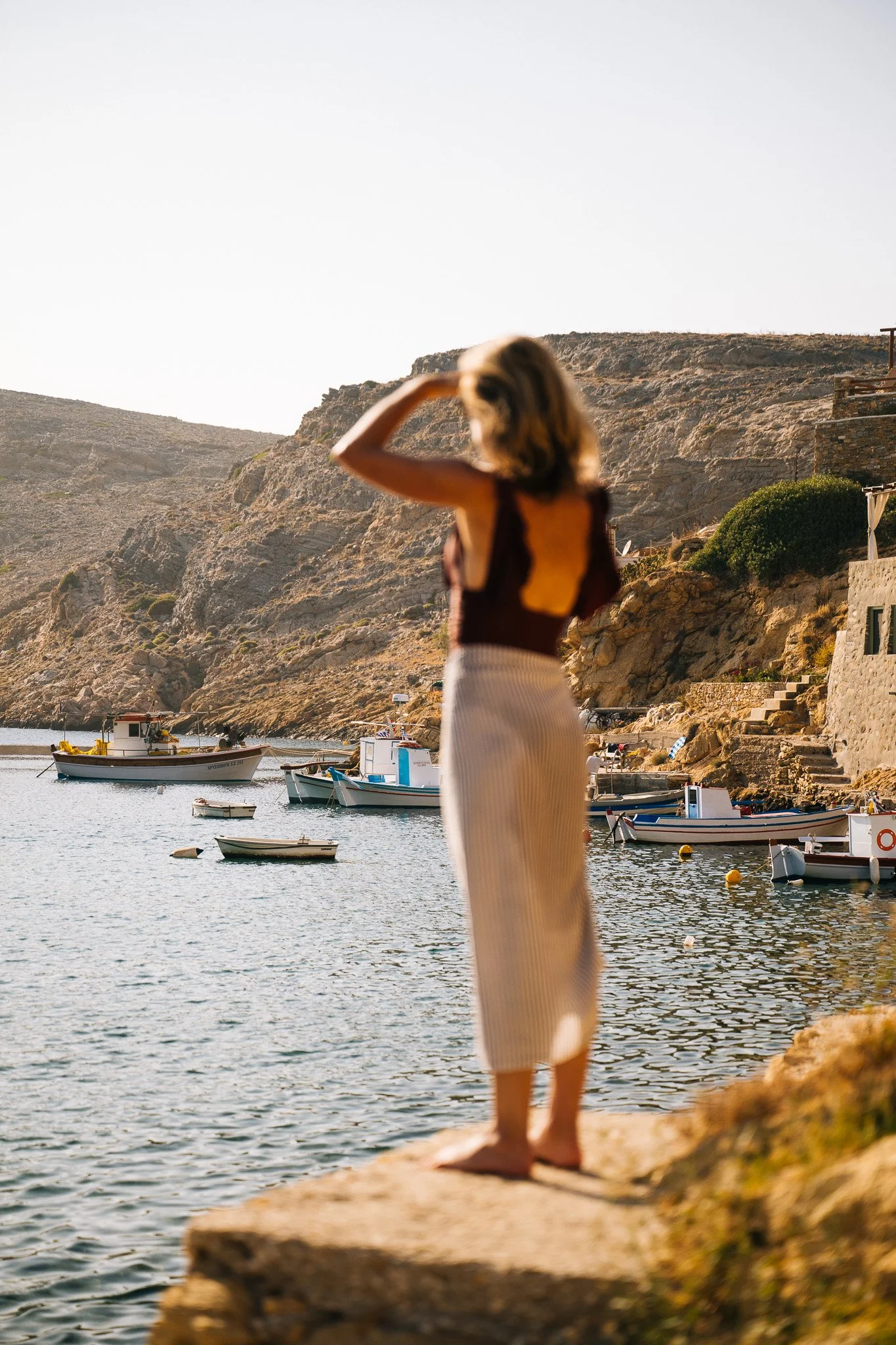
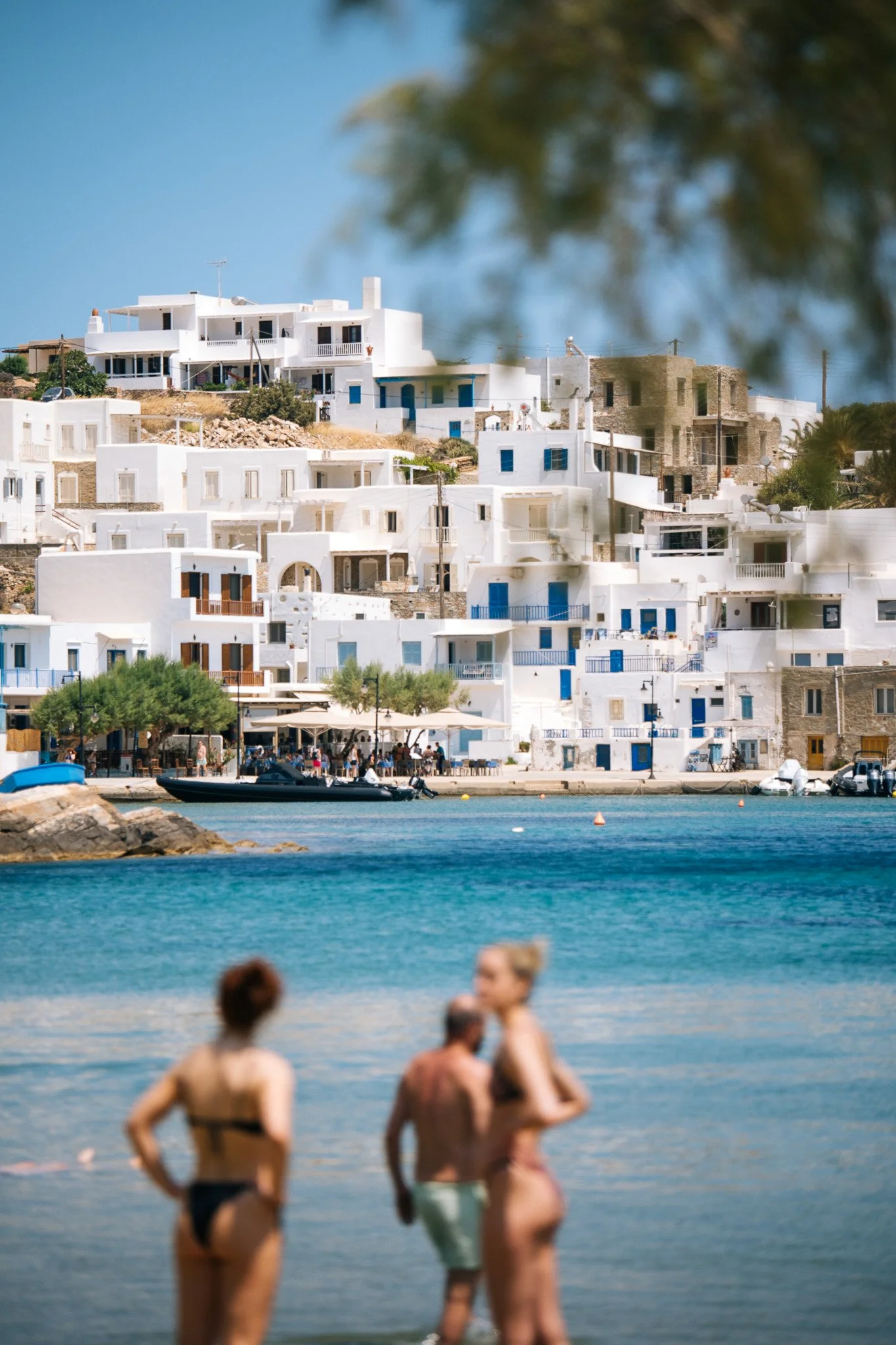
Or your kid standing in the surf at dusk, framed by cliffs in Sifnos.
That’s an environmental portrait: a person in place, not in front of it. Context and character sharing the same breath.
Pro Tip:
Keep your subject inside the scene, not centered on it.
Look for light first, then decide where your person belongs.
Use layers—windows, plants, reflections, other people—to add depth.
The trick is simple: take the photo after the moment you thought you wanted. That’s usually the one that matters.
The Anatomy of a Trip (In Photos)
Every good trip tells a story.
You don’t need hundreds of pictures, just the right mix:
Environmental portraits—your anchors.
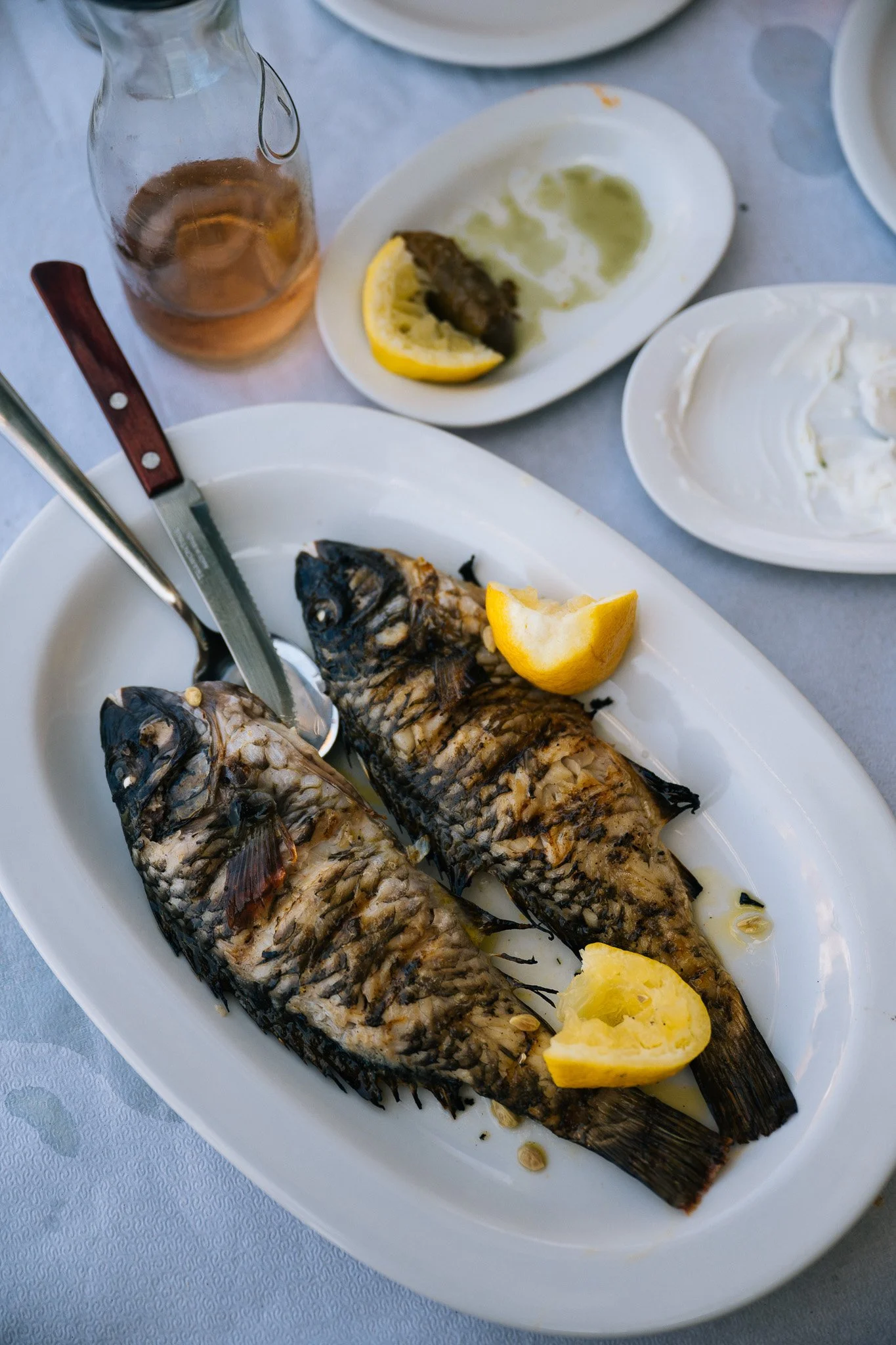
Details—the chipped mug, the cracked road, the meal that made the day (especially as a lay flat).
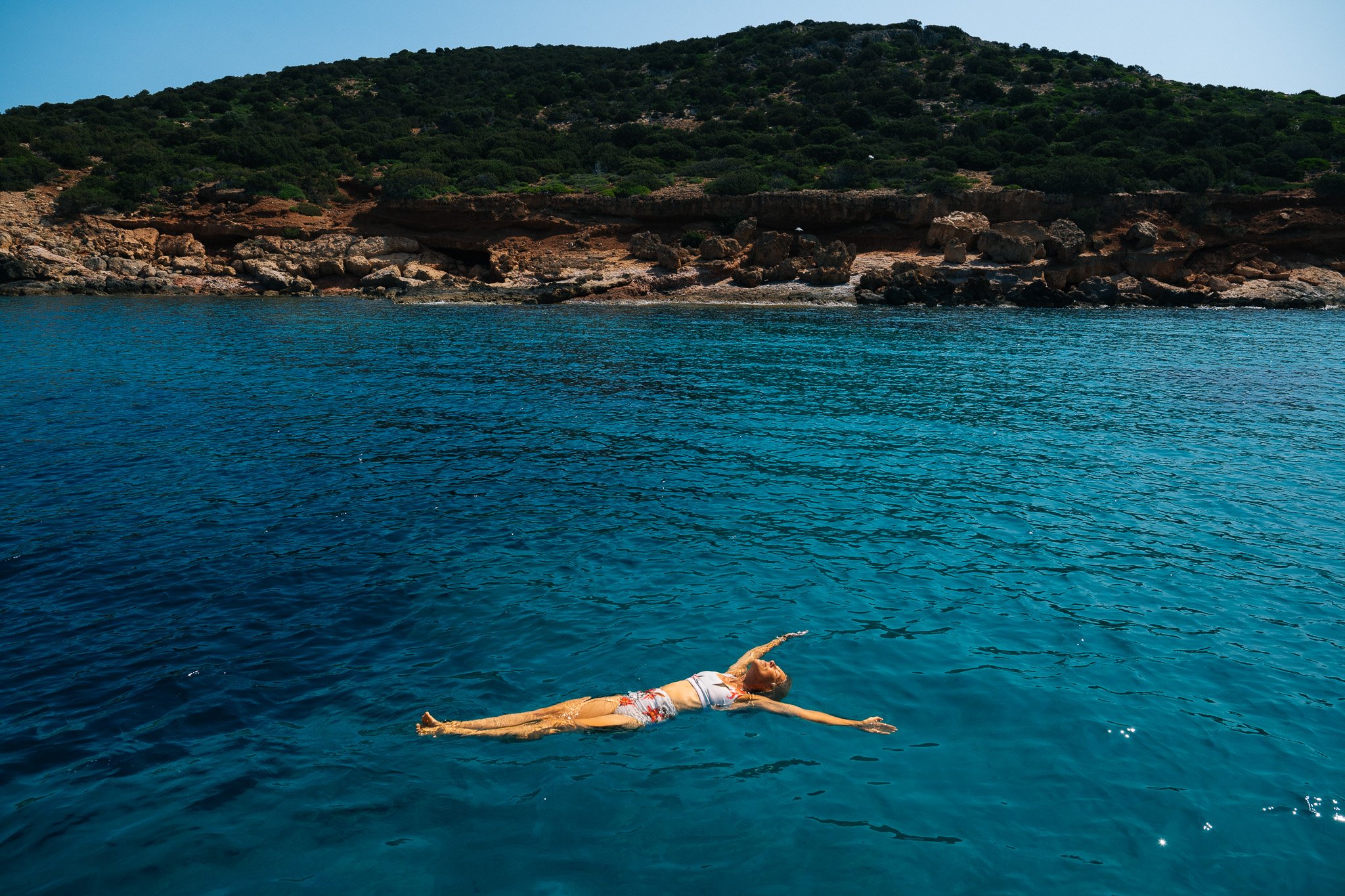
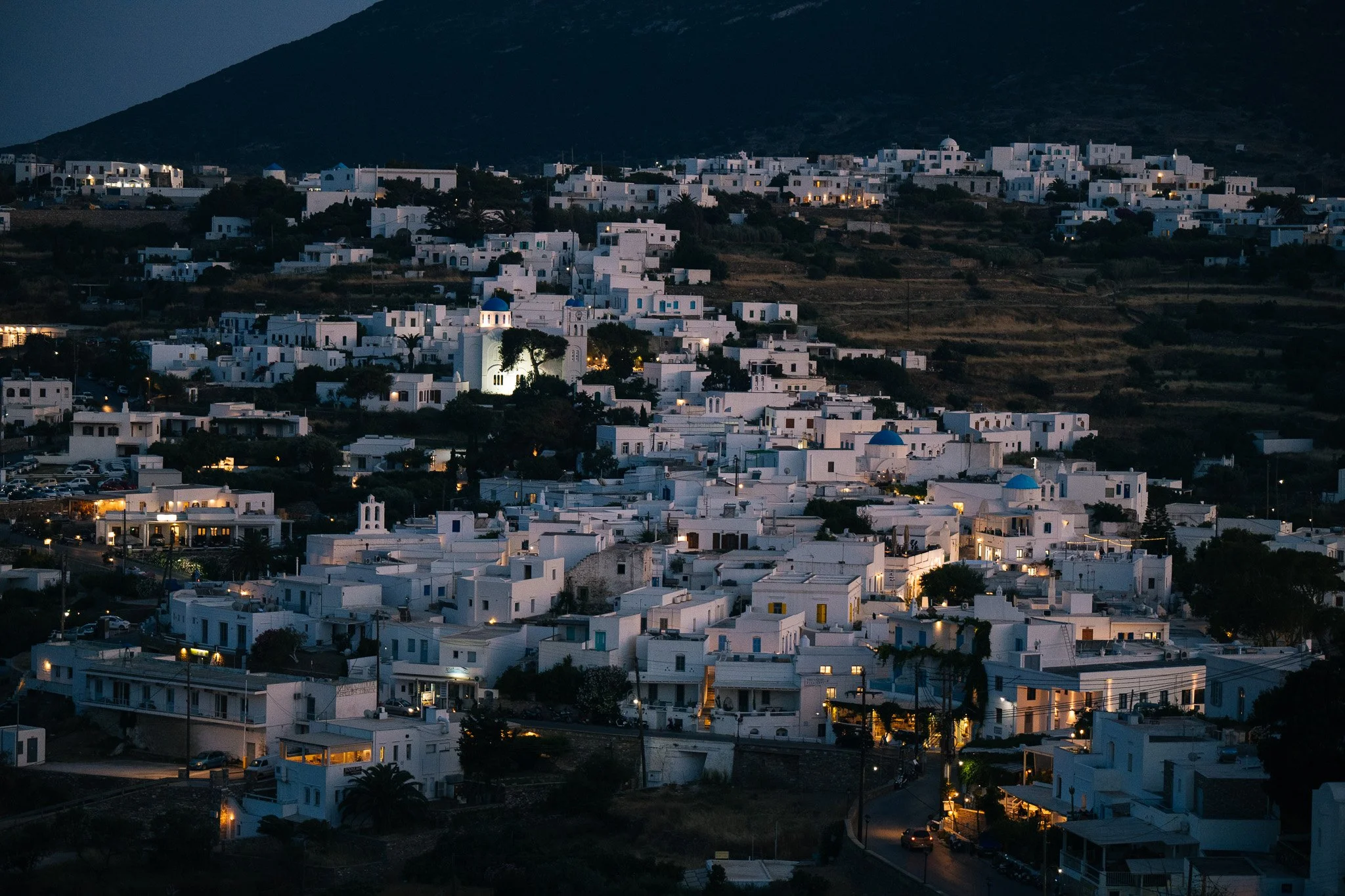
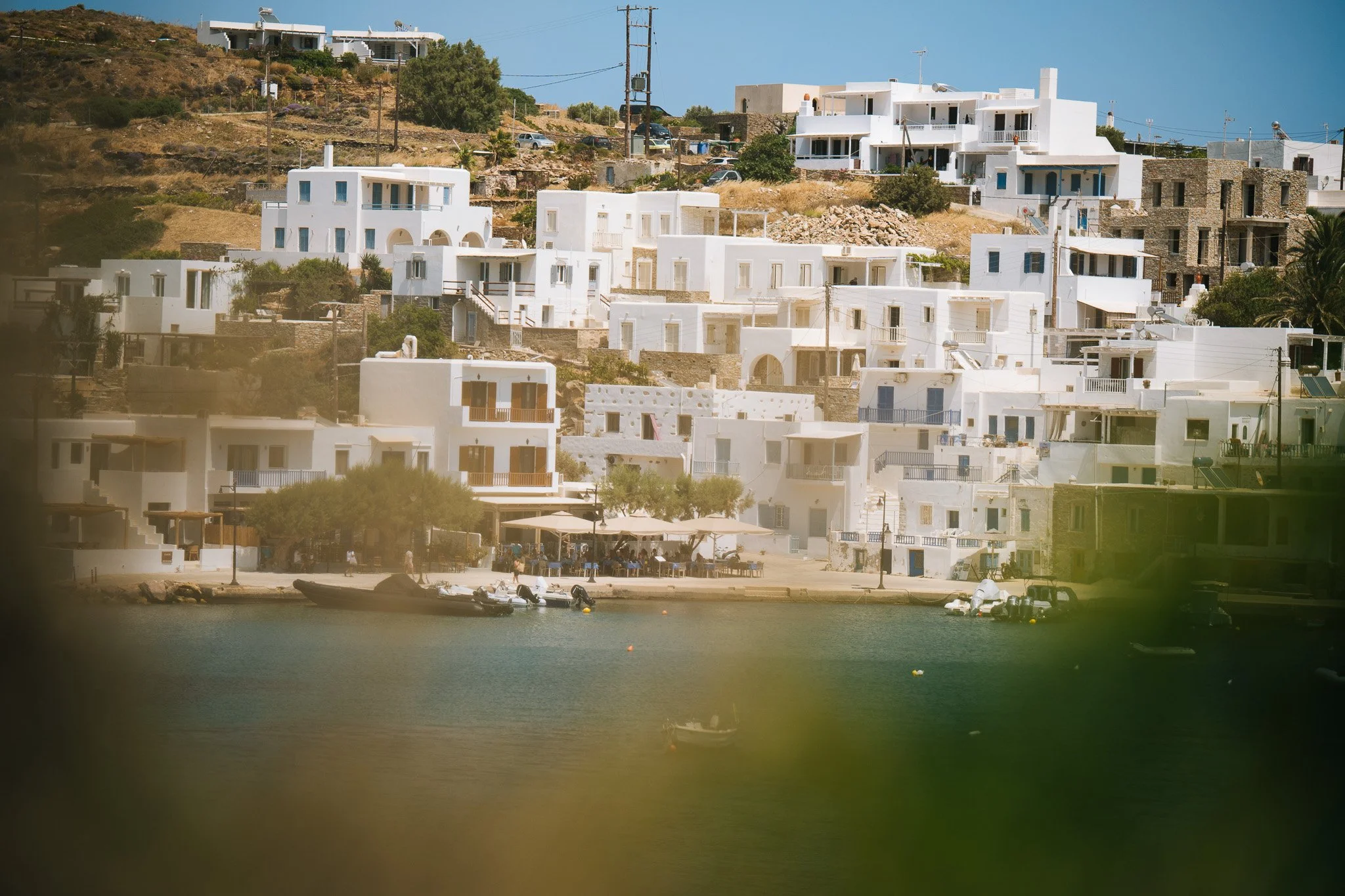
Scenes—wide, layered frames that set the tone and geography.
Think like an editor building a spread.
You’re not capturing proof; you’re building memory.
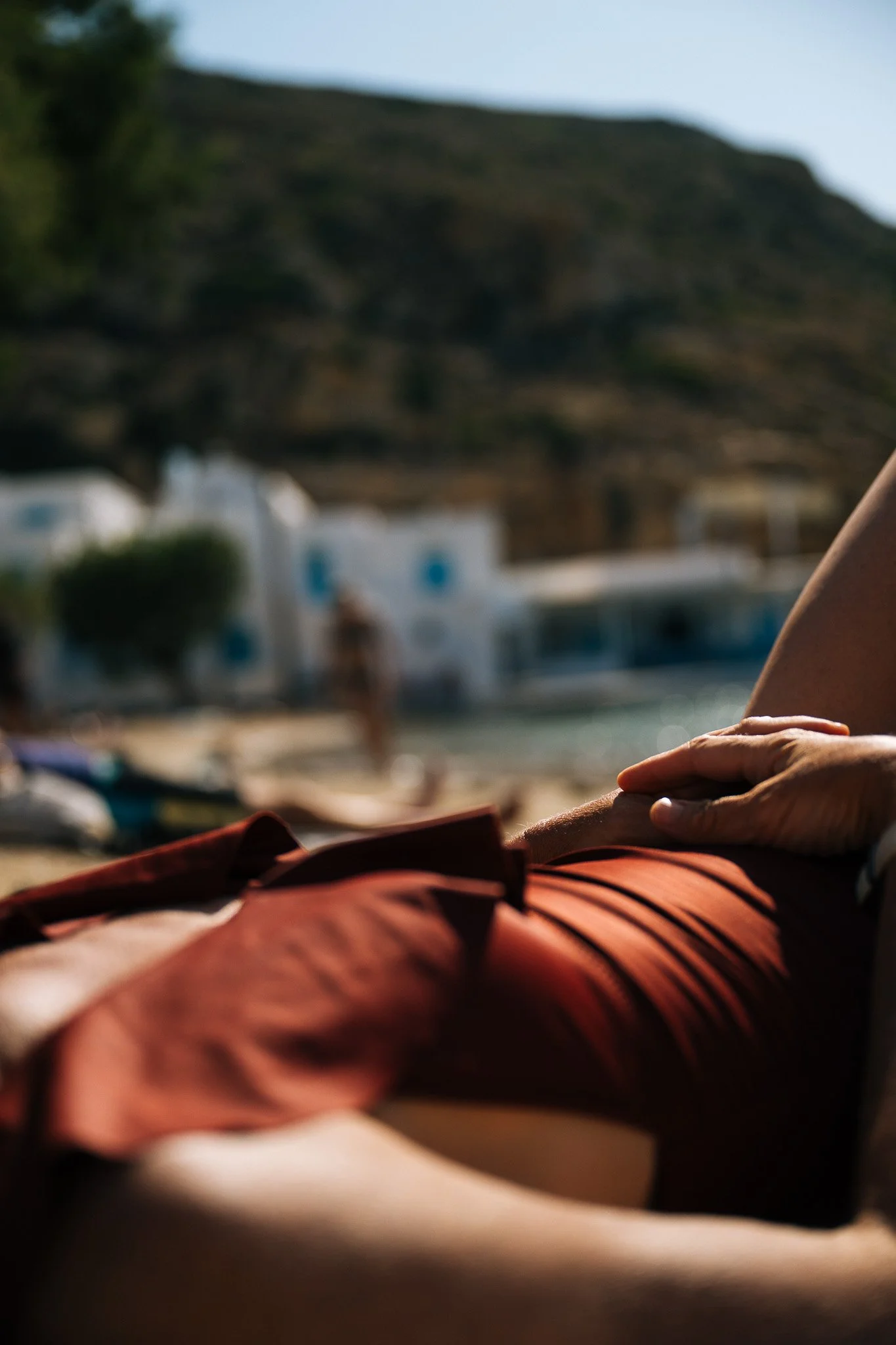
Details paint the picture. Think of them as the opposite of the environmental portrait.


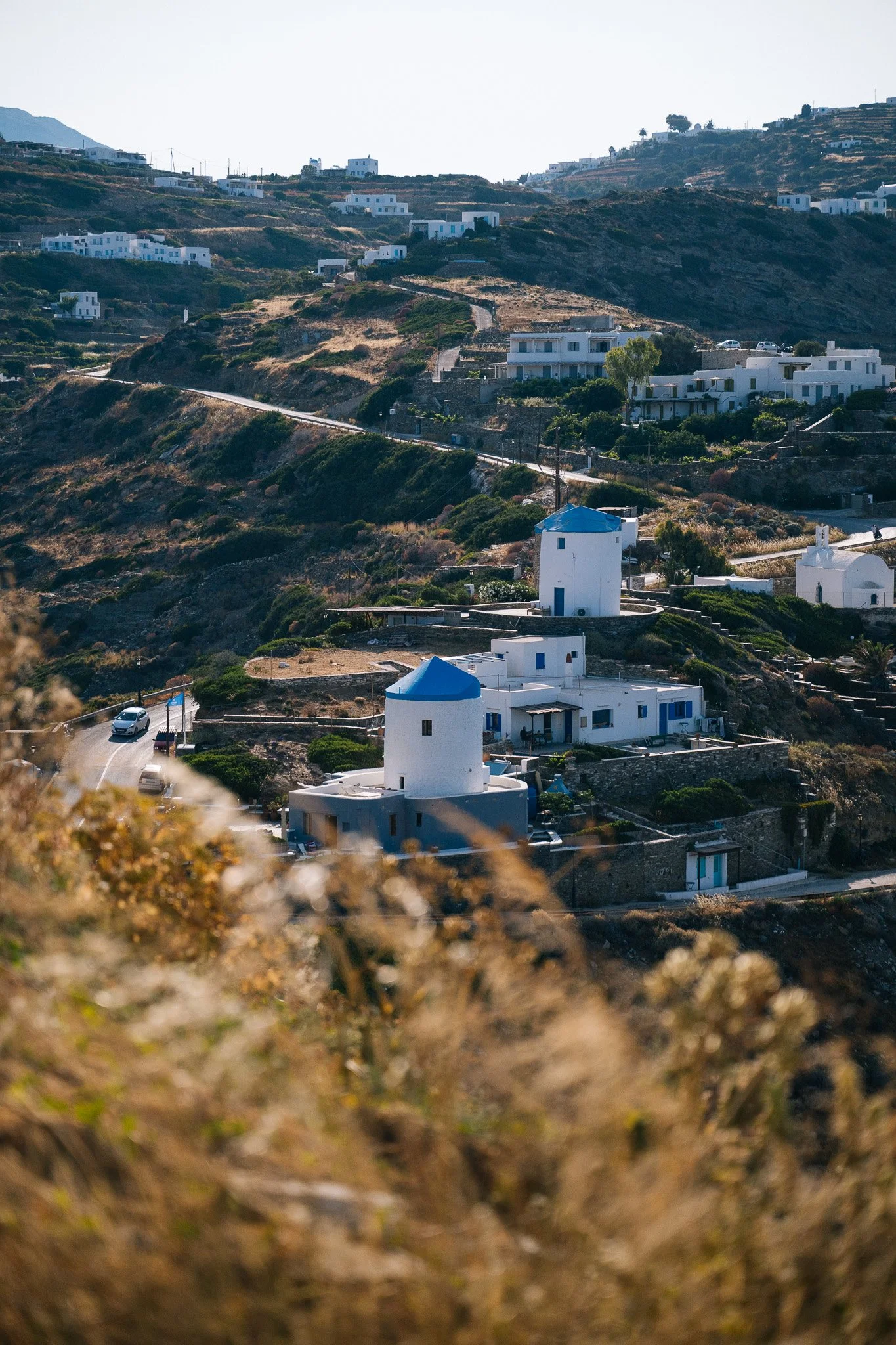
Classic scenes set the tone of the geography and place.
Light Is the Only Non-Negotiable (But Also a Playground)
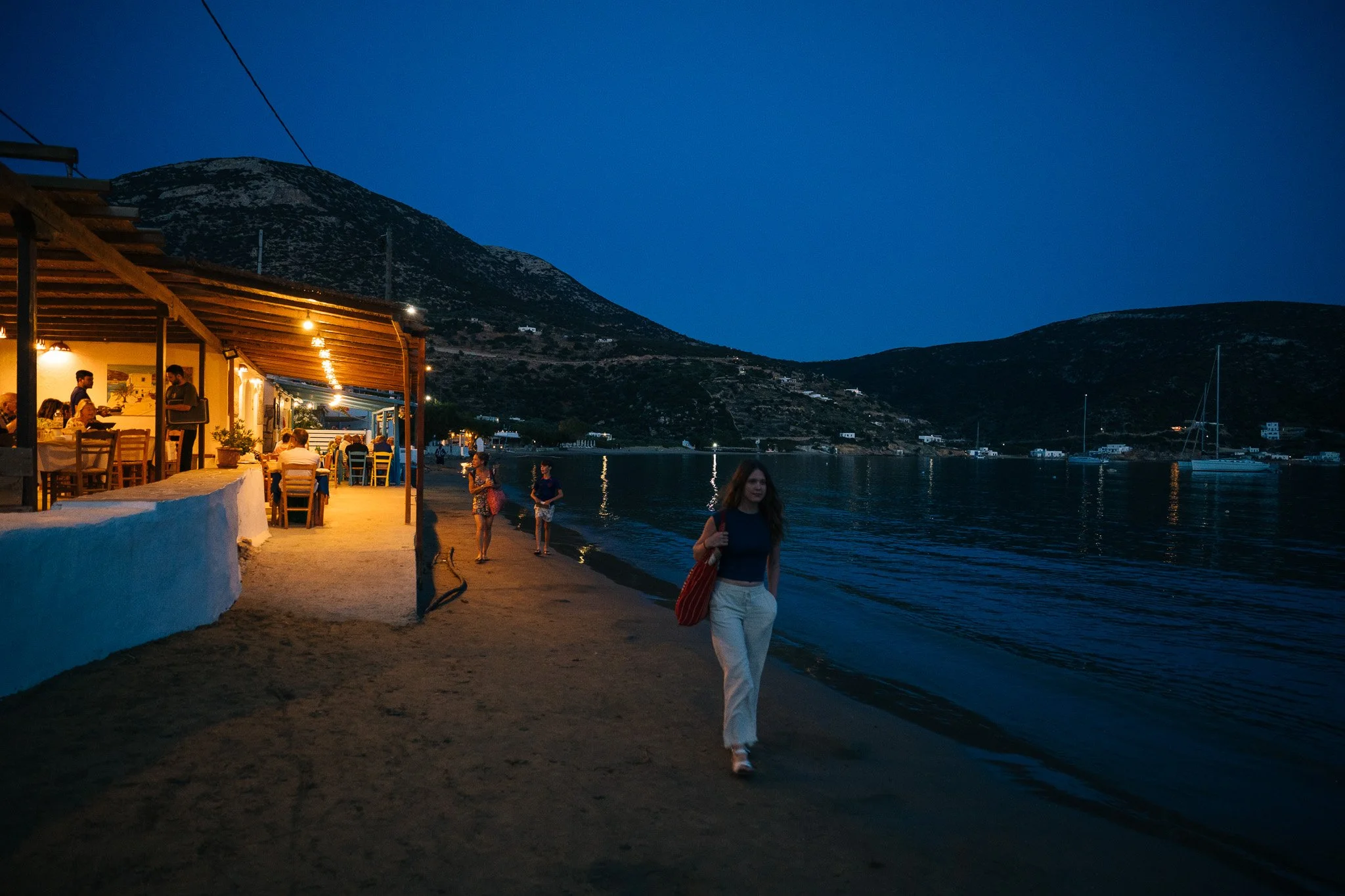
Golden hour is the obvious win, that soft window after sunrise or before sunset when light wraps instead of attacks. But don’t pack it in when the sun climbs high.
Harsh midday light gets a bad reputation, but when you shoot into it or use it for rim light, it can be cinematic. It carves shape, color, and grit.
This is where the 70–200mm lens earns its keep. It’s the savior of “bad” light. You can stand back, compress the background, and isolate your subject even at noon. It keeps you shooting through the middle of the day instead of hiding in cafés waiting for the sun to behave.
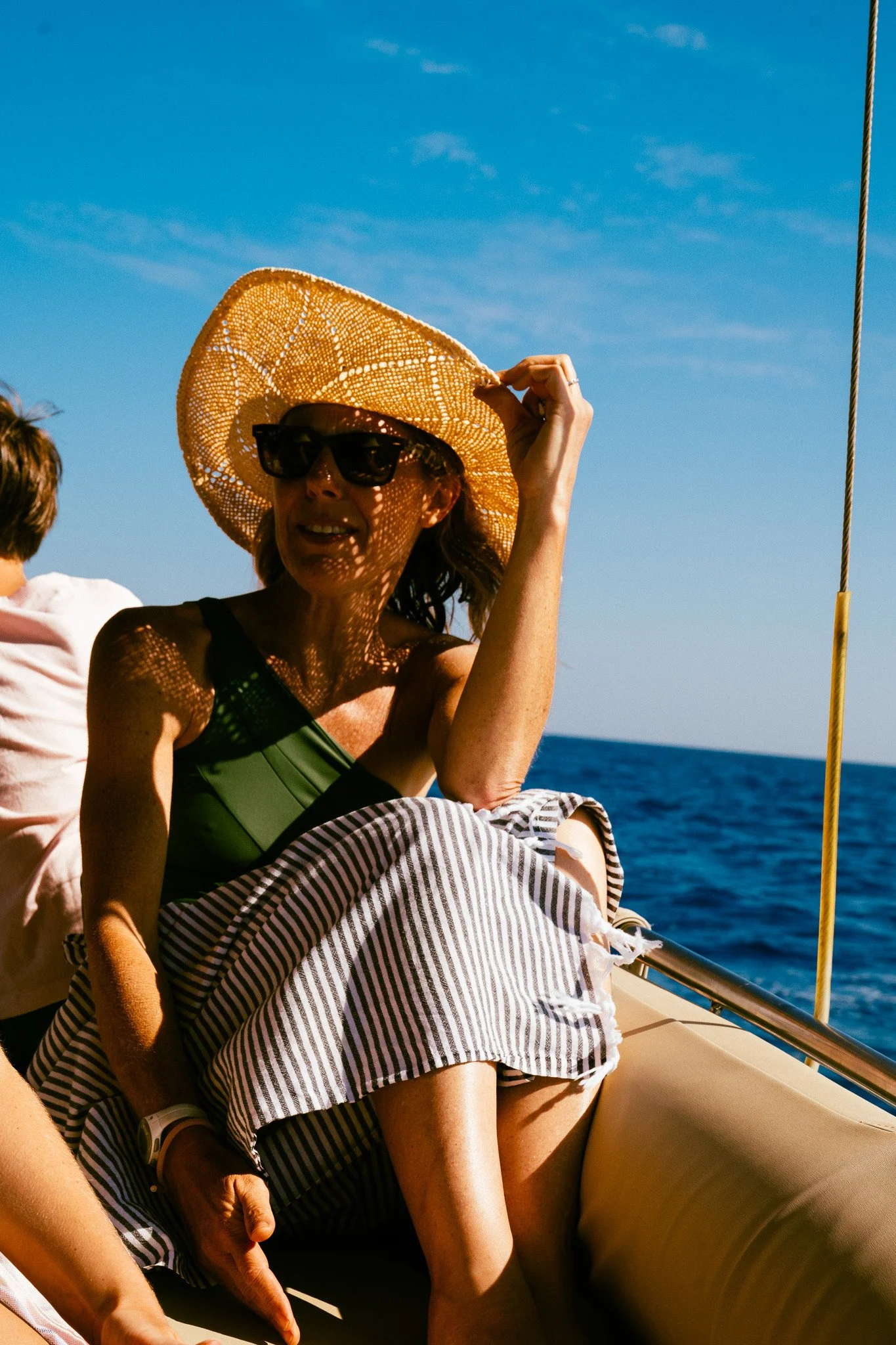
Harsh light with shadow can be your friend.
Gear Talk (Fine, Let’s Go There)
I hate talking about gear. But everyone asks.
The 70–200mm f/2.8 is my best friend for layered storytelling. But it’s also huge. In a medina or crowded market, it’s a billboard that screams outsider. You already have to watch your six; don’t add another three pounds of stress to your mind or shoulder.
The 24–70mm f/2.8 is the all-day comfort lens. But more often, I travel with something smaller, like a 35mm f/1.8 or close. It forces you to move, notice, and stay invisible.
Fly on the Wall
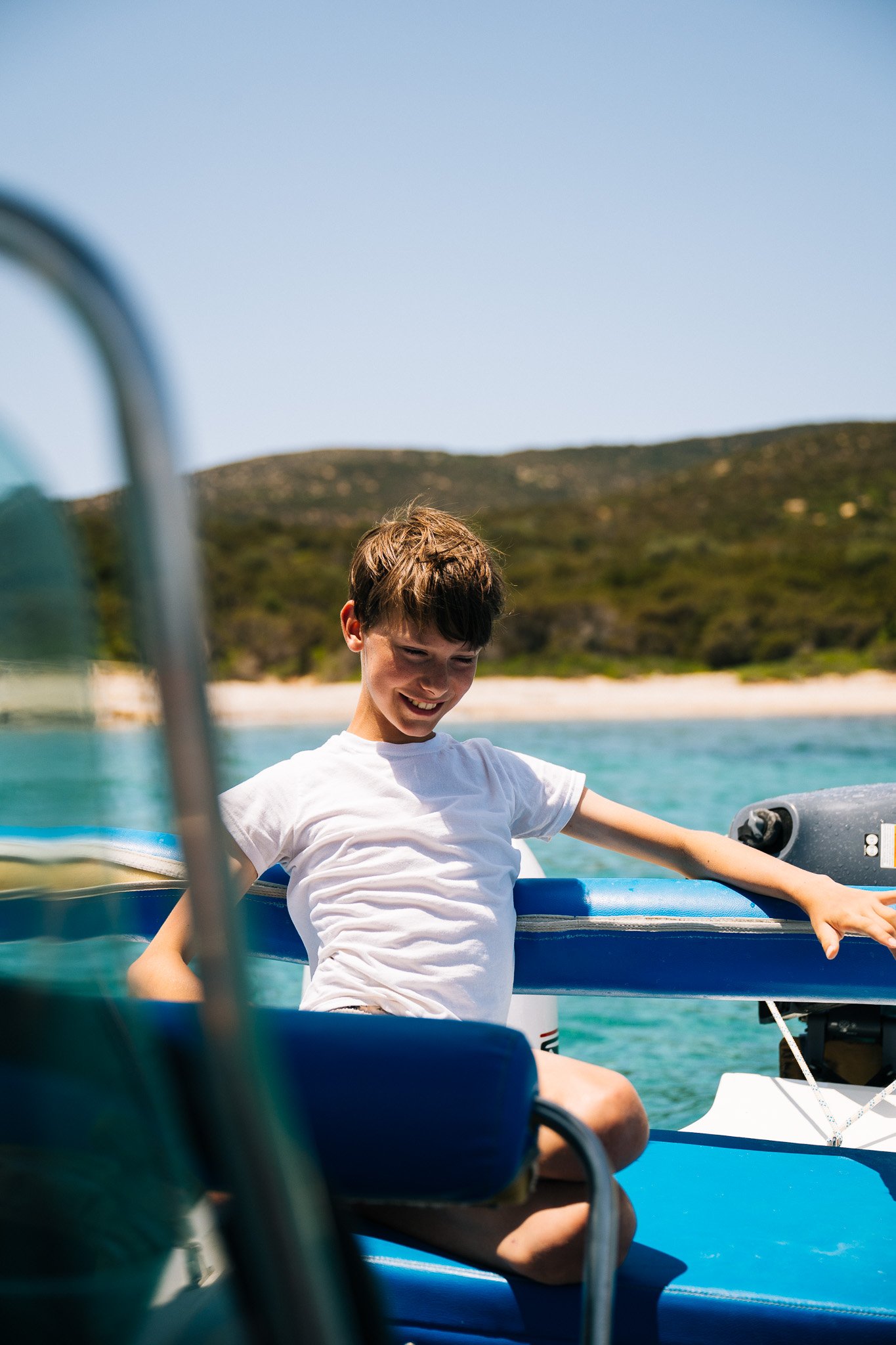
Take the posed photo. Get it out of your system. Then go quiet.
Observe the people you love as if you don’t know them. Anticipate instead of interrupt. Wait until no one’s paying attention.
You’re not documenting attendance; you’re catching life in motion.
Layer and Linger
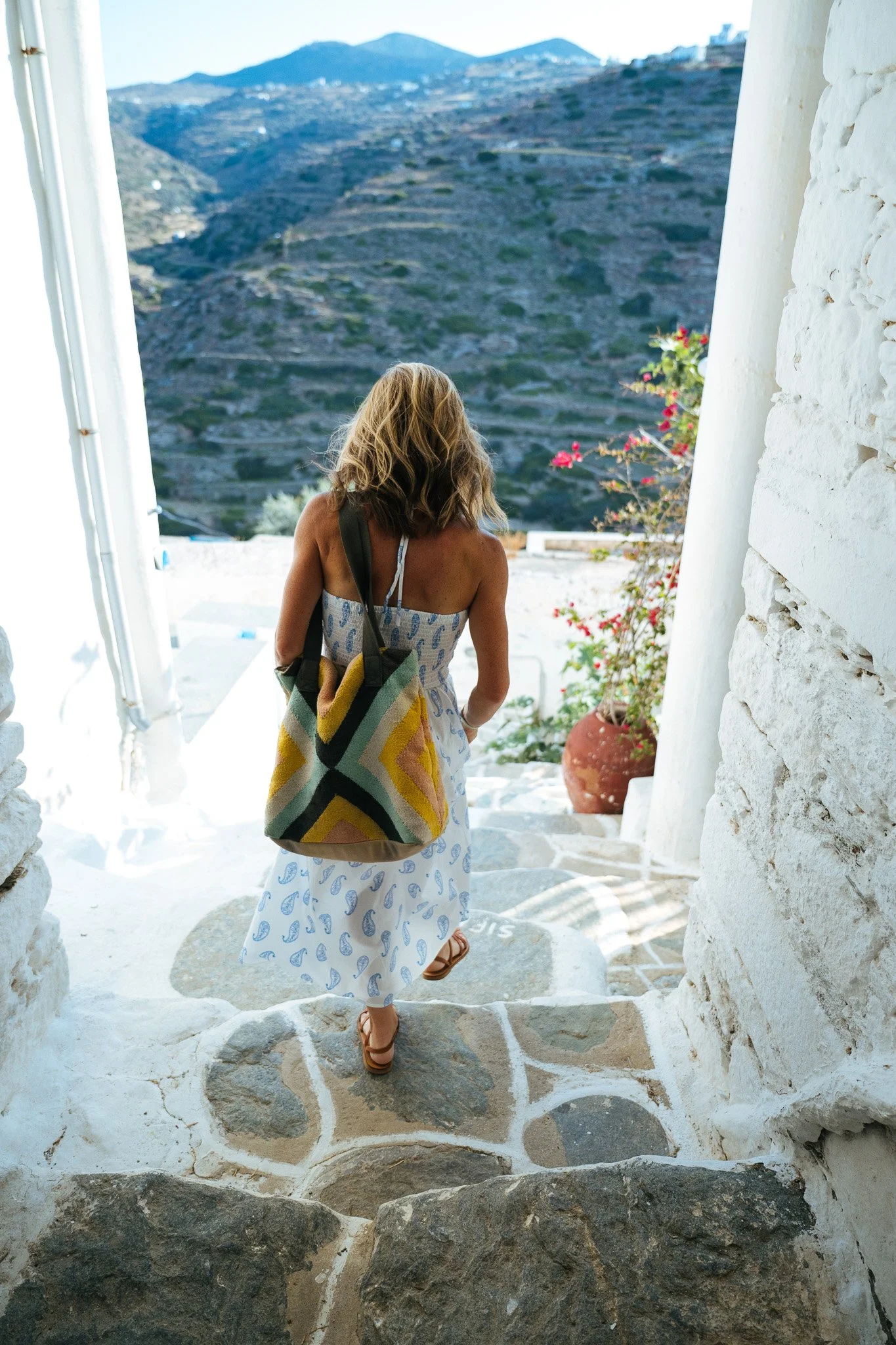
Good composition isn’t technical; it’s about paying attention.
Work with foreground, subject, and background. Blur something up close. Let a window frame your scene. Shoot through, not at.
Do it anywhere: breakfast tables, gas-station stops, ferry decks. When you layer, you invite the viewer in.
Why It Matters
Most travel photos are evidence. Better ones are stories.
They don’t just say we were here; they say this is who we were when we were here.
Years from now, your family won’t remember the itinerary. But they’ll remember how it felt. That’s the point, and I believe that’s what we are trying to capture.
A Shameless but Sincere Plug
If this approach resonates—slowing down, shooting with intention, learning to see like an editor—I’ve built a mentorship program that might fit.
After twenty years as a working photojournalist and travel photographer—from conflict zones to remote Baja beaches—I now spend part of my time teaching photography at the high school level as a Career & Technical Educator in California. It’s reminded me how powerful honest, practical, real-world feedback can be.
My mentorships are for photographers who already have a body of work they care about and want to refine, whether that means building a portfolio, pitching an editor, or figuring out how to shoot meaningfully while on the move.
For most of my career, mentorship was something you stumbled into—rare, exclusive, reserved for those who knew the right people. I want to break that.
If your work is honest and hungry, I’ll meet you there.
You can learn more or sign up directly through my mentorship page.
