

Some Places Deserve to Wait
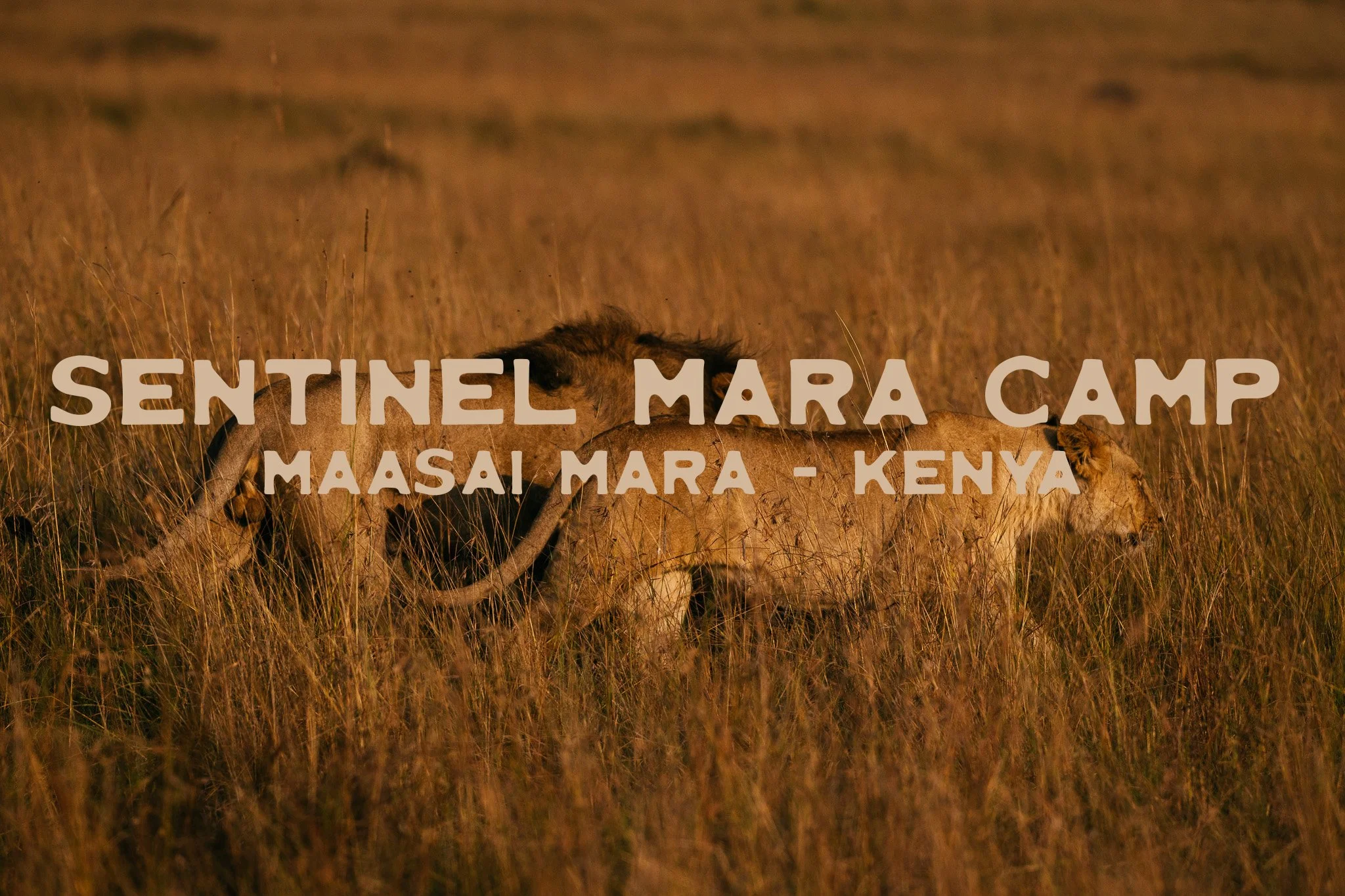
I first traveled to Kenya in 2005.
Over the next two decades I kept finding my way back. I covered the country's post-election violence, photographed the hidden world of East Africa's illicit chang'aa brewers, and spent weeks documenting life inside Dandora, one of the largest dumpsites on Earth. Assignments eventually carried me overland into South Sudan and onward through Tanzania, Somalia, the Democratic Republic of the Congo, the Central African Republic, and beyond.
Kenya slowly stopped feeling like somewhere I traveled. It became somewhere I returned.
And yet somehow, I never made it to the Maasai Mara.
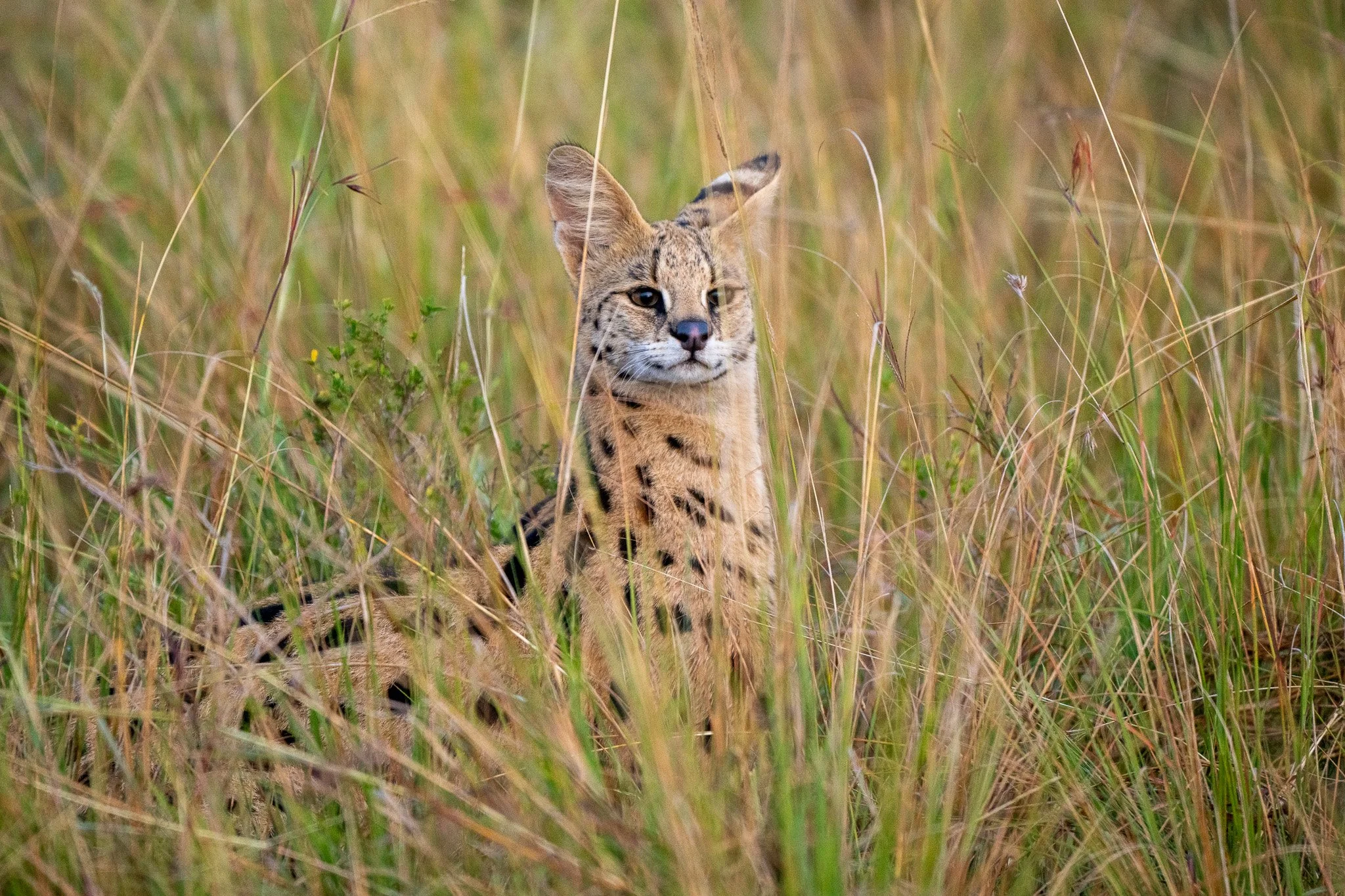
The irony isn't lost on me. I've camped beside hippos in Tanzania. Once, in the middle of the night in Sudan, I nearly stumbled into a pair of hyenas while trying to find a place to relieve myself. Wildlife was always there, woven into the background. But it was never the reason I came.
Friends would return from safari eager to tell me about the Mara. The conversations usually sounded the same.
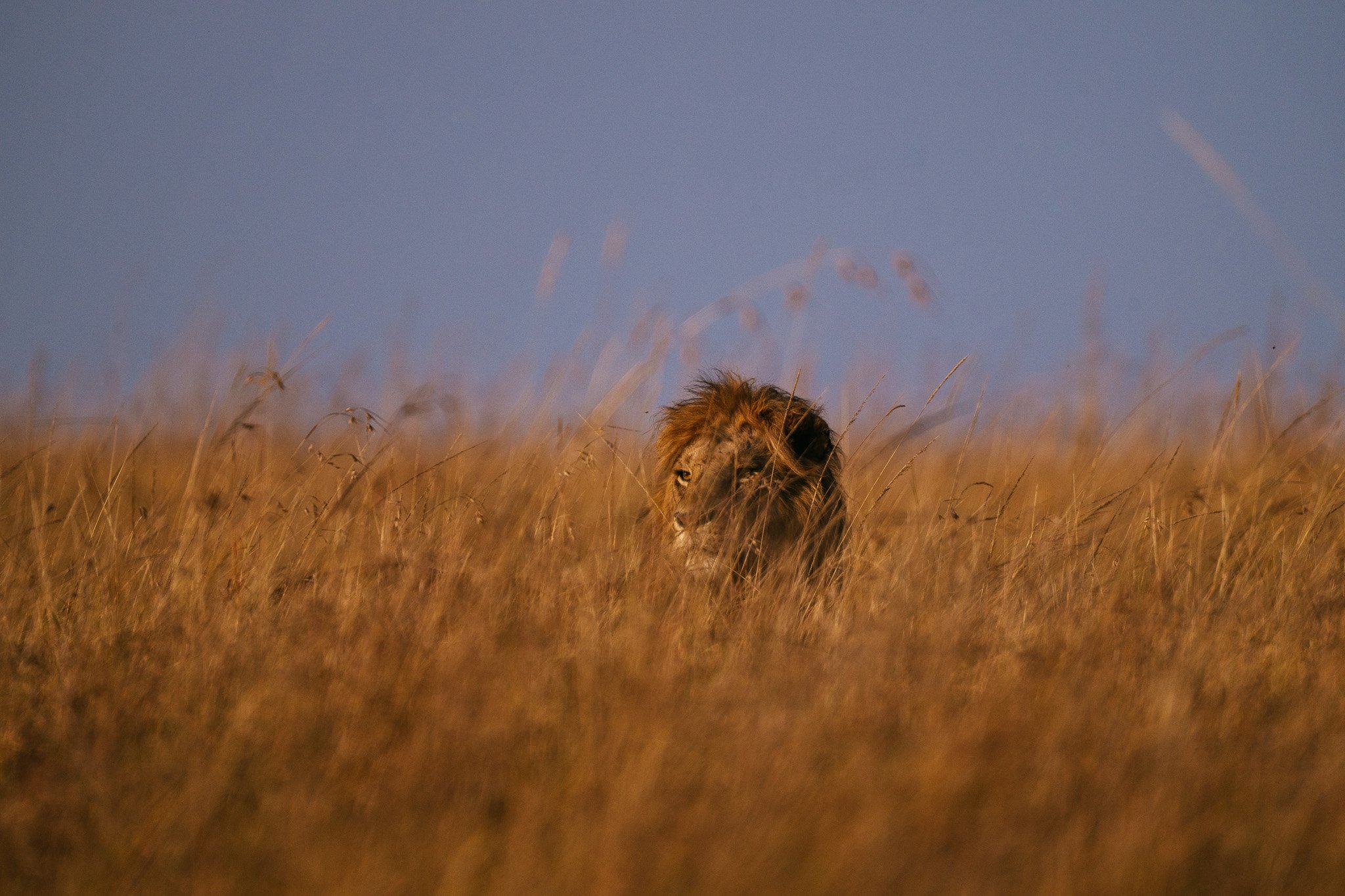
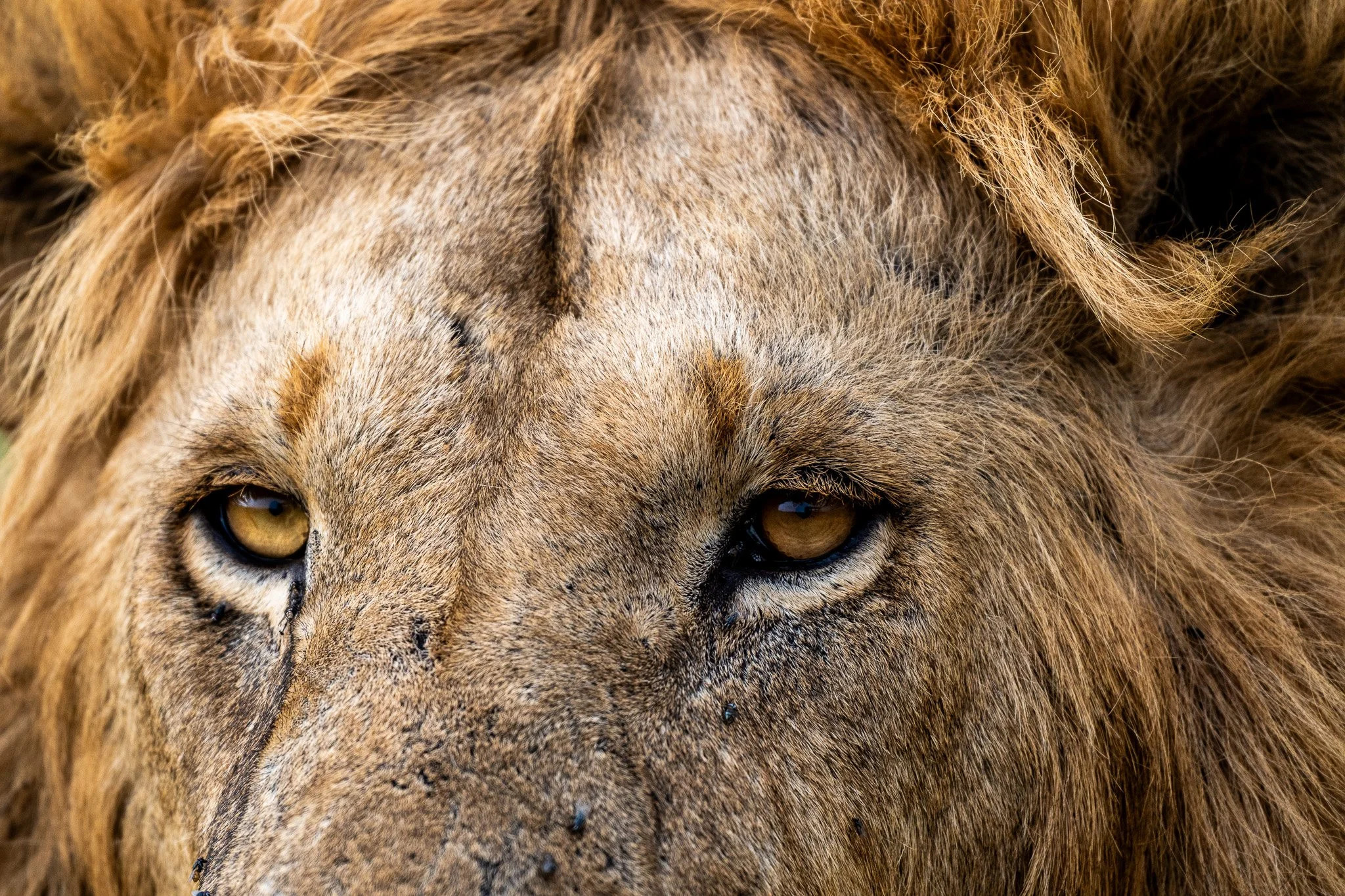
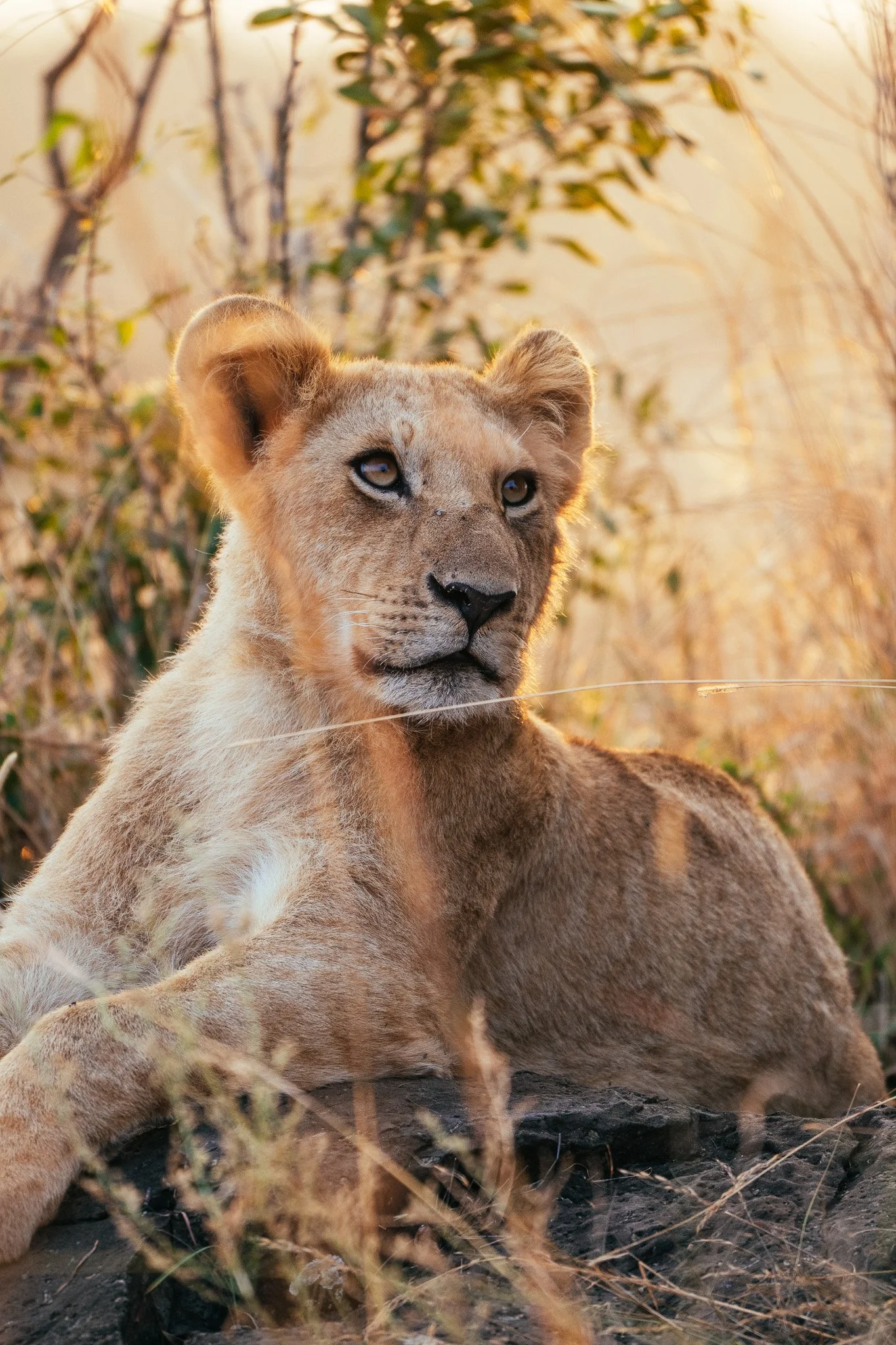
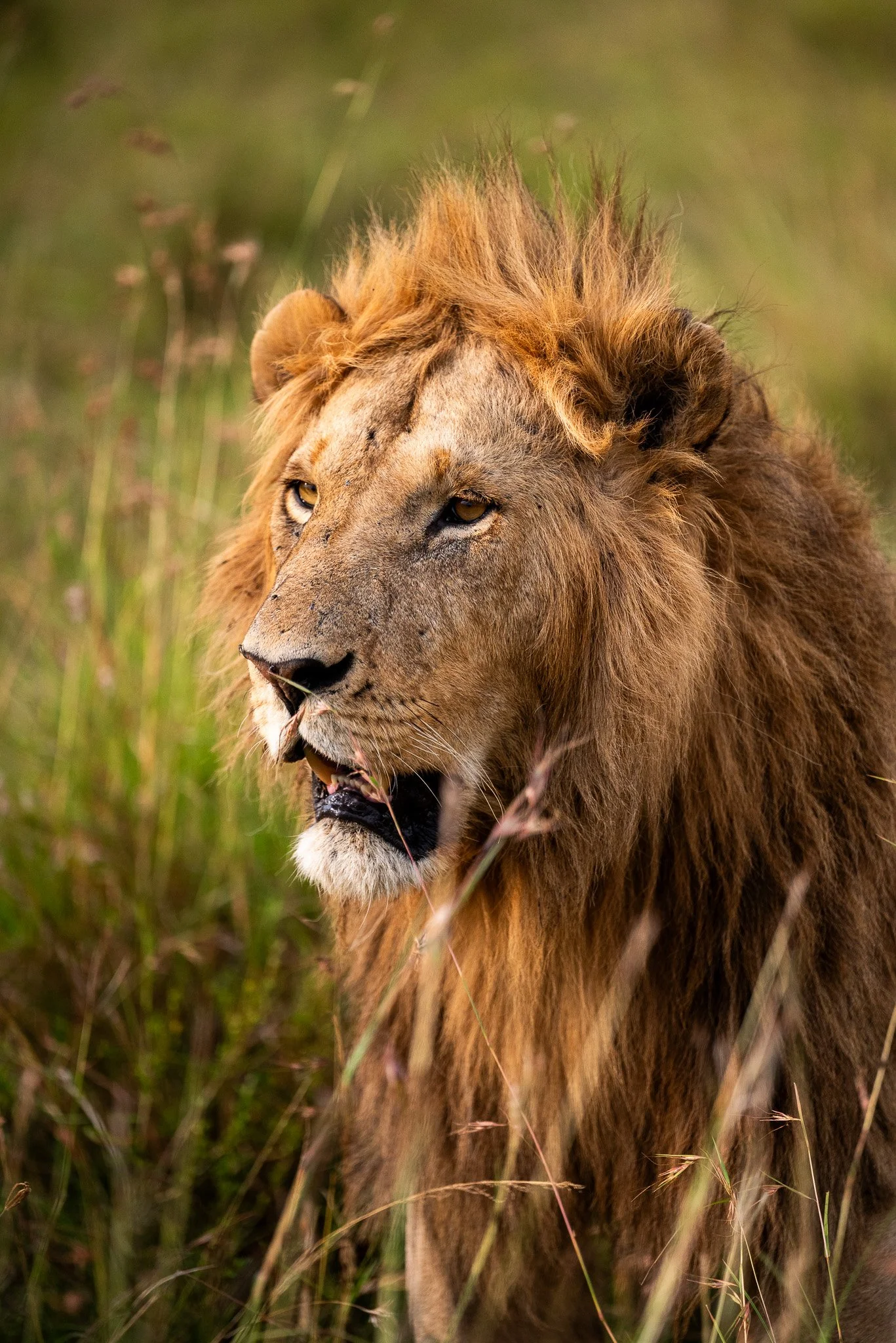
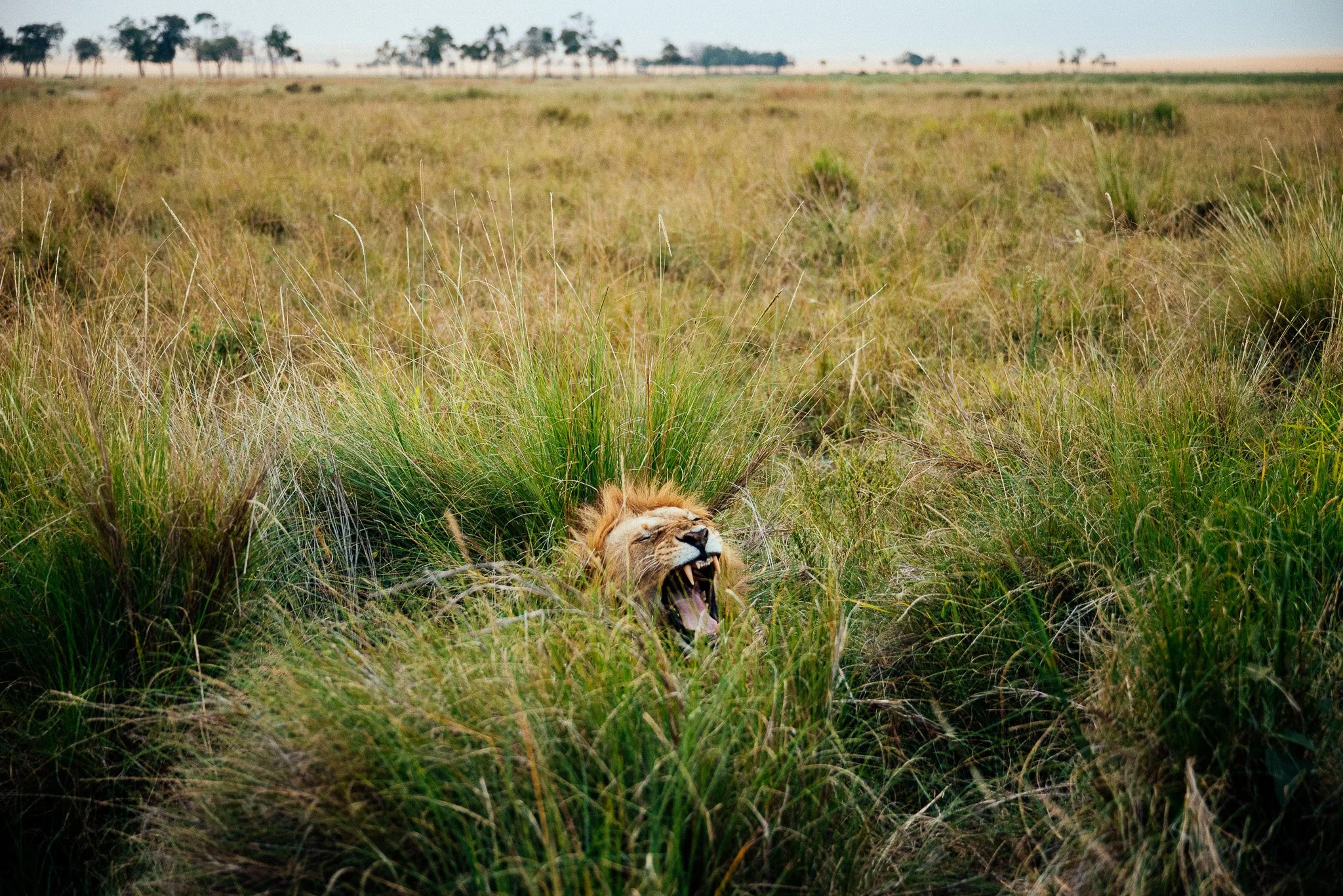
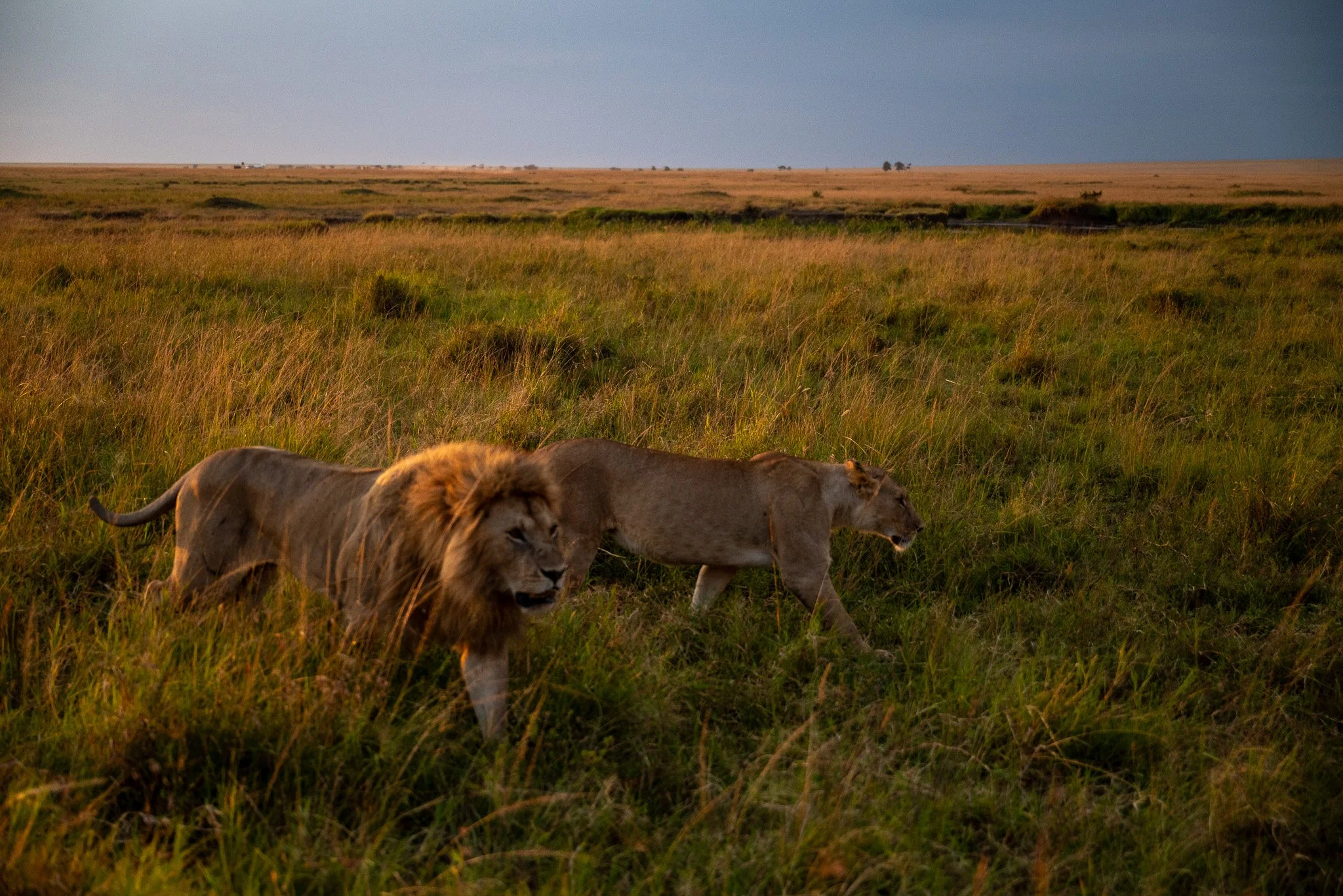
Lions.
Leopards.
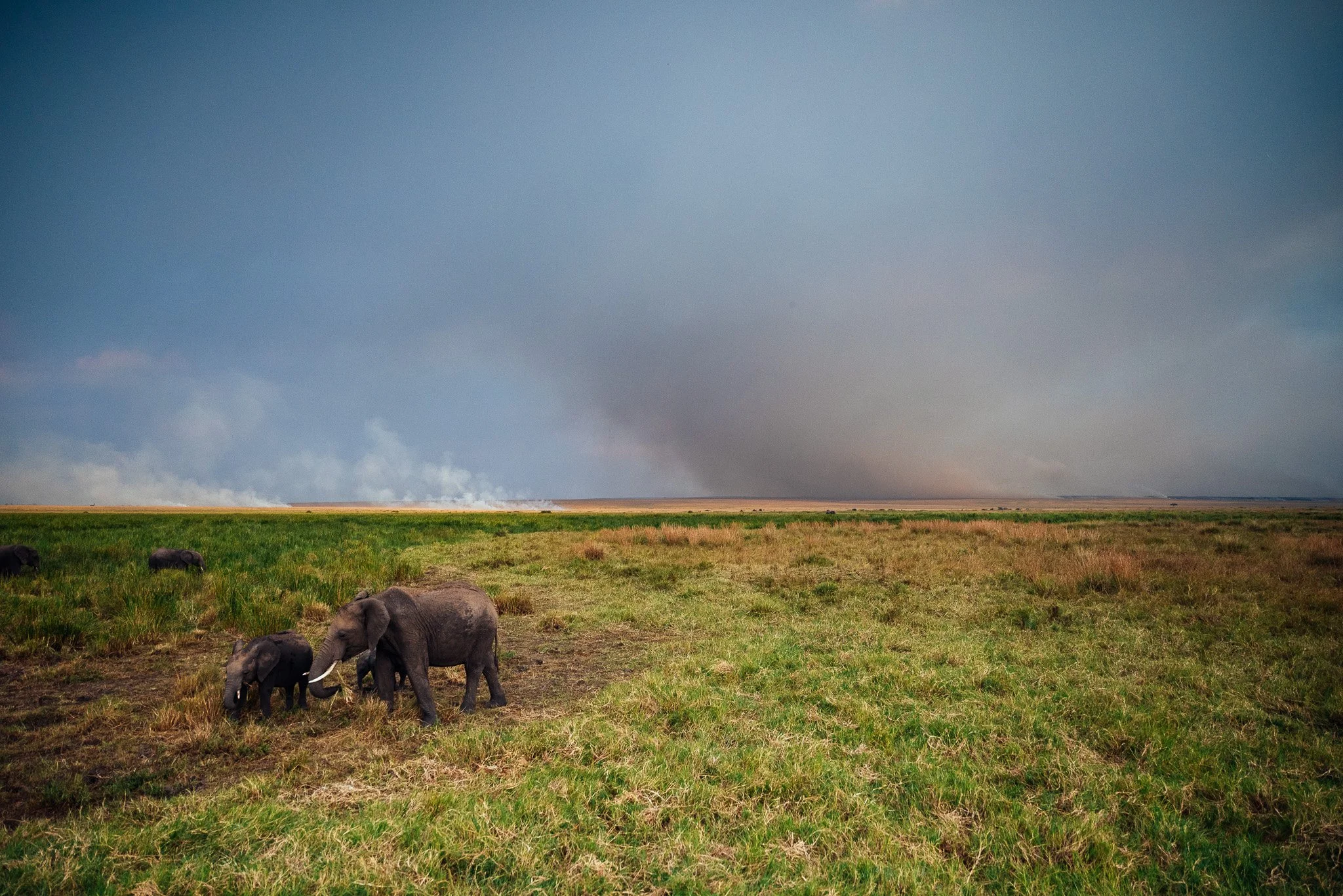
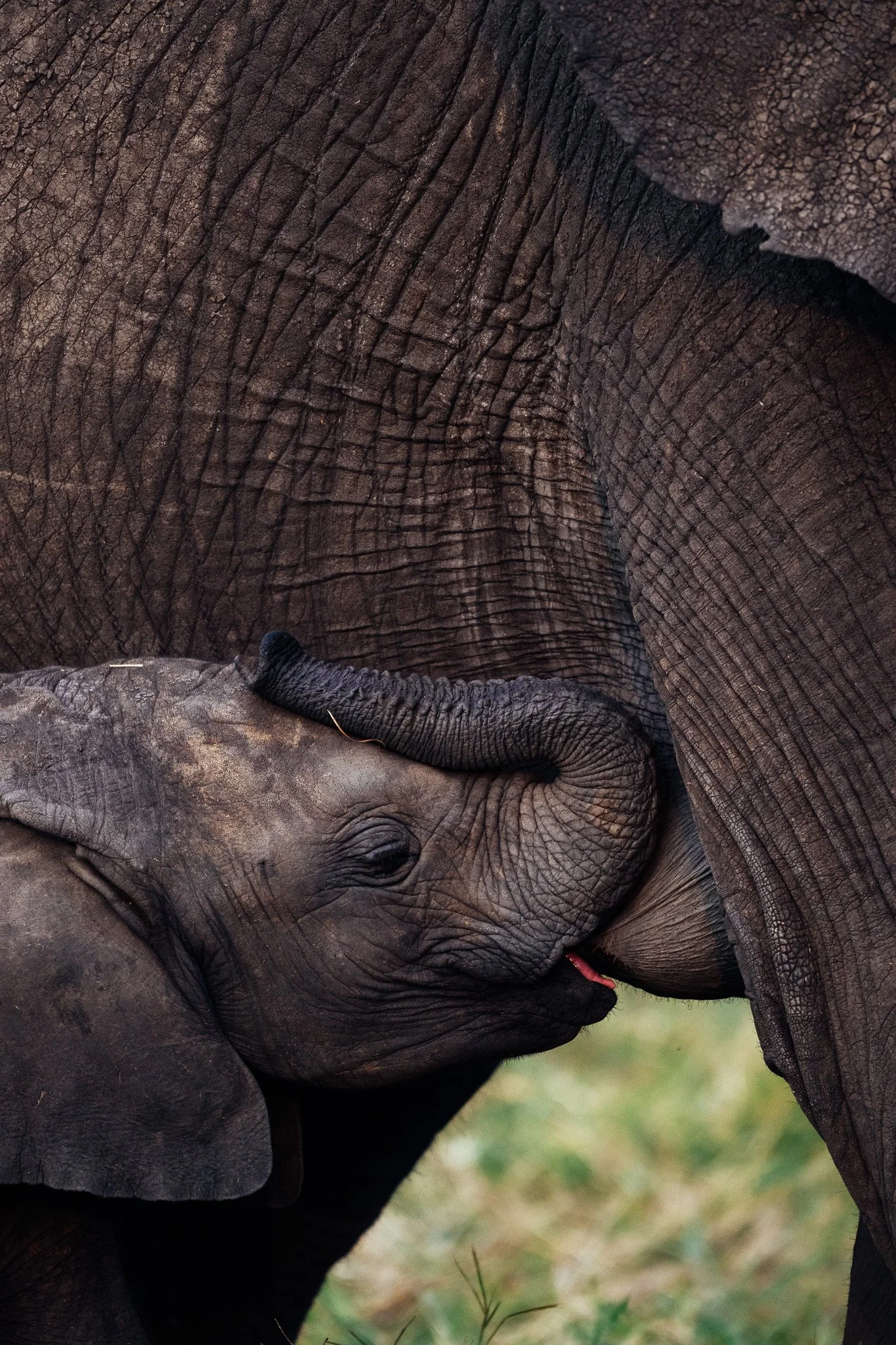
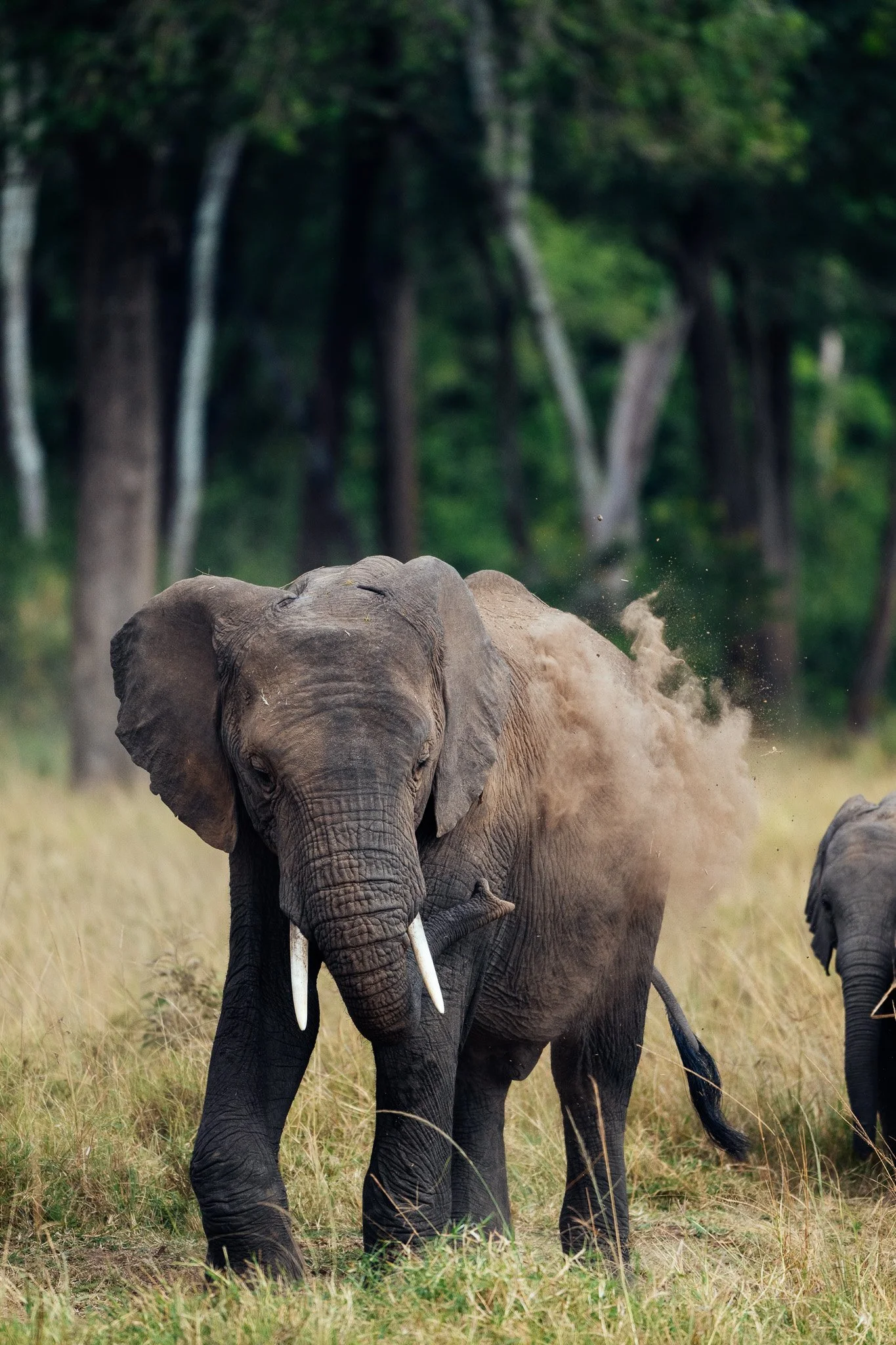
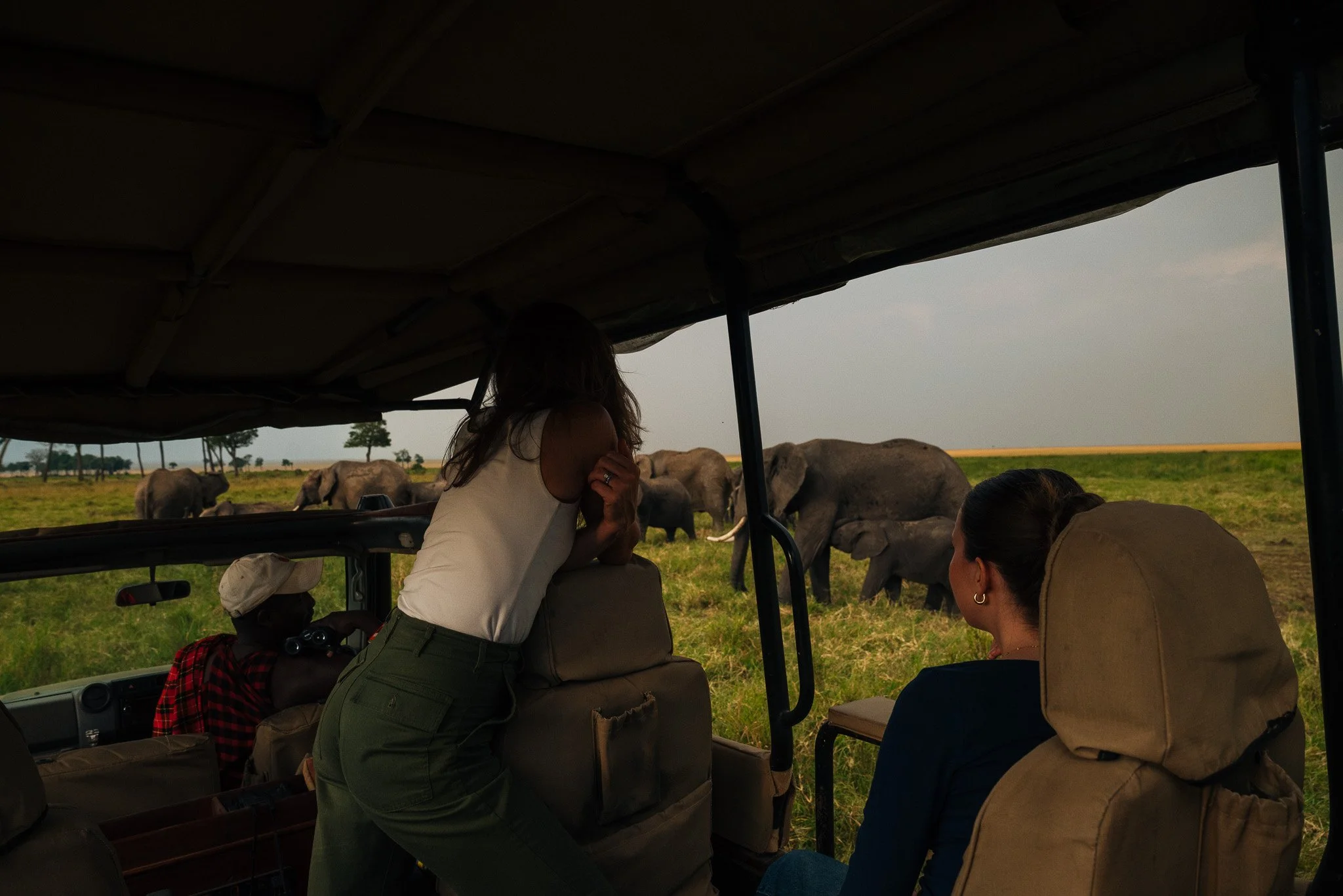
Elephants.
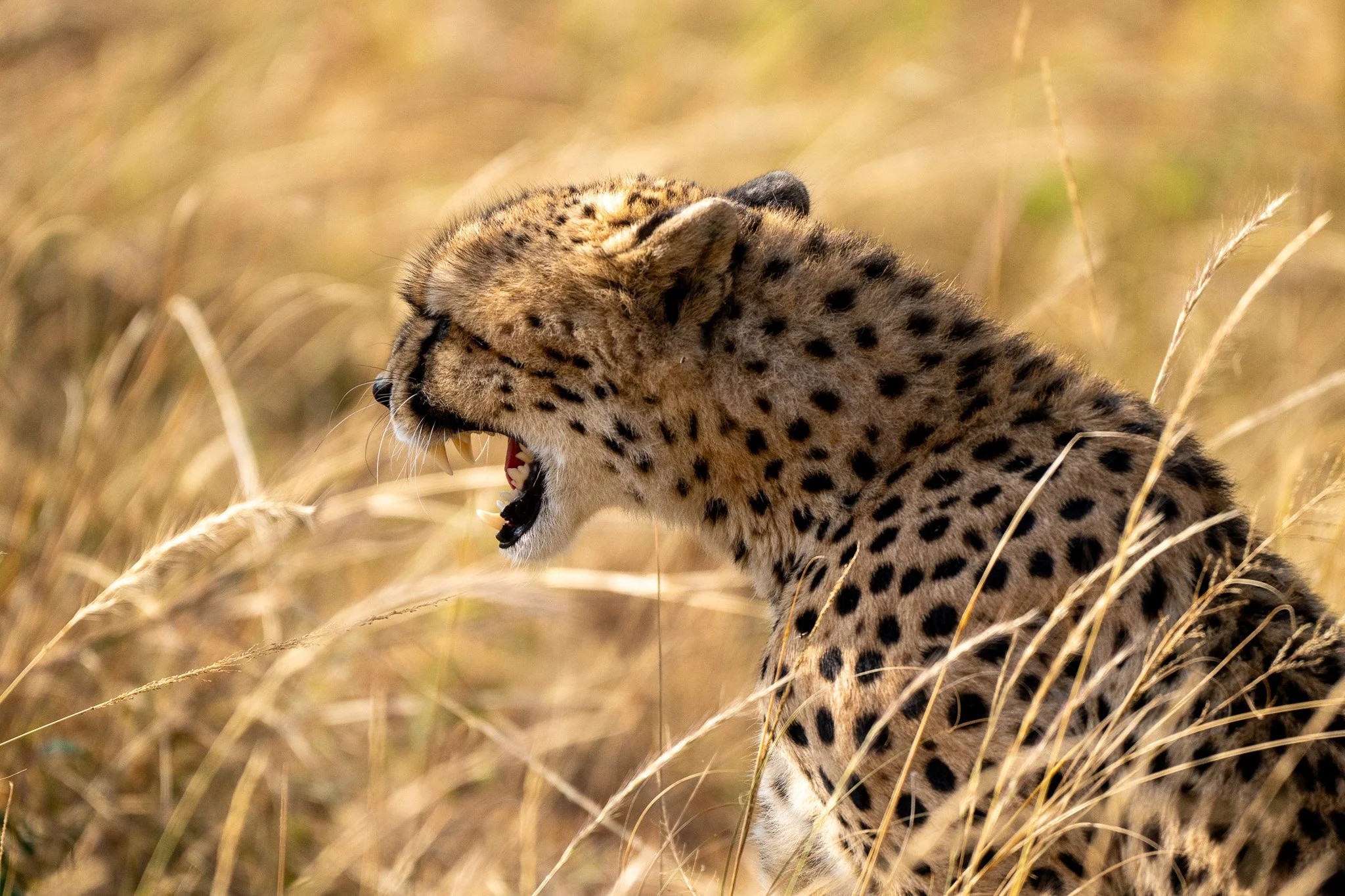
Cheetahs.
It was always a list.
Rarely a feeling.
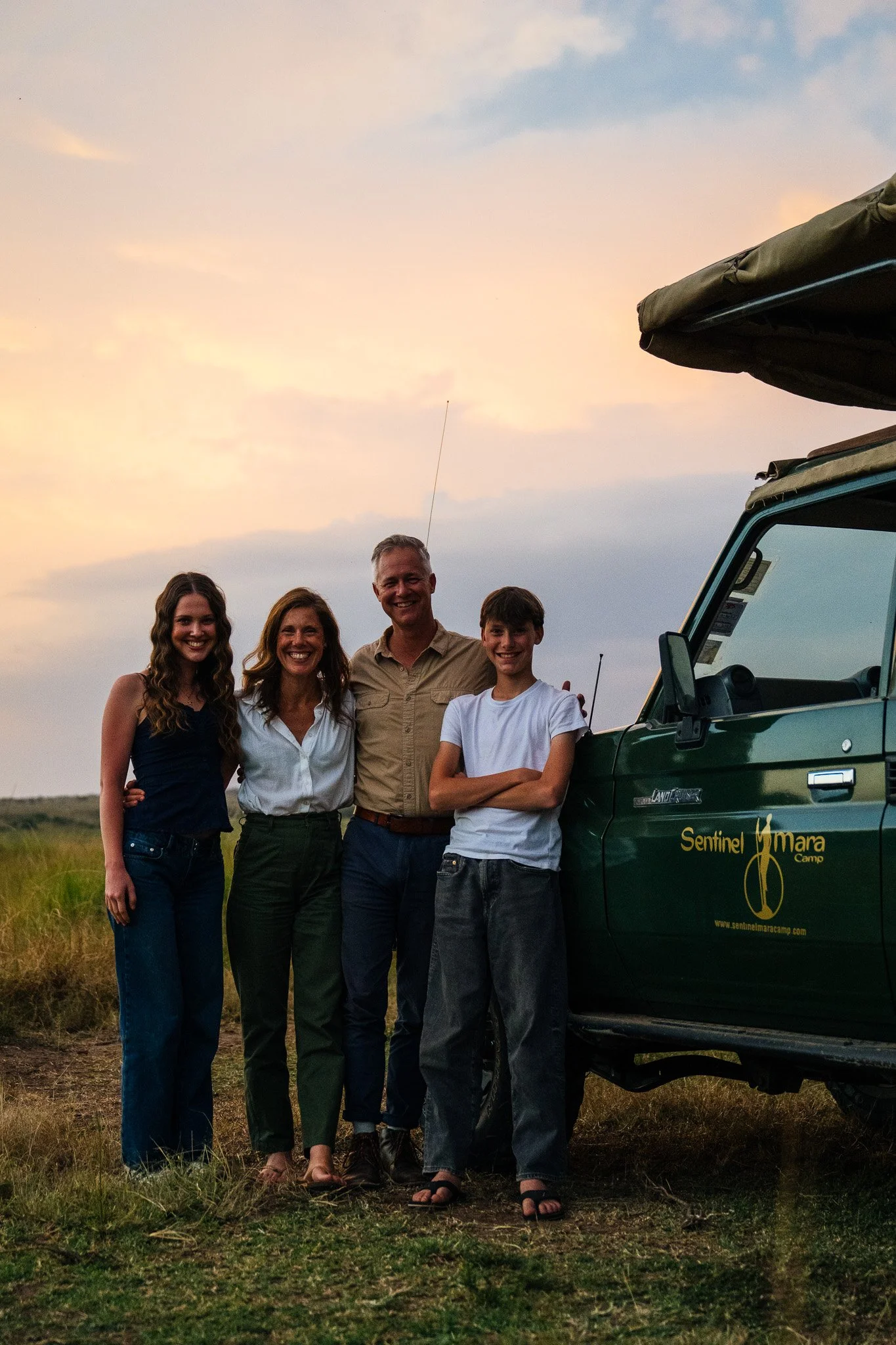
I could have gone many times. A good friend and her husband founded Sentinel Mara Camp more than a decade ago, and their invitation had been standing ever since. Still, I waited.
Partly because I didn't want to dabble. I didn't want my first experience squeezed between assignments or tacked onto the end of another reporting trip. I wanted to arrive with nowhere else to be.
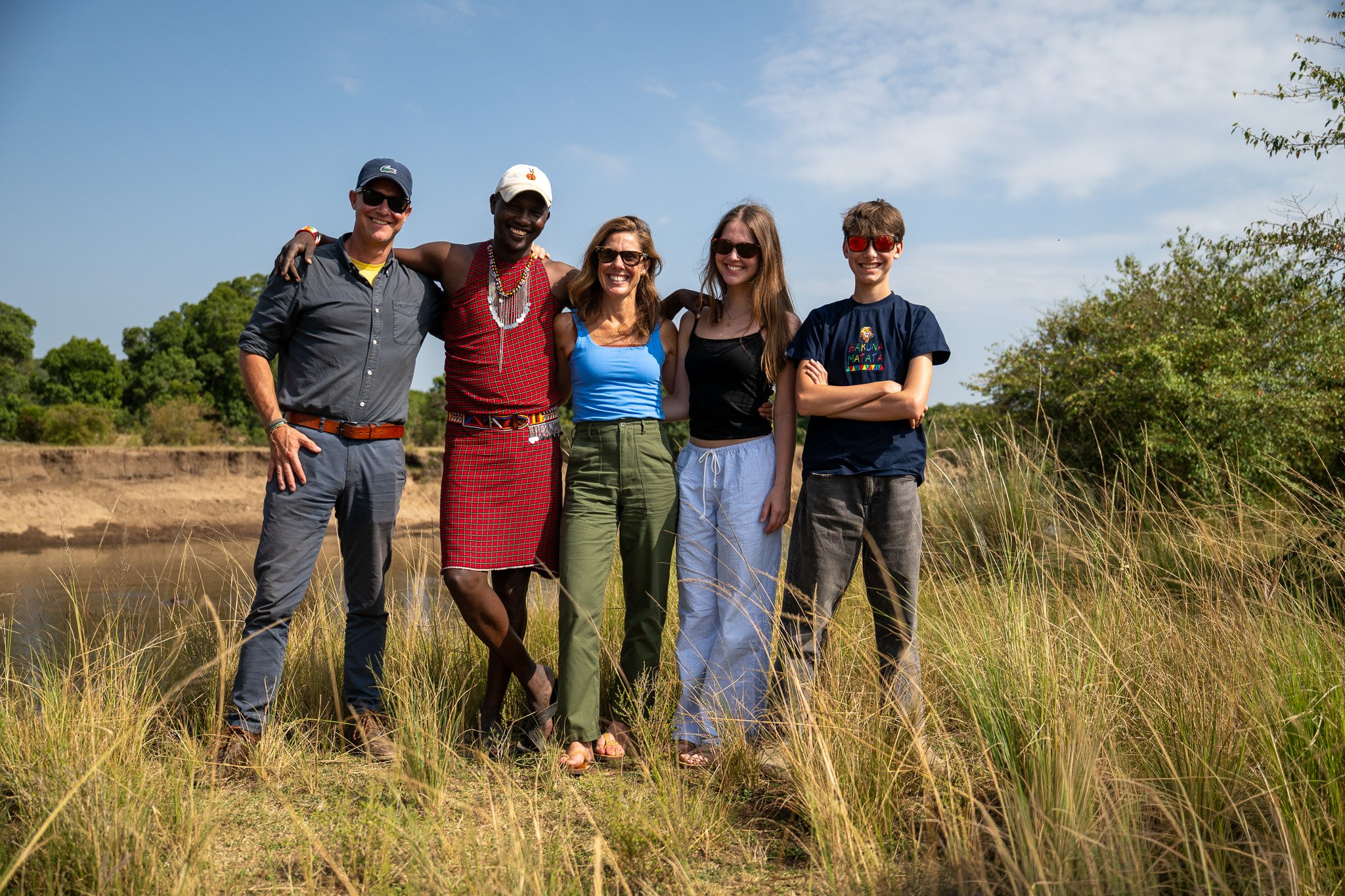
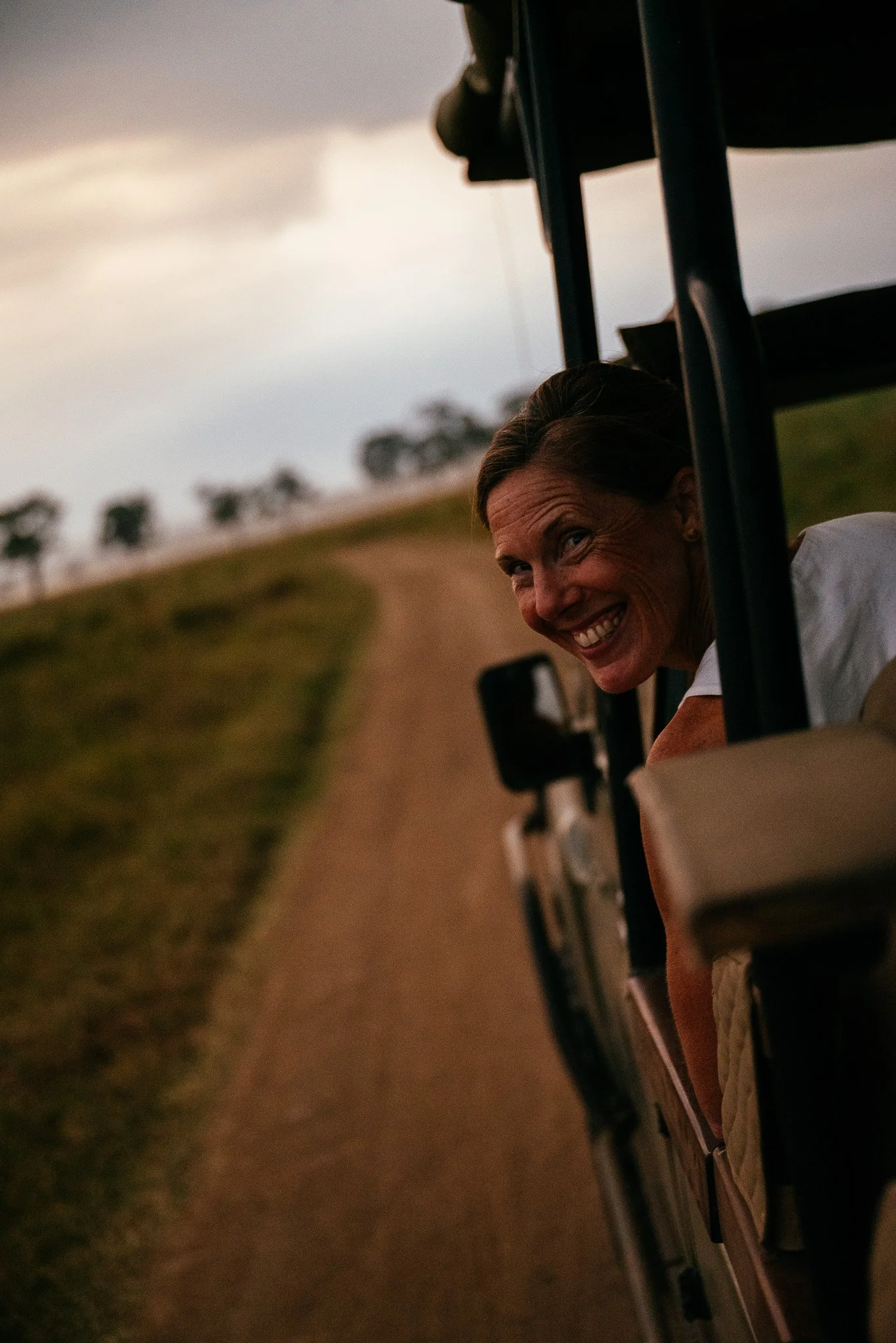
Mostly, though, I couldn't imagine doing it without Lindsey and our kids. Taking our kids into the world has become one of the great projects of our marriage, and East Africa has always occupied a special place in my heart. Experiencing one of the world's great landscapes without them never felt quite right.
Some places deserve to wait.
This June, they finally did.
We arrived at exactly the right moment.
Each year, after months of following fresh grass across Tanzania's Serengeti, enormous herds of wildebeest, zebras, and gazelles begin pushing north into Kenya's Maasai Mara. It is the largest land mammal migration on Earth. The crossings don't happen according to a calendar. They happen when rain, grass, instinct, and opportunity finally align.
We had arrived at the beginning of one of the greatest wildlife spectacles on Earth.
Years ago, Ryszard Kapuściński tried to describe this place in The Shadow of the Sun.
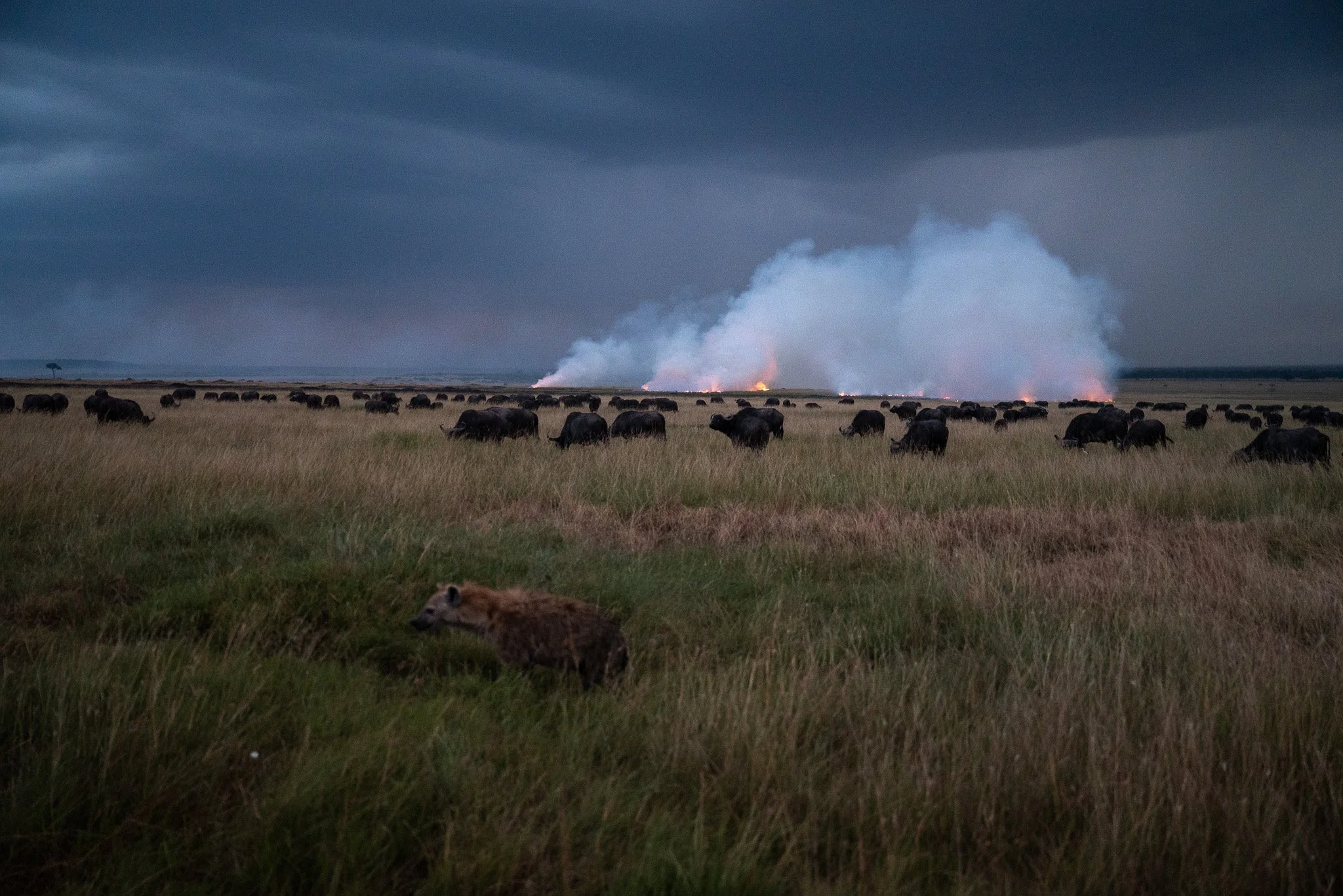
"Everywhere you look, huge herds of zebras, antelopes, buffalo, giraffes. All of them are grazing, frisking, frolicking, galloping. Right beside the road, motionless lions; a bit farther, a group of elephants; and farther still, on the horizon, a leopard running in huge bounds. It's all improbable, incredible. As if one were witnessing the birth of the world... It is this world barely born, the world without mankind and hence also without sin, that one can imagine one is seeing here."
Standing there, I finally understood what he meant.
Not because there were more animals than I'd ever seen.
Because nothing acknowledged our presence.
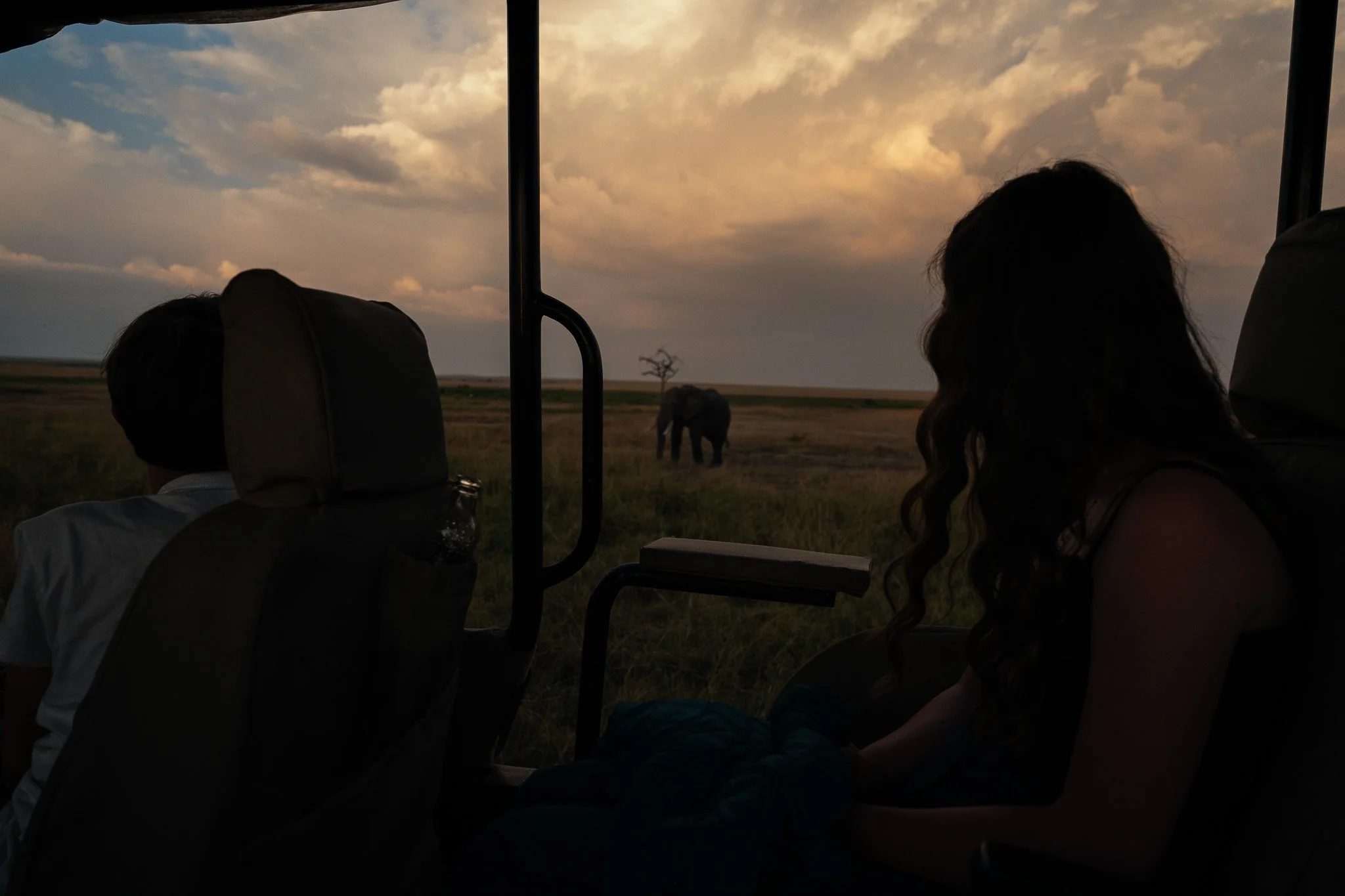
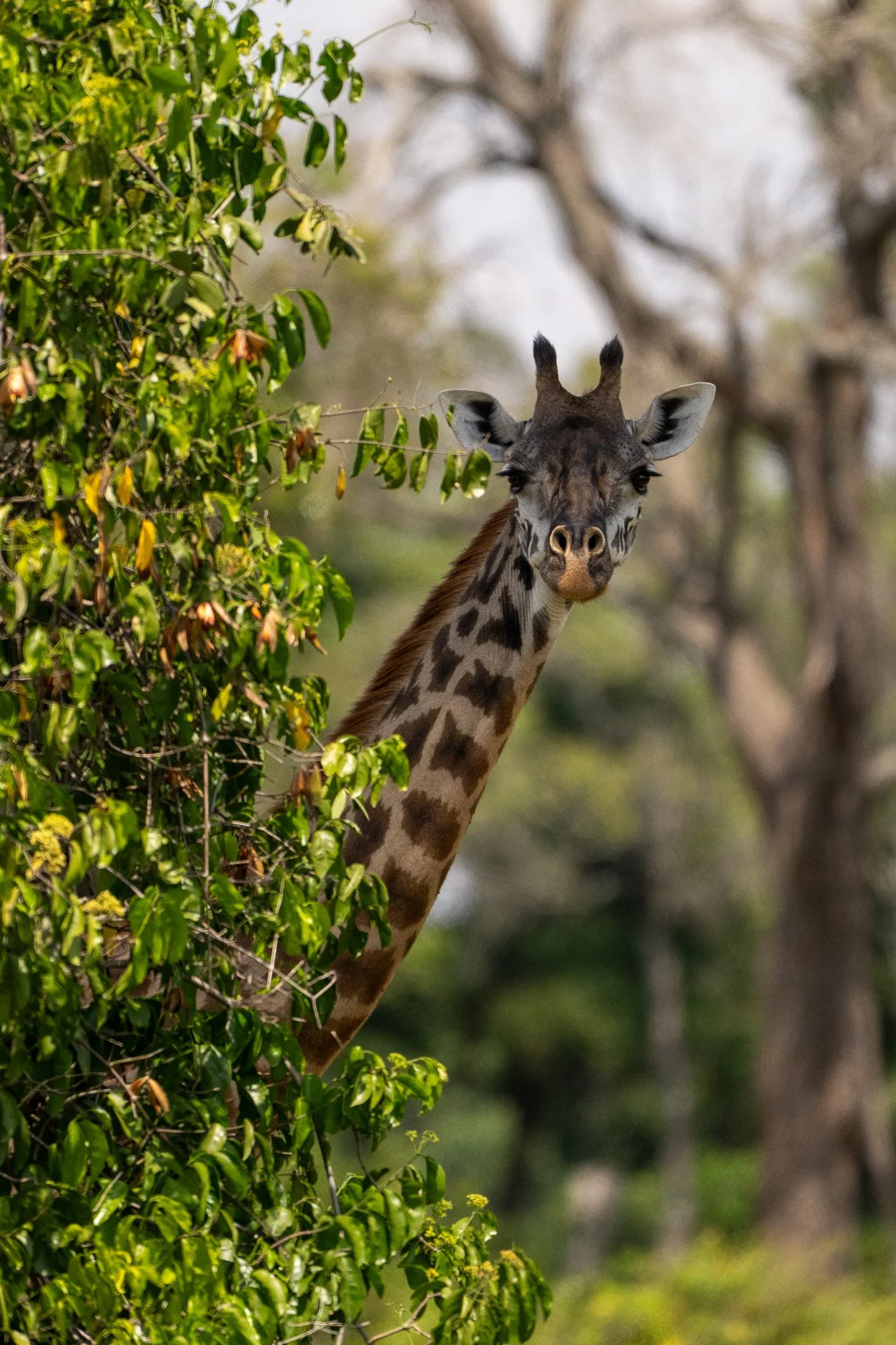
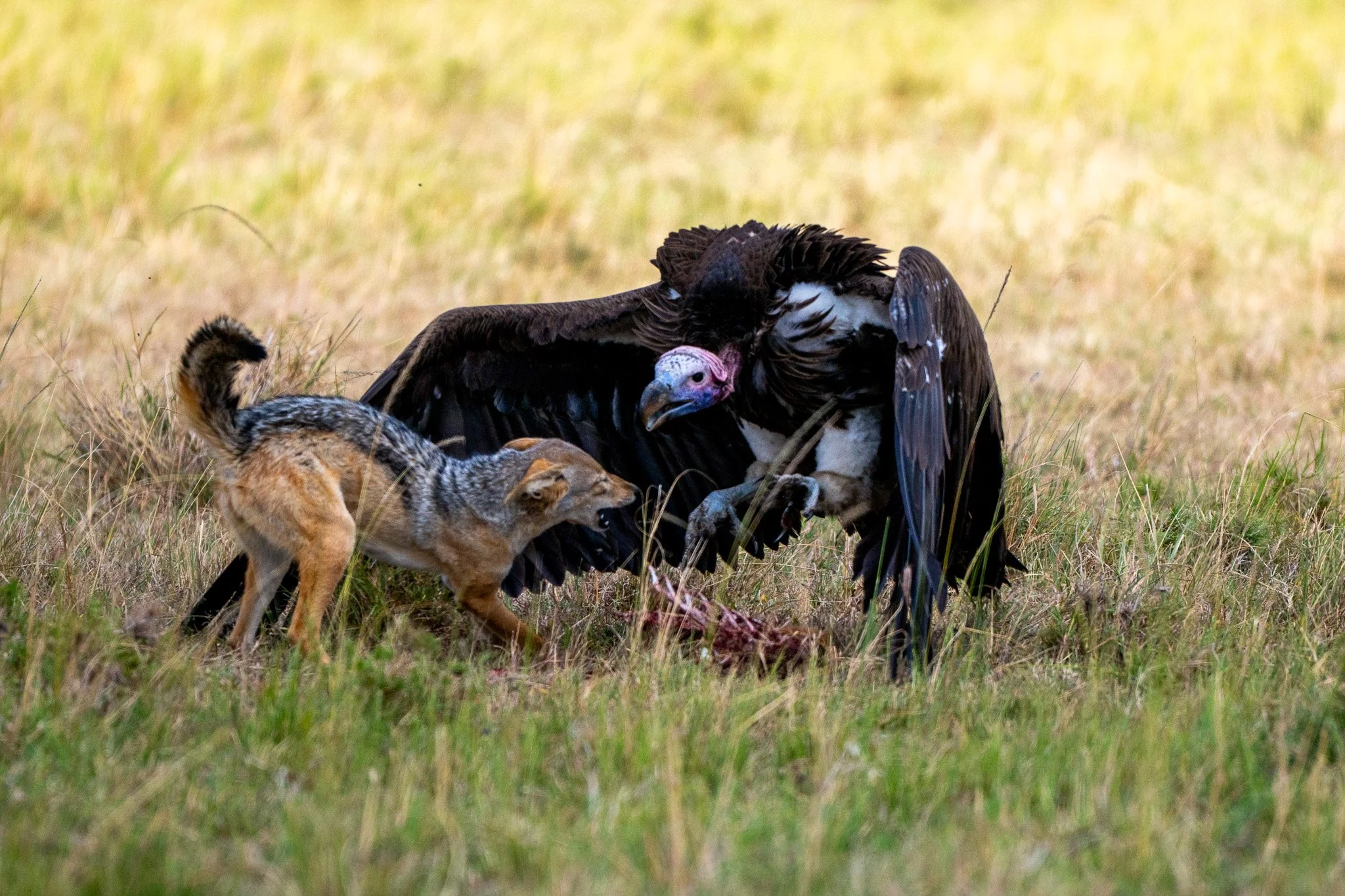
The lions weren't performing. The elephants weren't posing. Everything simply carried on, just as it had long before we arrived and just as it would after we left.
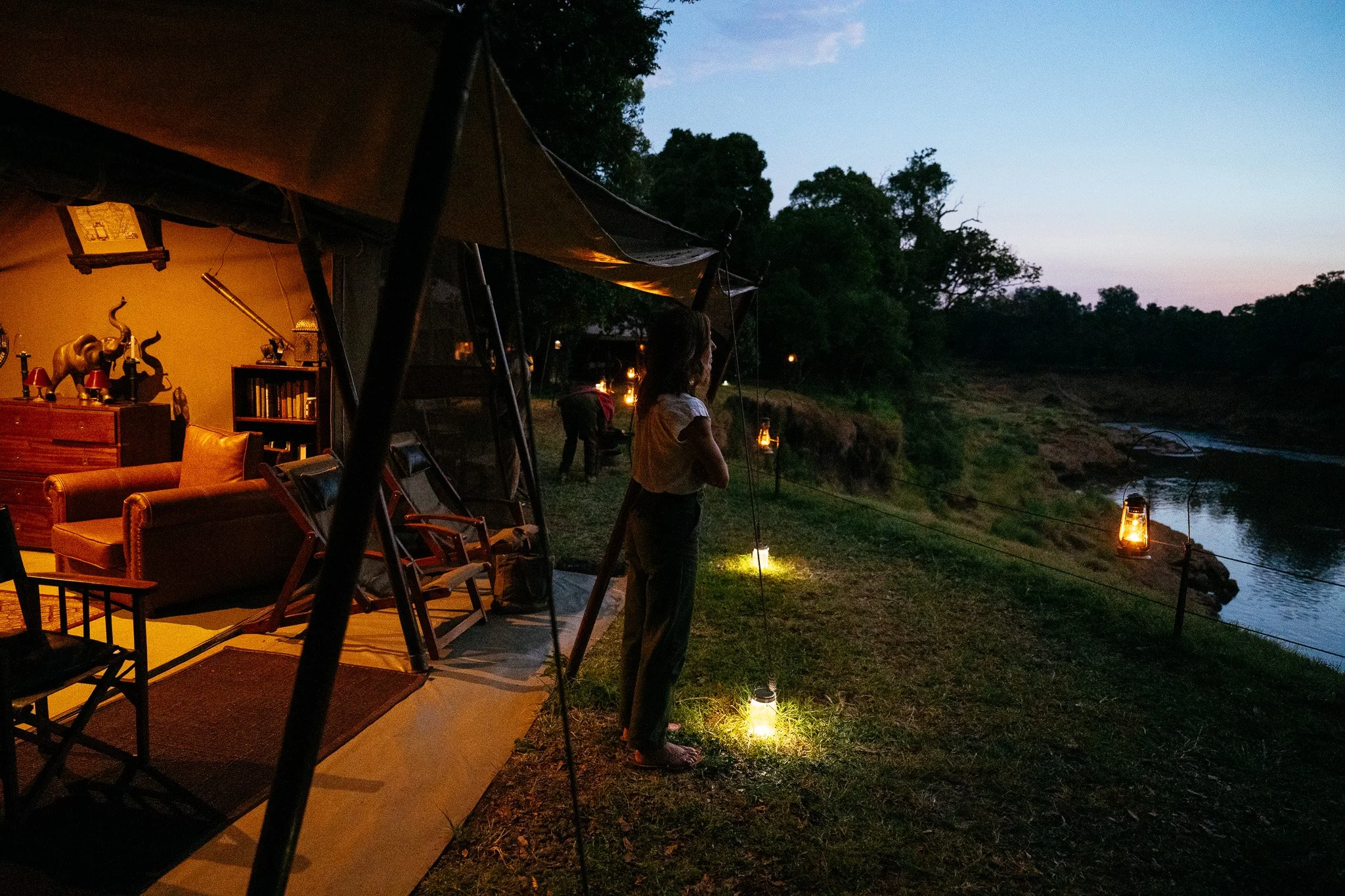
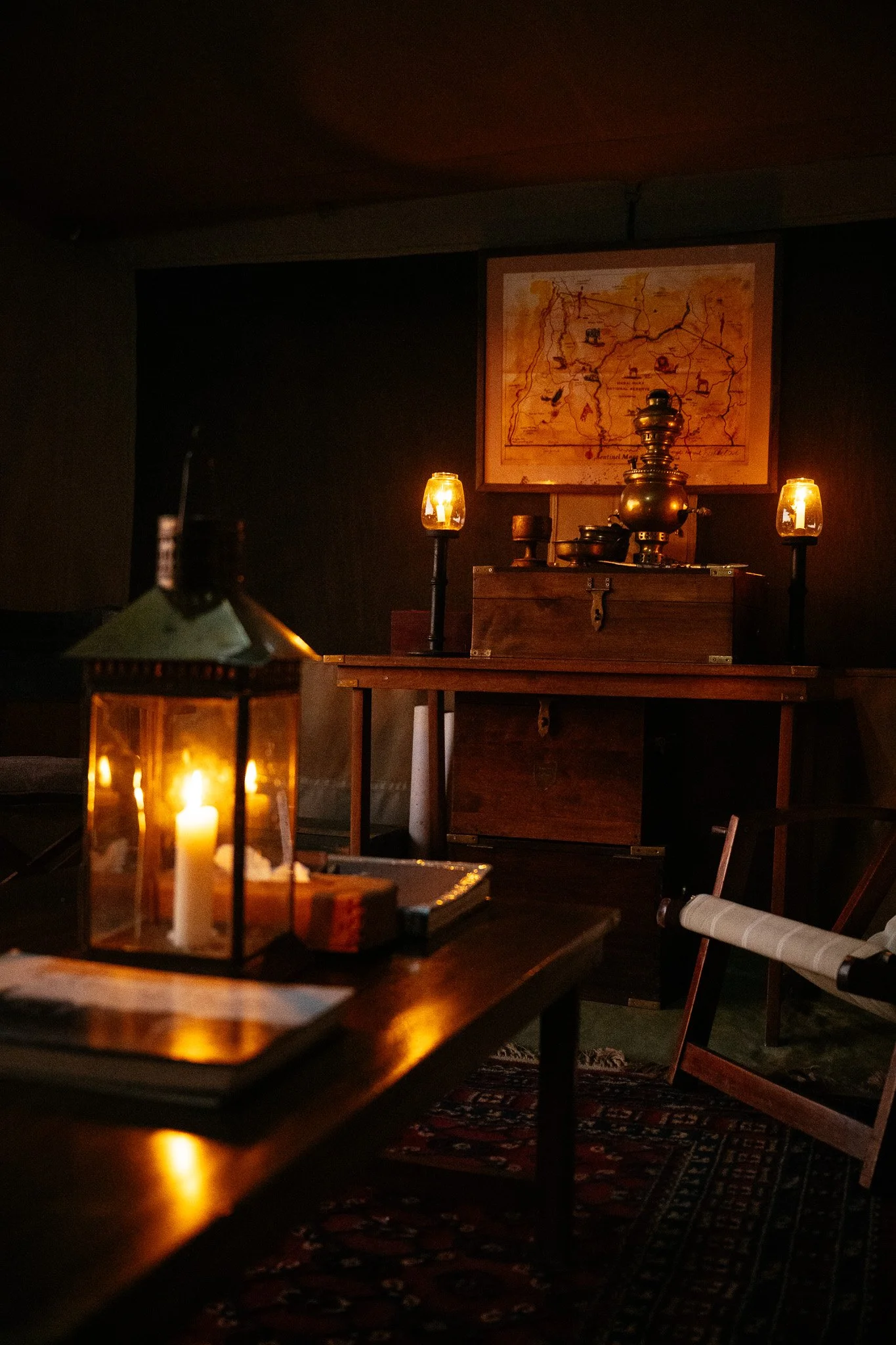
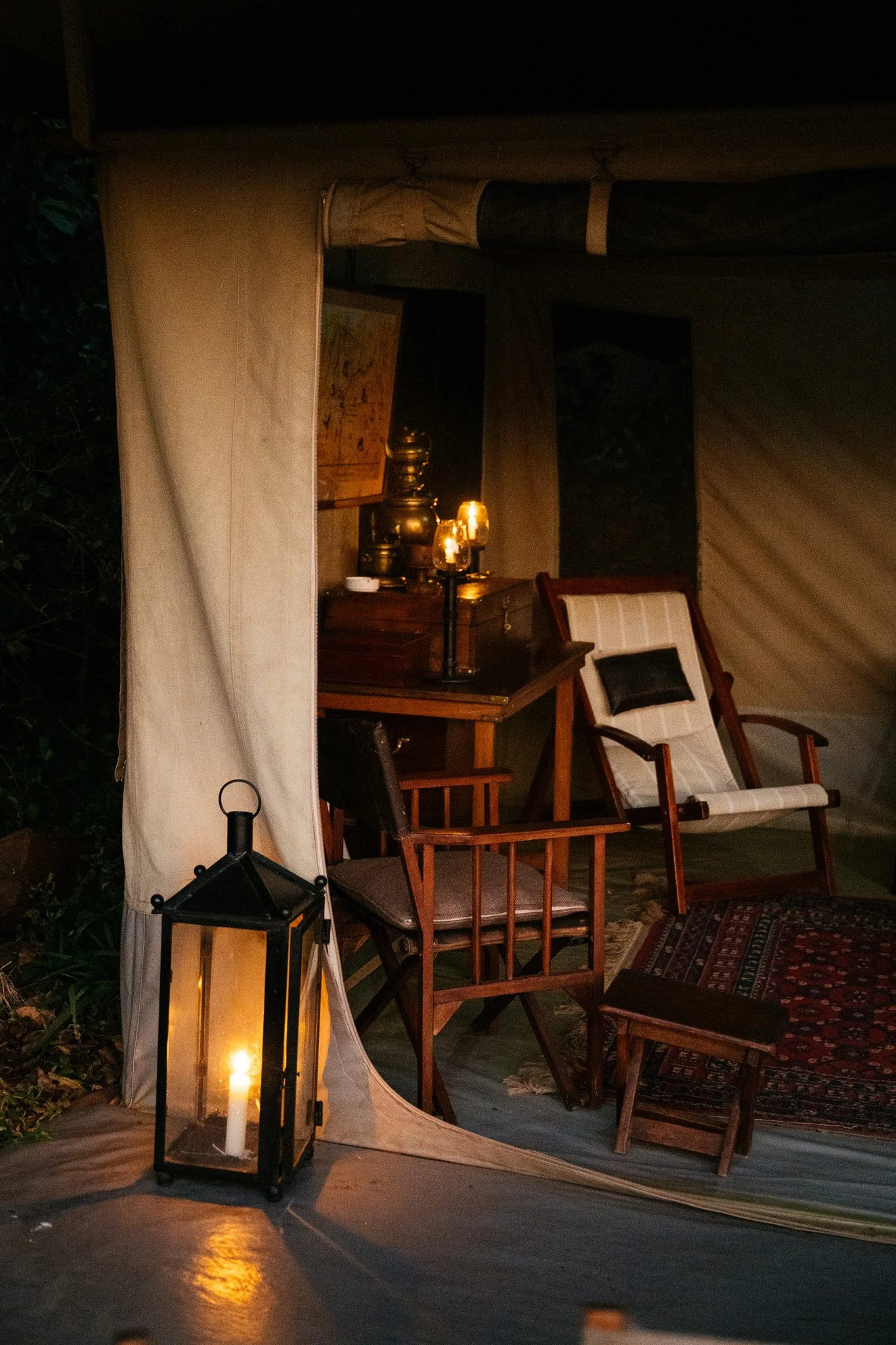
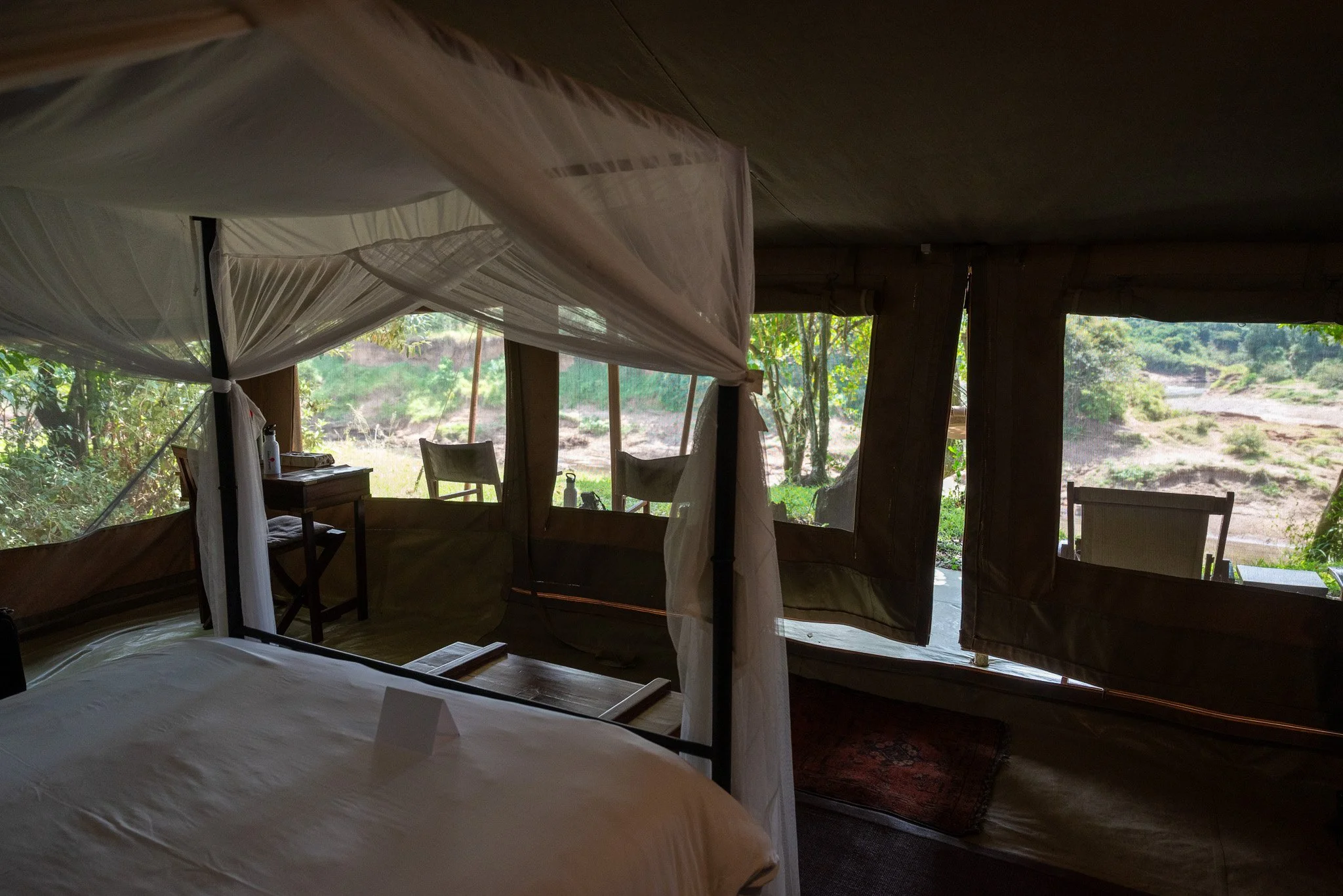
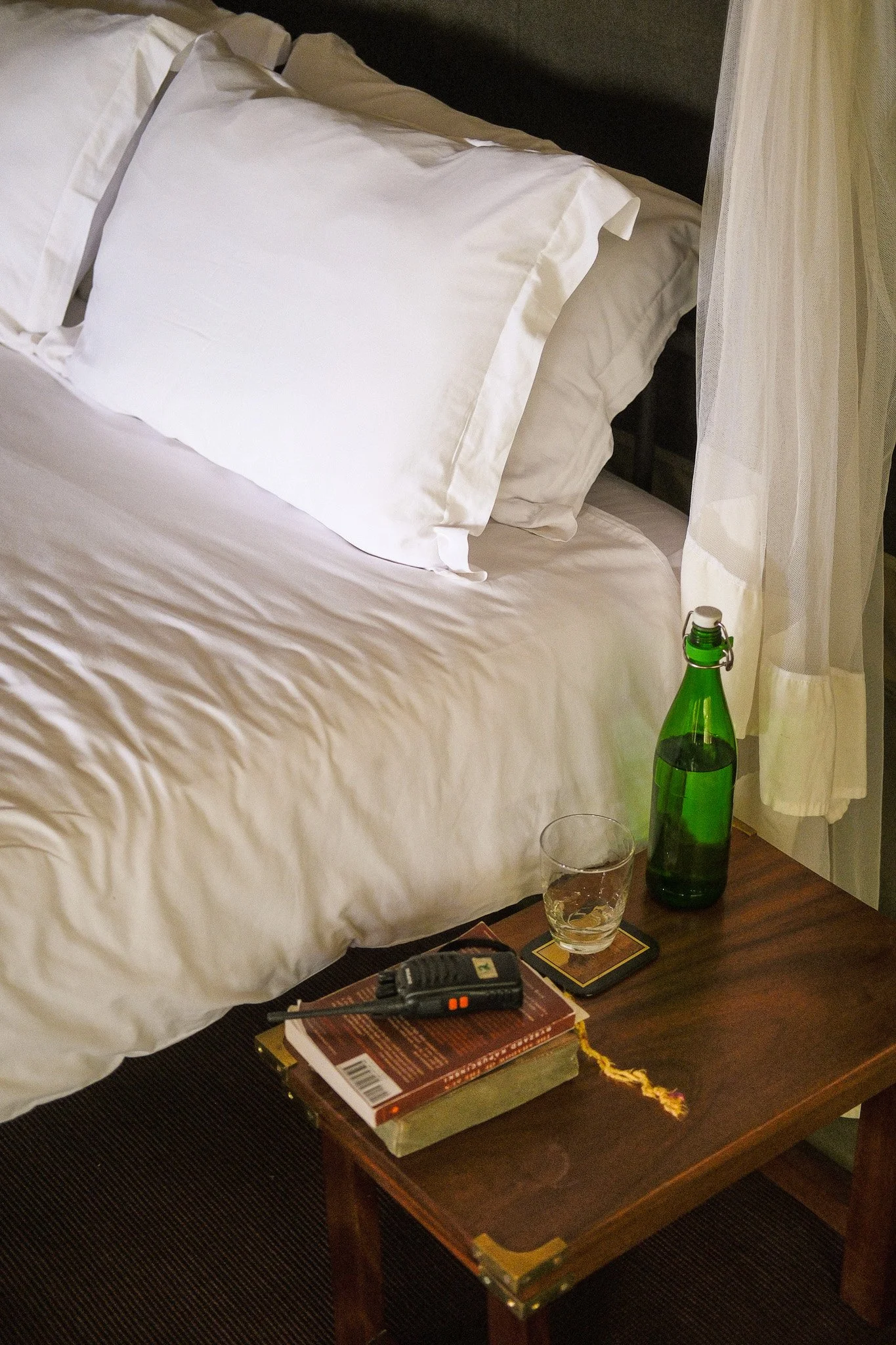
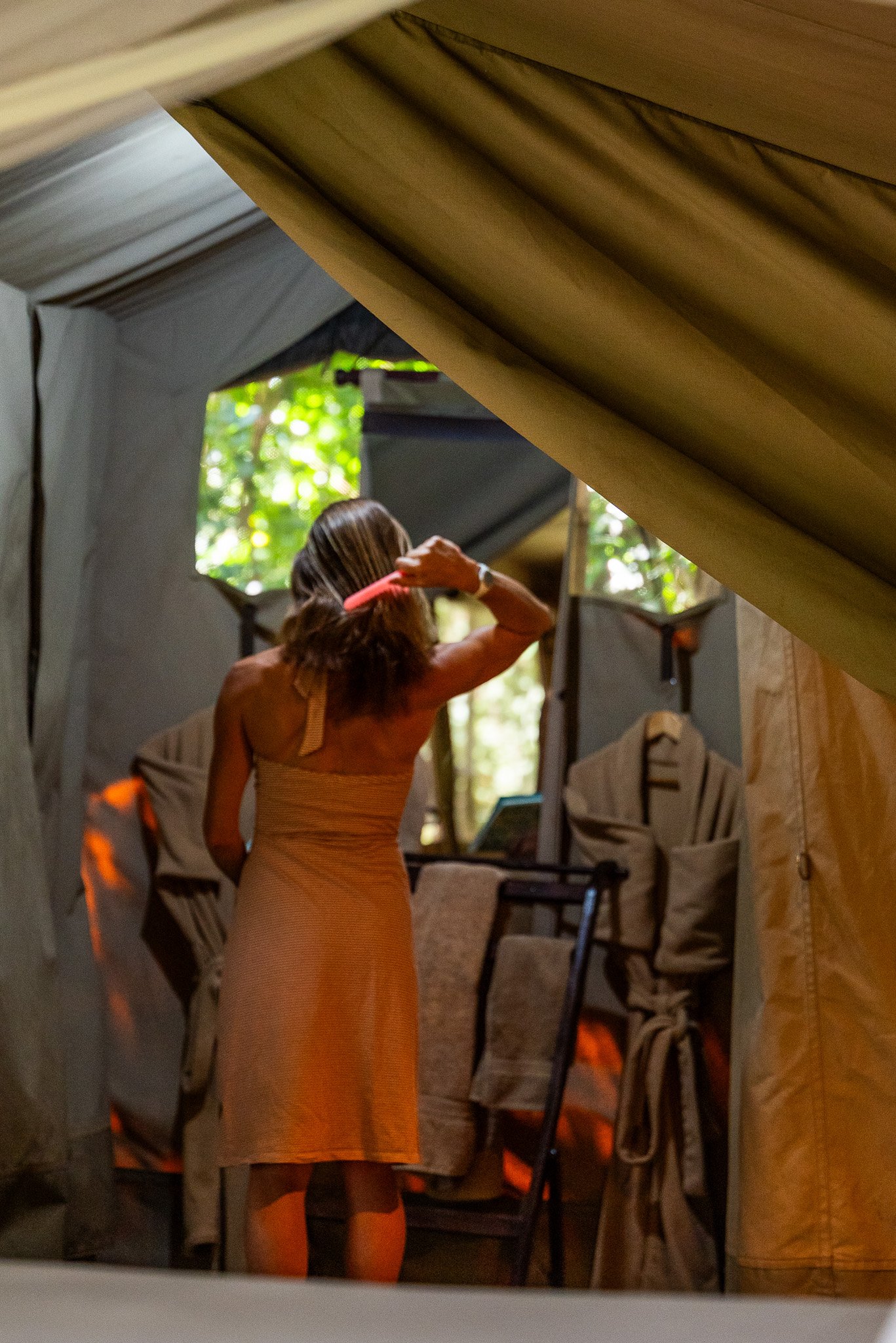
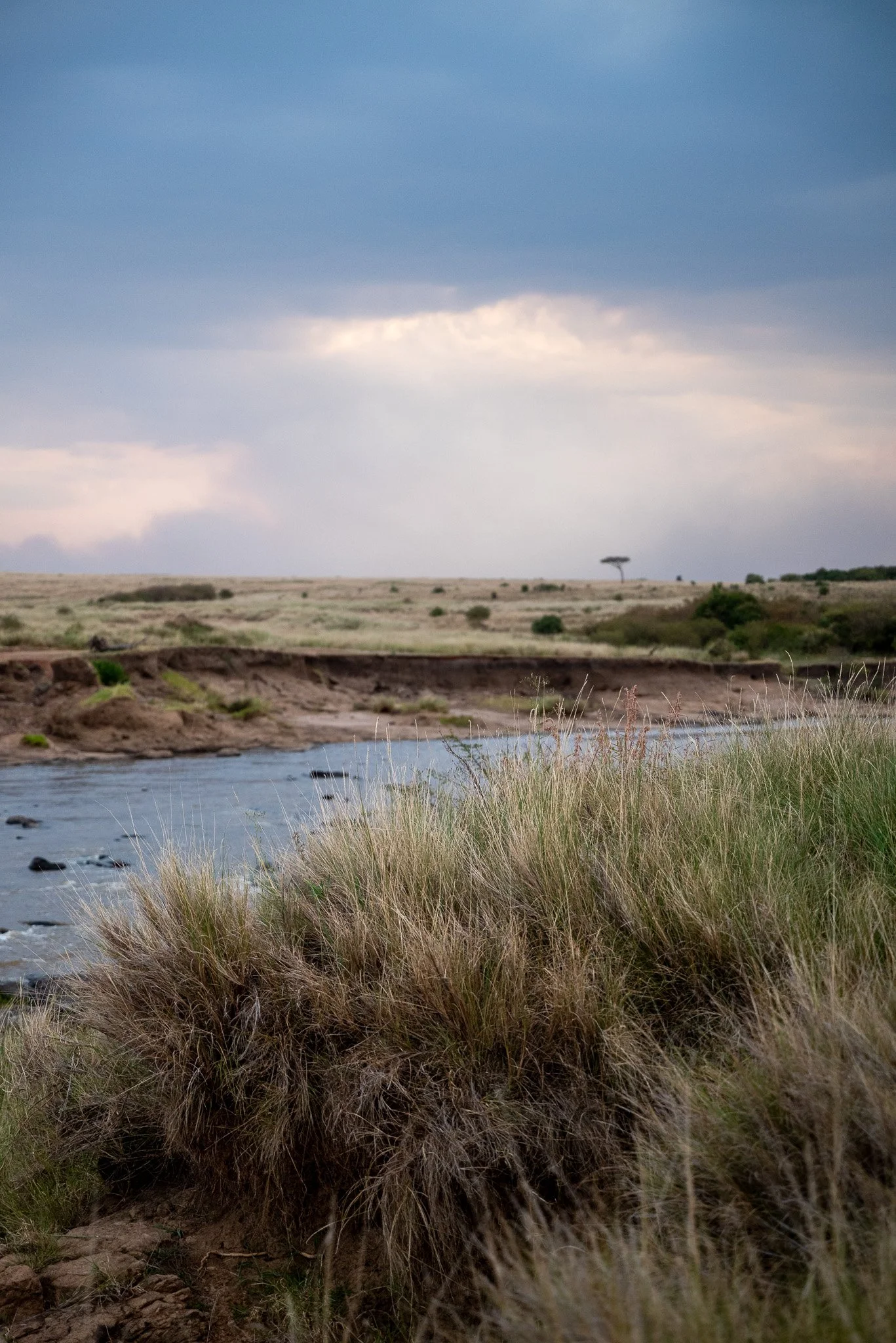
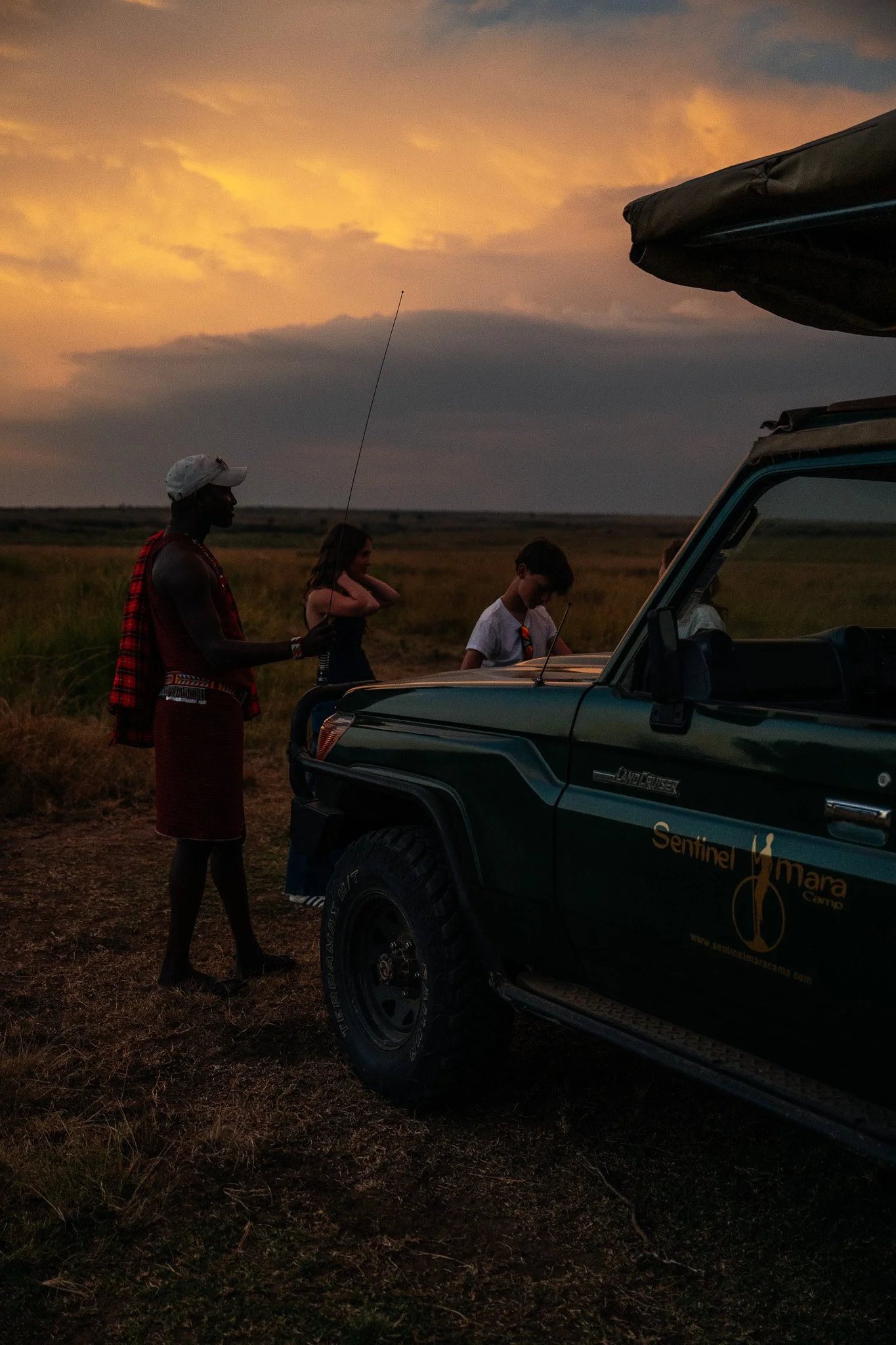
Sentinel itself felt as though someone had quietly stopped time. It wasn't difficult to imagine arriving here in 1933, when Ernest Hemingway first came to East Africa. Spacious canvas tents sat tucked beneath the forest, Persian rugs stretched across the tent floors, polished brass, and every piece of teak furniture had been built by hand rather than ordered from a catalog. The camp sat just above the Mara River, where hippos grunted through the night, and crocodiles drifted silently below the banks. It felt less like checking into a lodge than stepping into another era.
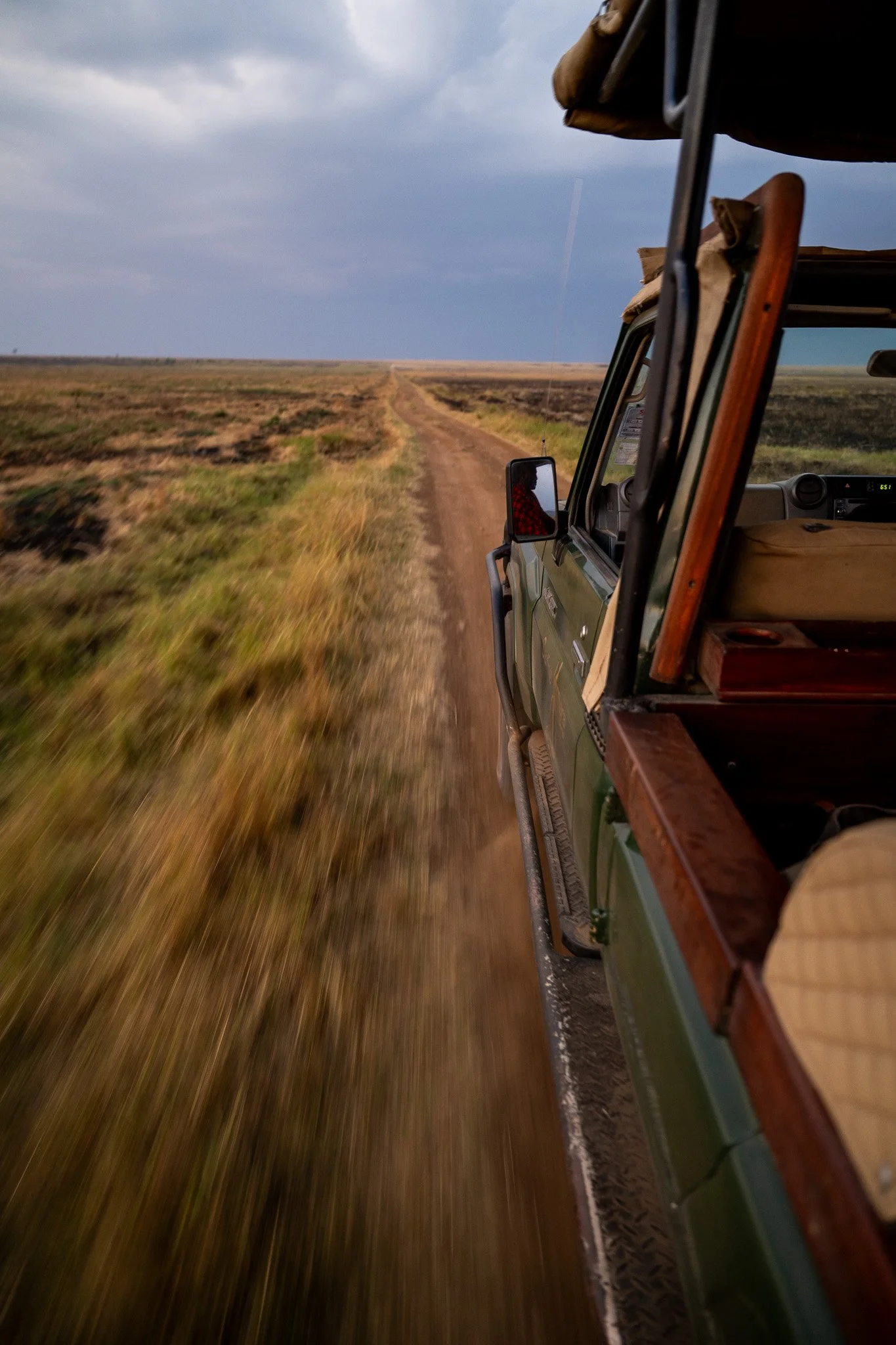
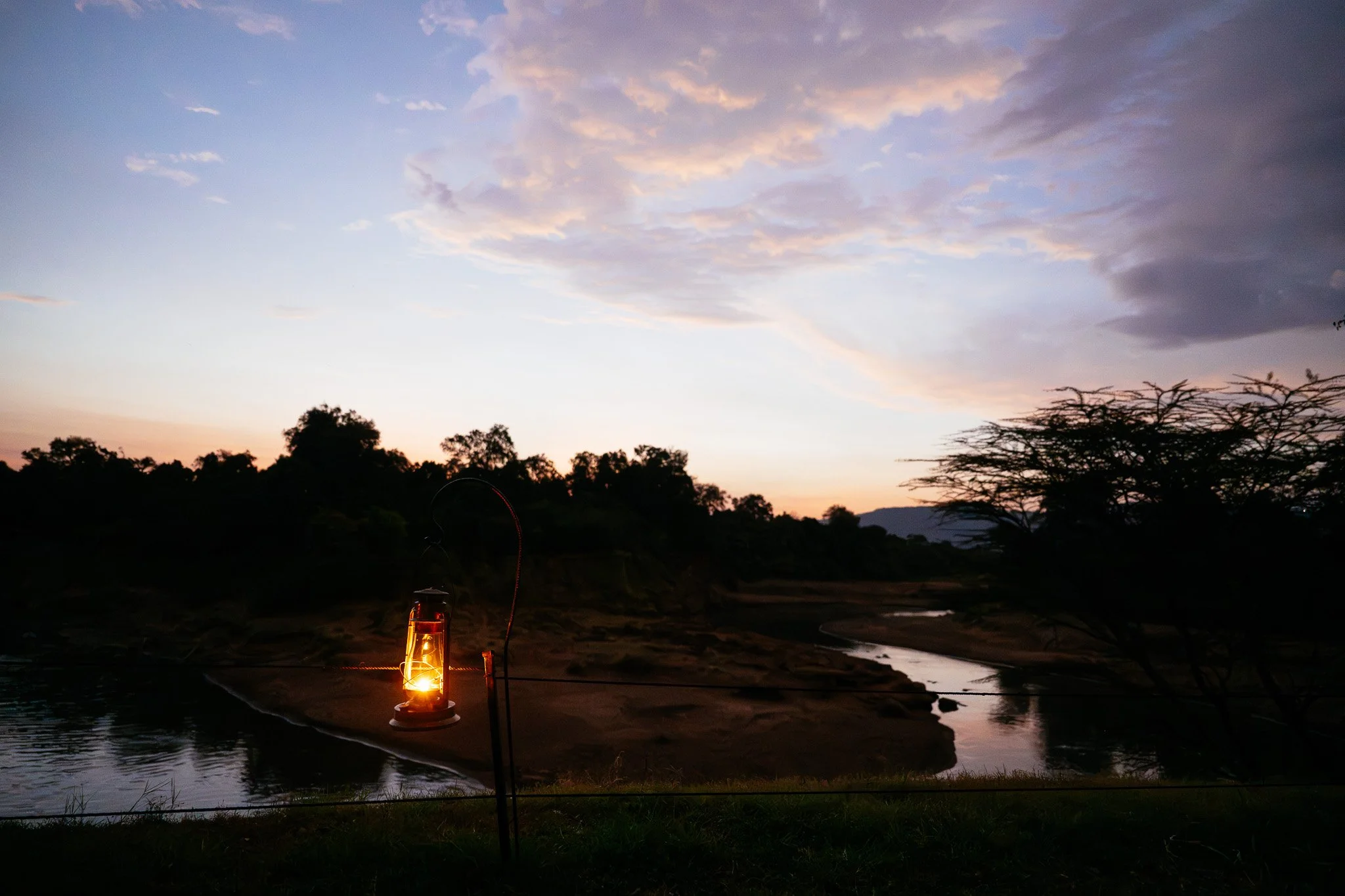
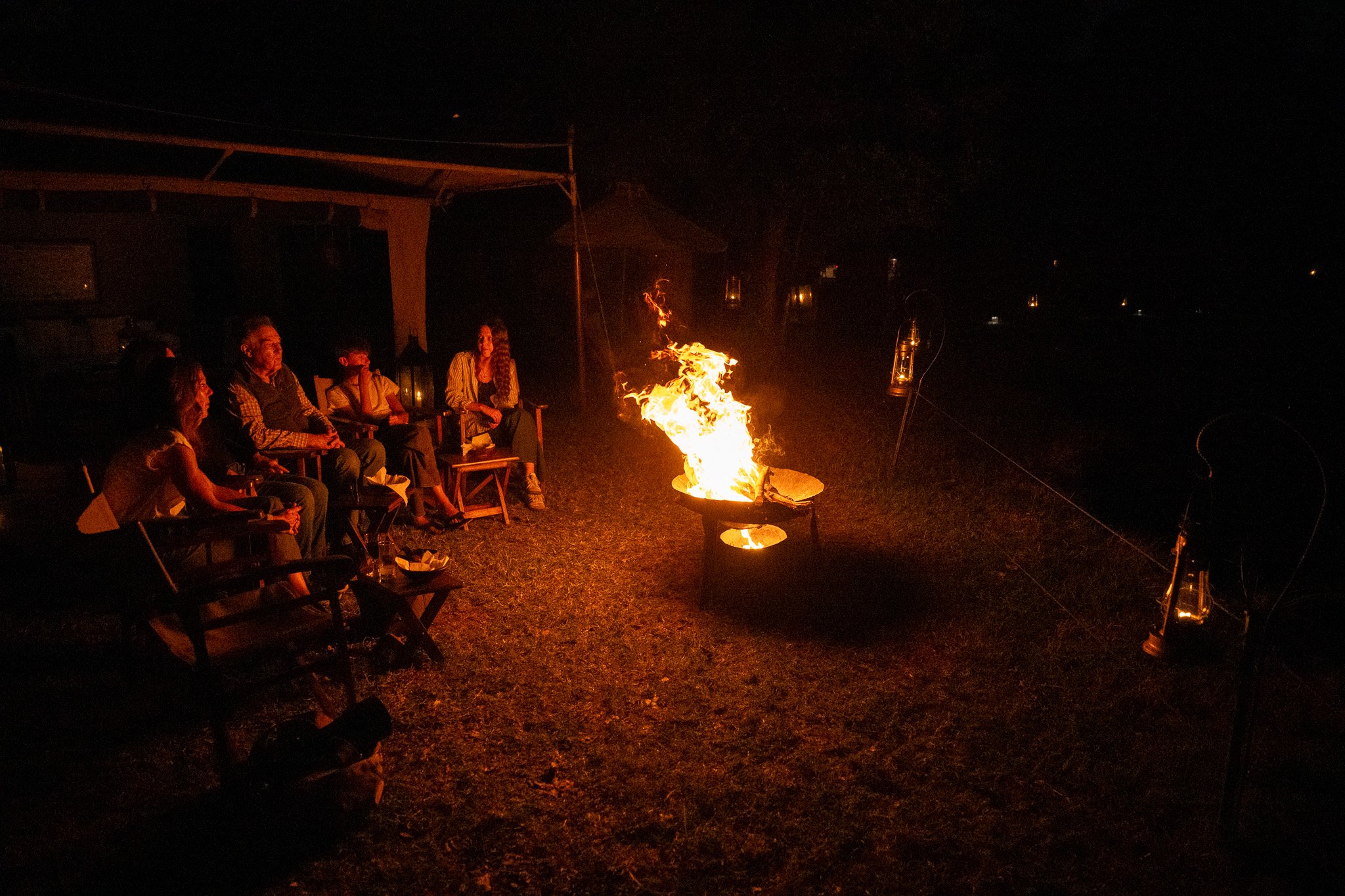
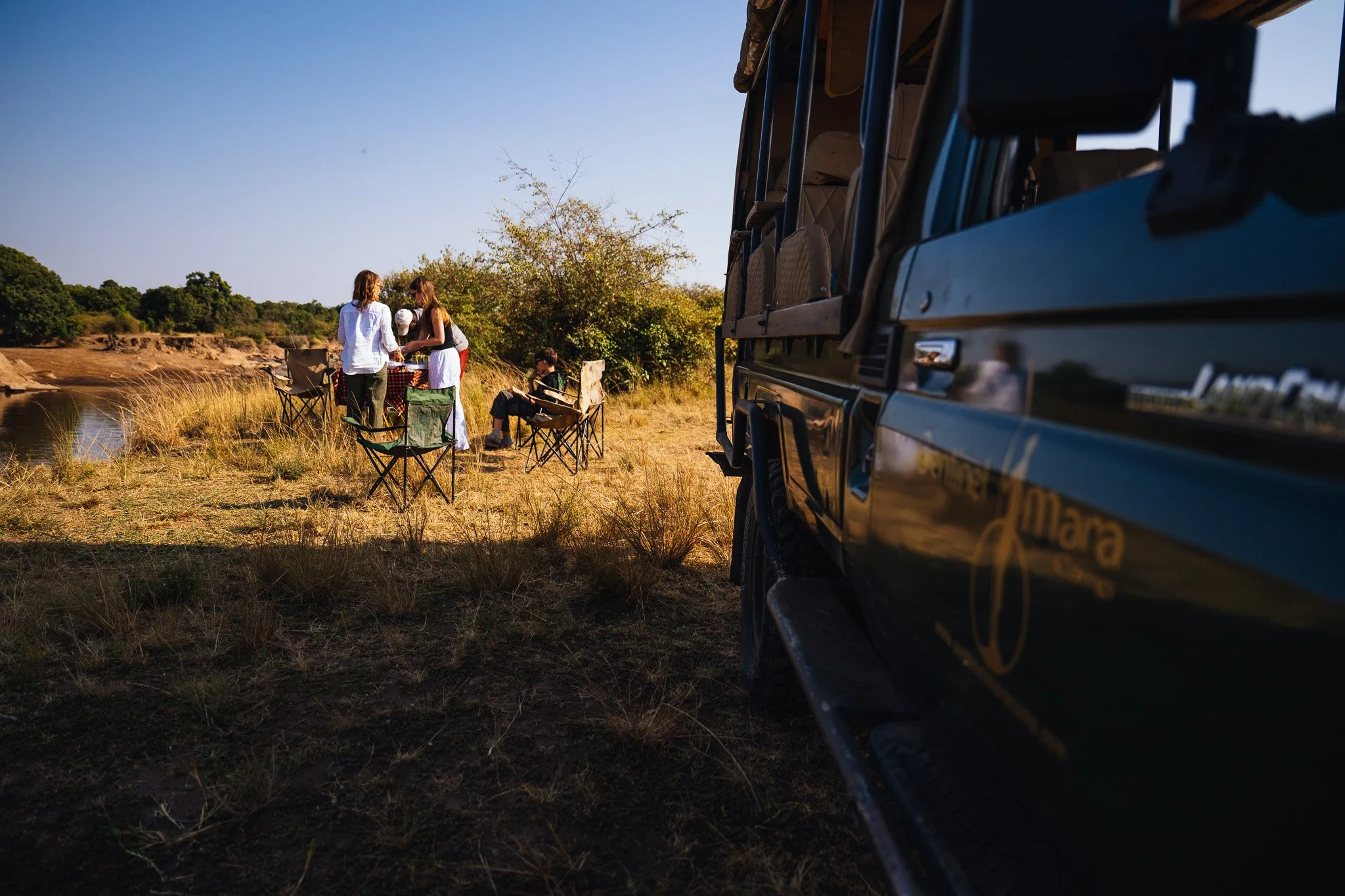
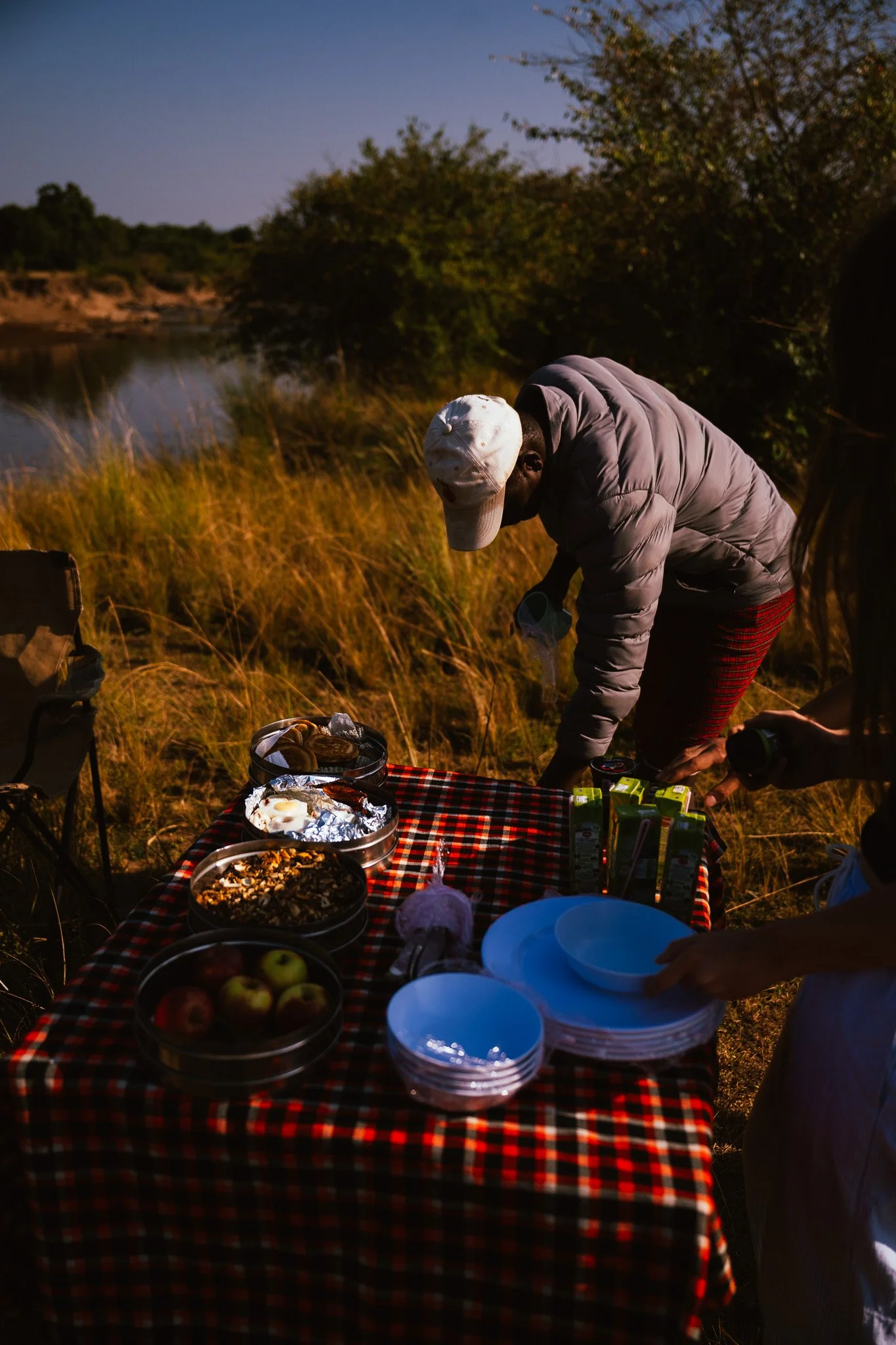
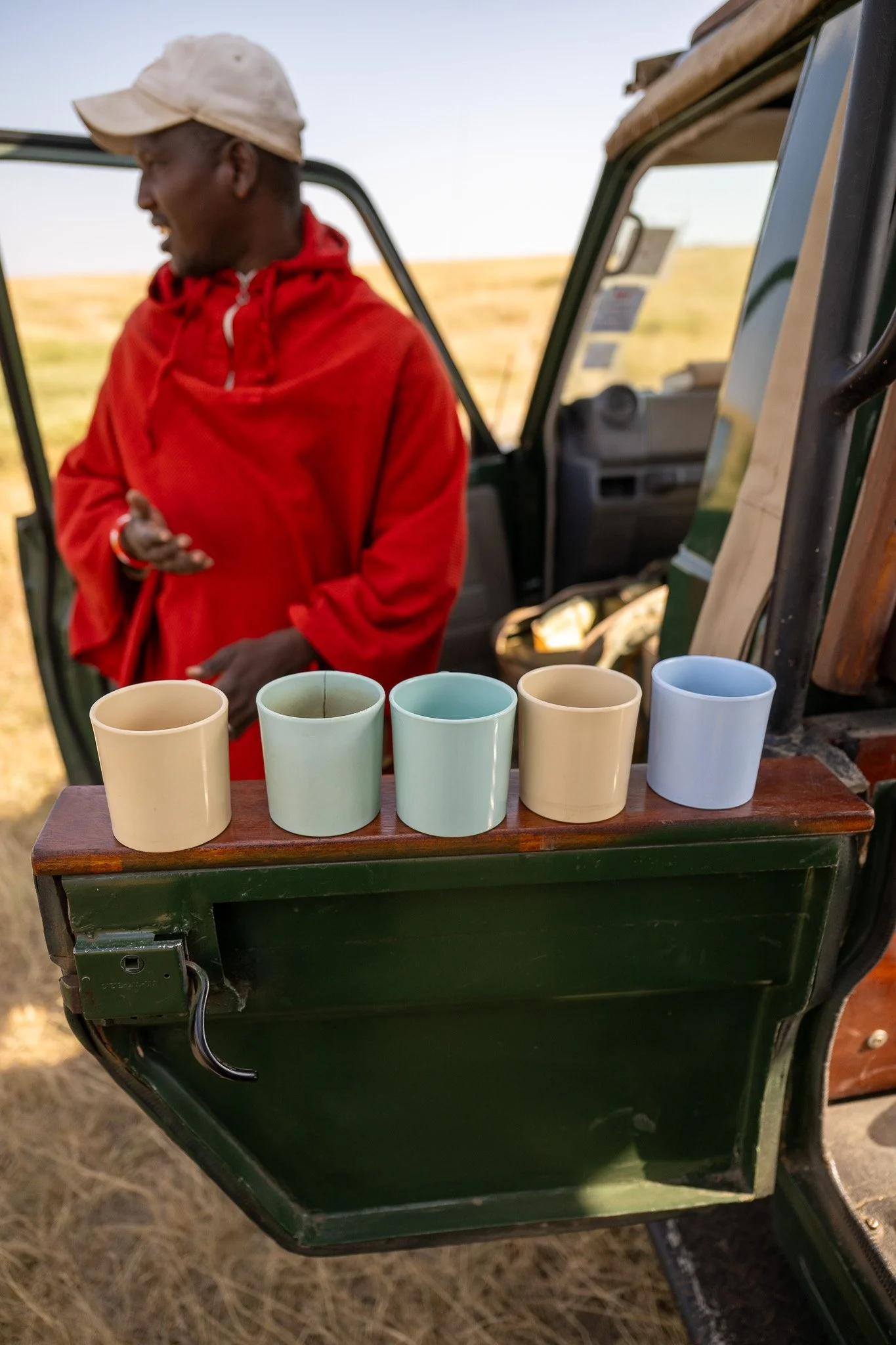
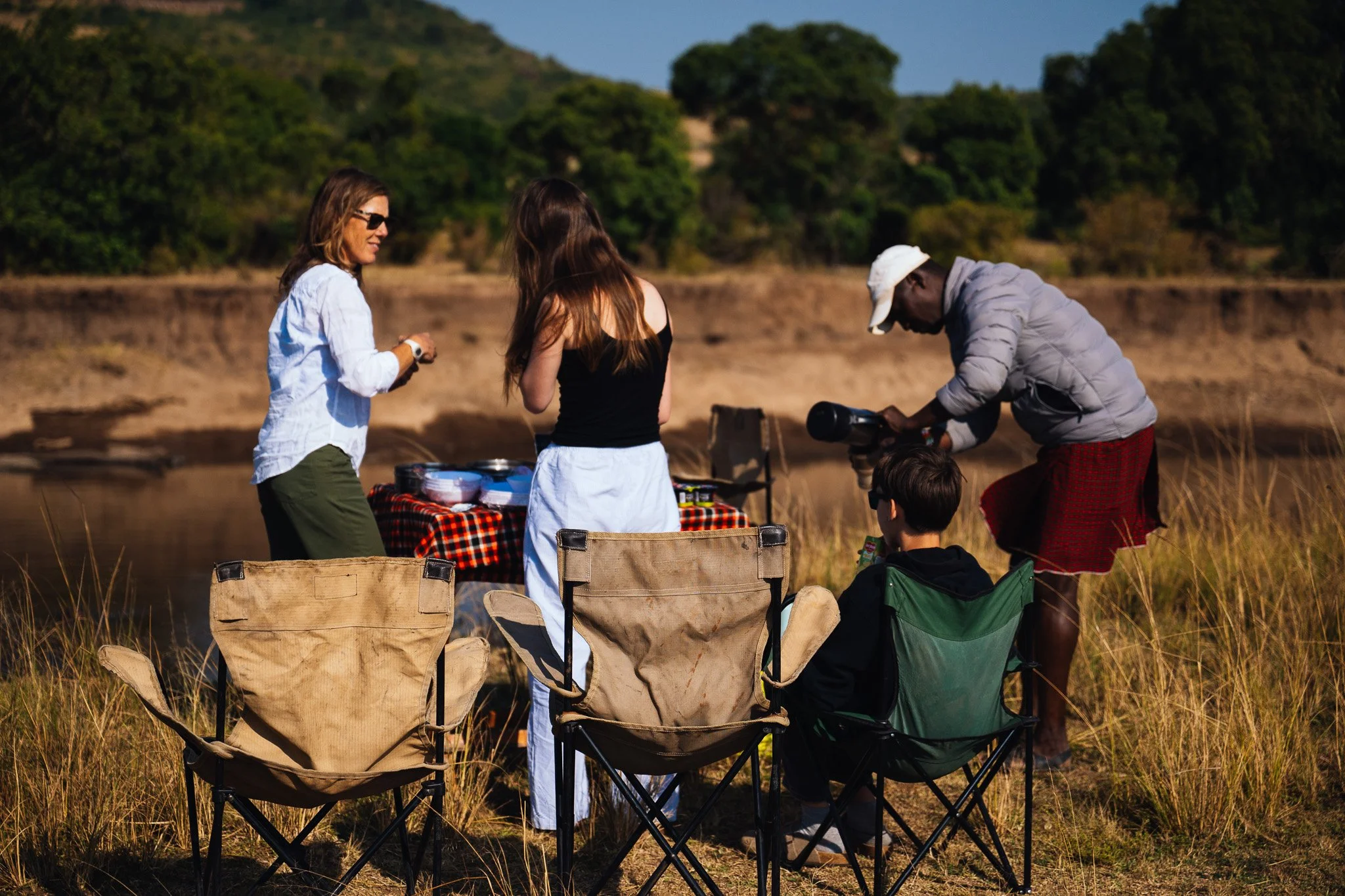
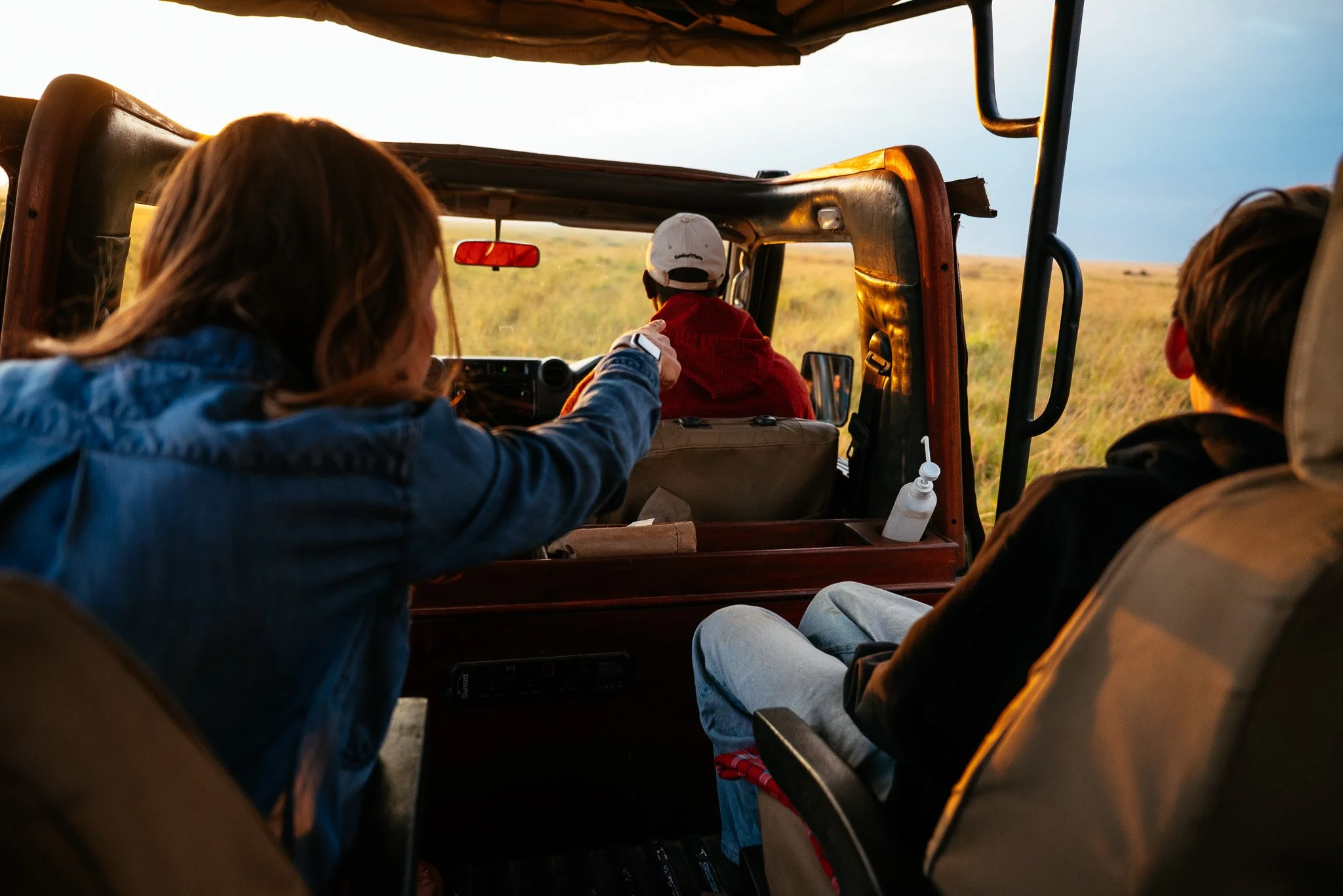
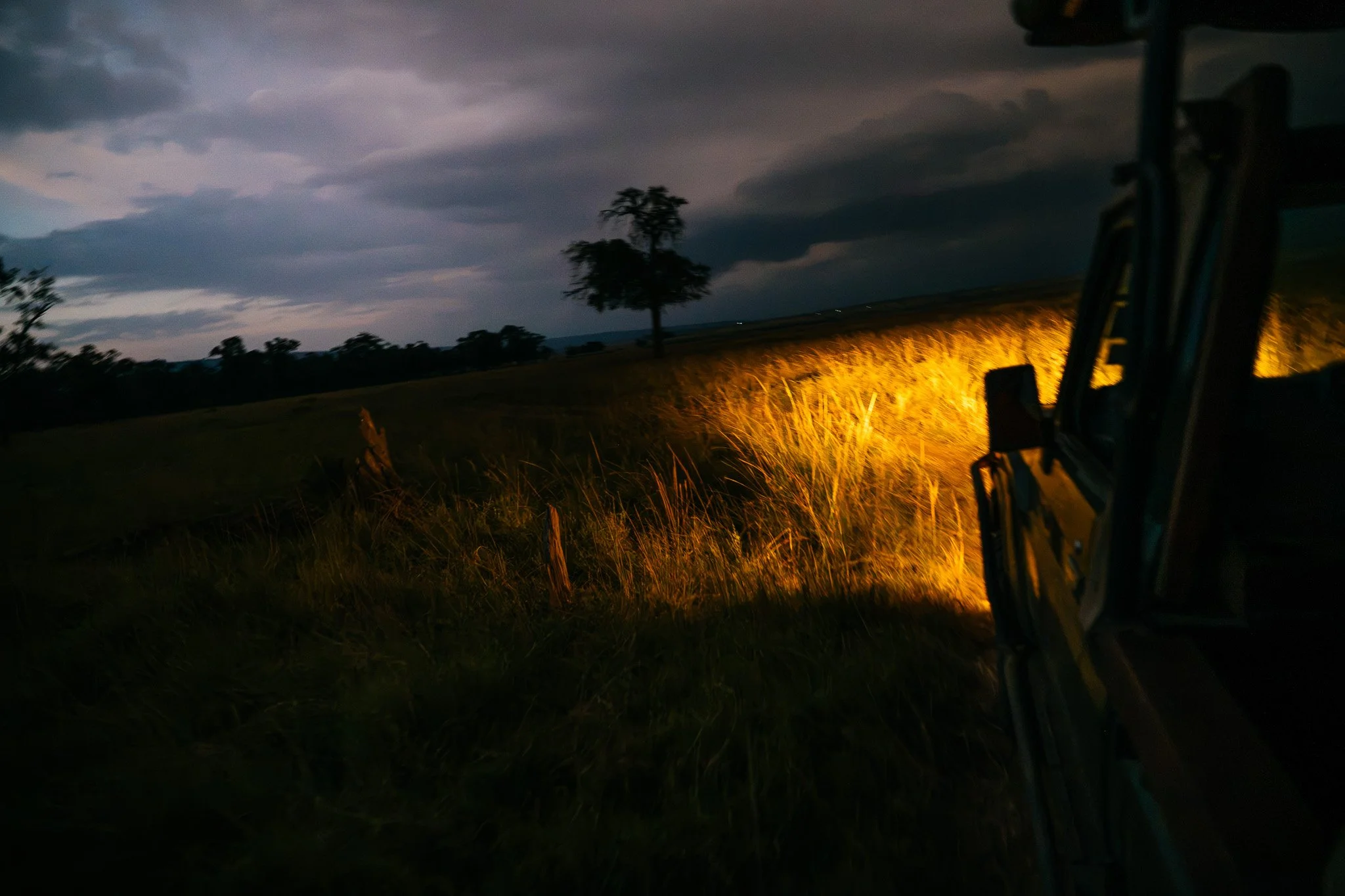
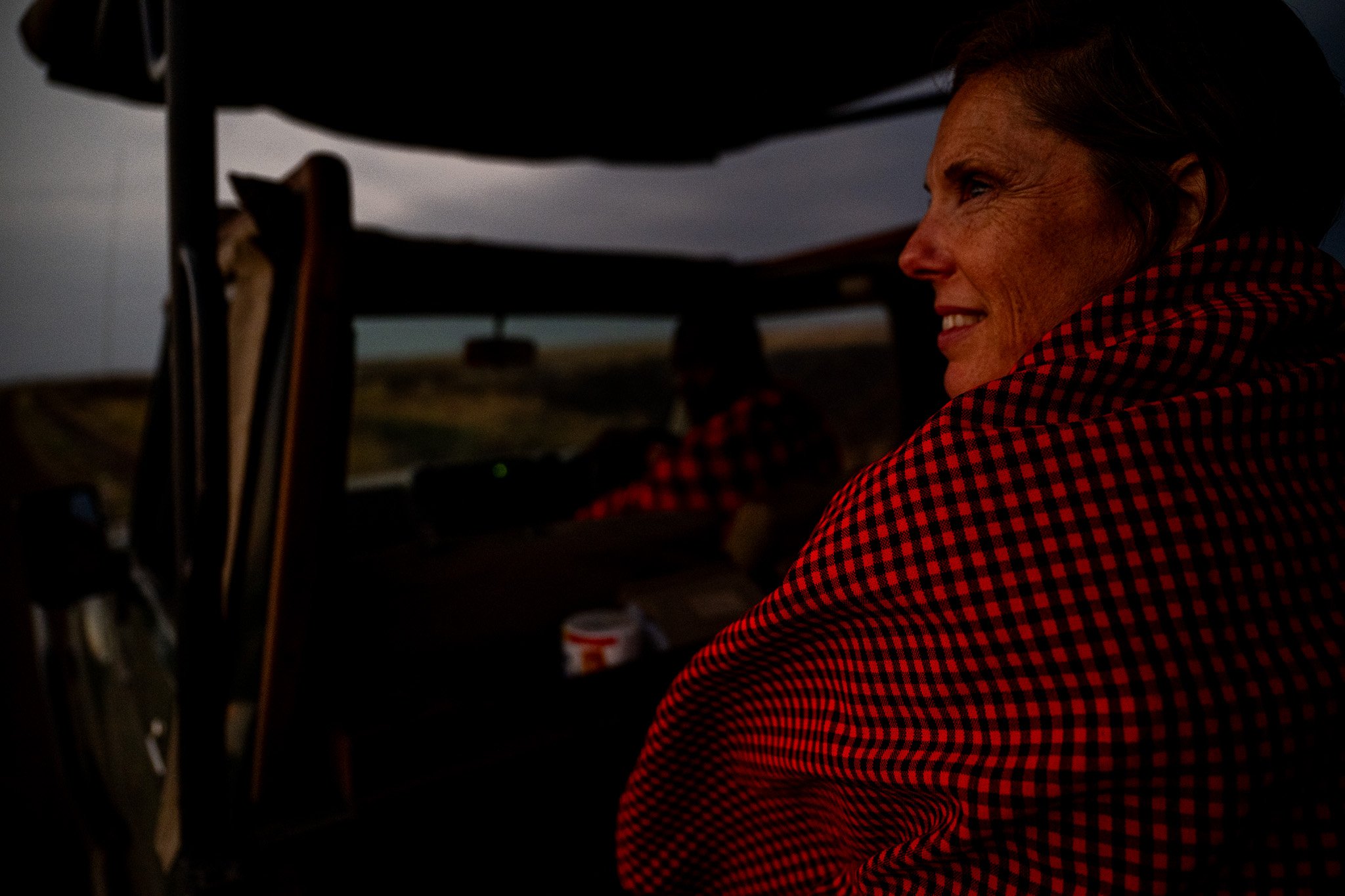
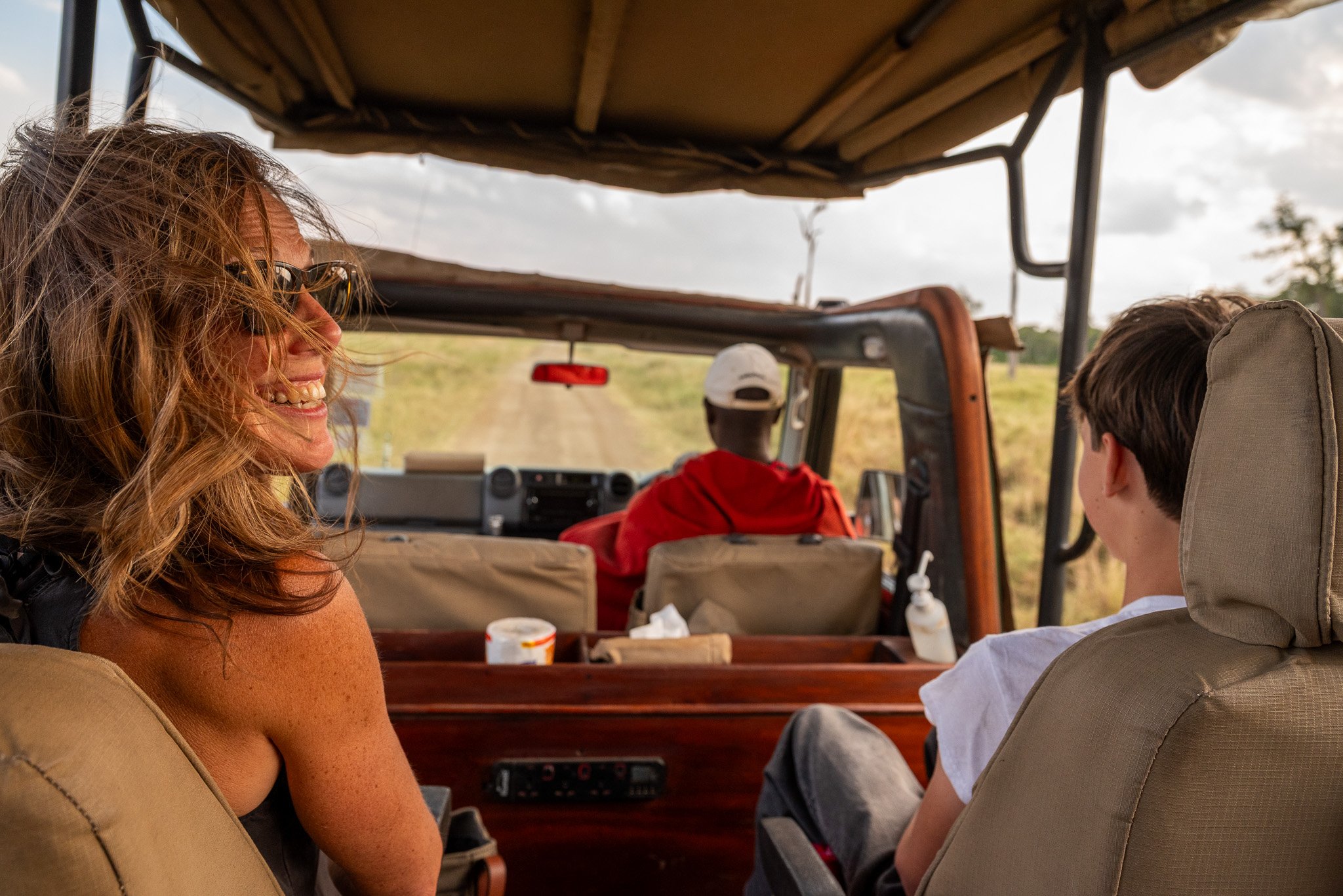
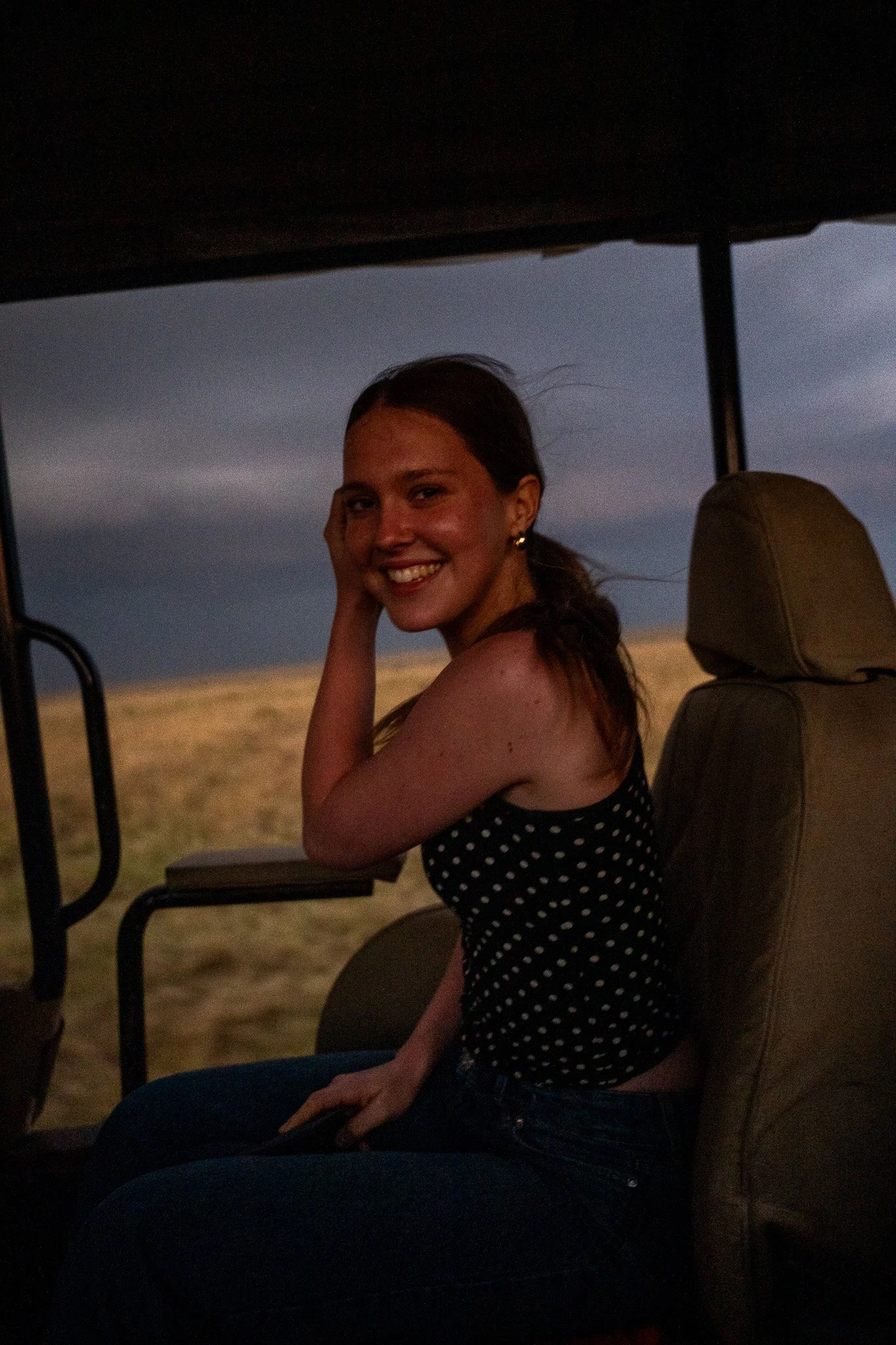
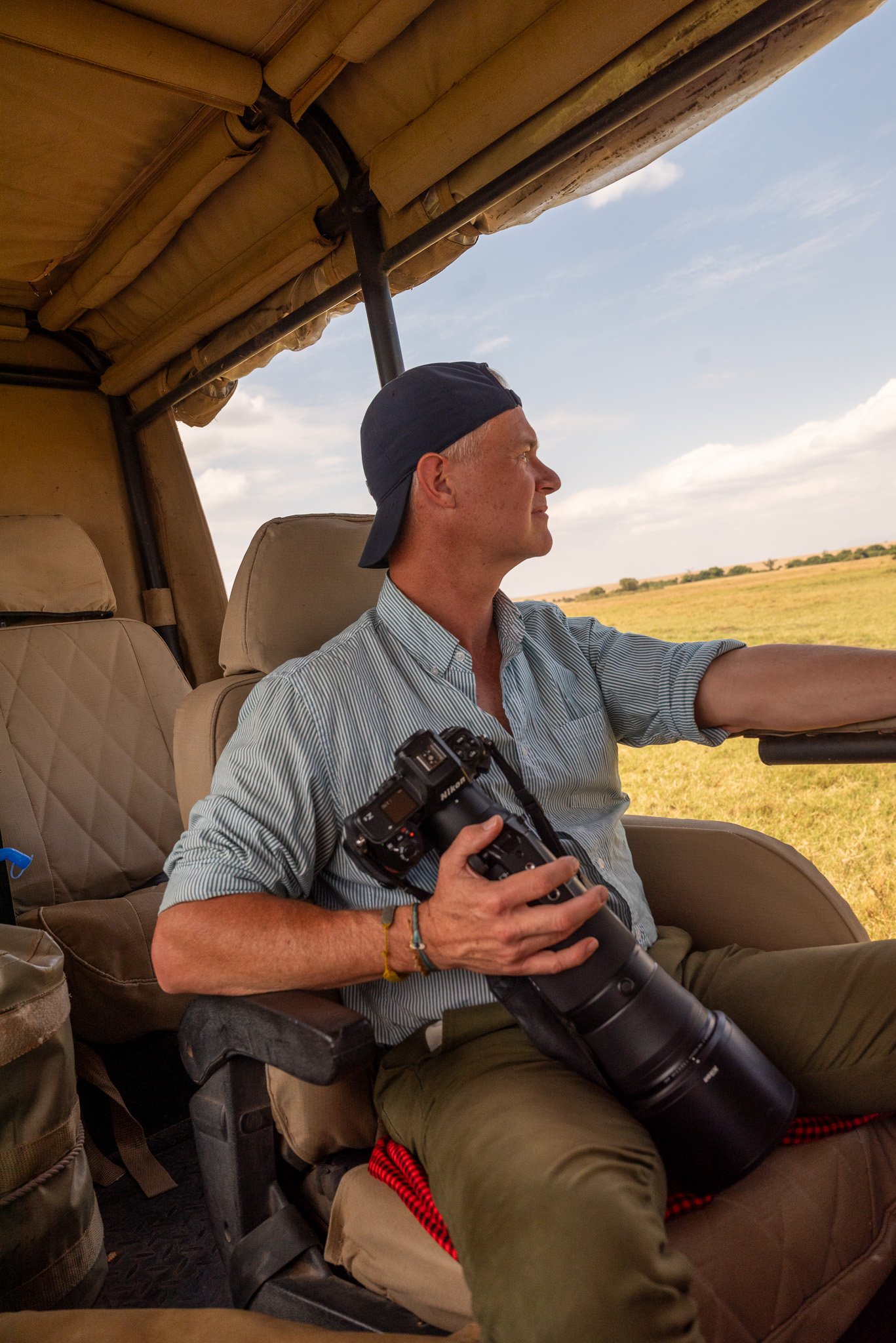
Our days quickly settled into an unhurried rhythm. A quiet knock came at 5:45 each morning, coffee delivered to the tent before first light. By 6:20, we were already bouncing along dirt tracks while the Mara slowly woke around us. Somewhere behind the scenes, breakfast had been packed before anyone stirred. We returned to a leisurely three-course lunch, an hour or two to read, write in my journal, or simply watch the river below, then headed back into the bush as the afternoon softened toward evening. By the time we returned after dark, lanterns glowed around camp, and dinner somehow appeared as though it had always been waiting.
The older I get, the more I notice invisible competence. Whenever something appears completely effortless, I know it almost certainly isn't. The best teachers, the best photographs, the best restaurants, and the best hospitality all share the same quality. They conceal an extraordinary amount of work. Long before I woke to that first cup of coffee, someone else had already been awake. Before we left on safari, breakfast was packed. Before sunset, tables were being set, and fires quietly tended. The magic wasn't accidental. It was crafted so carefully that it disappeared.
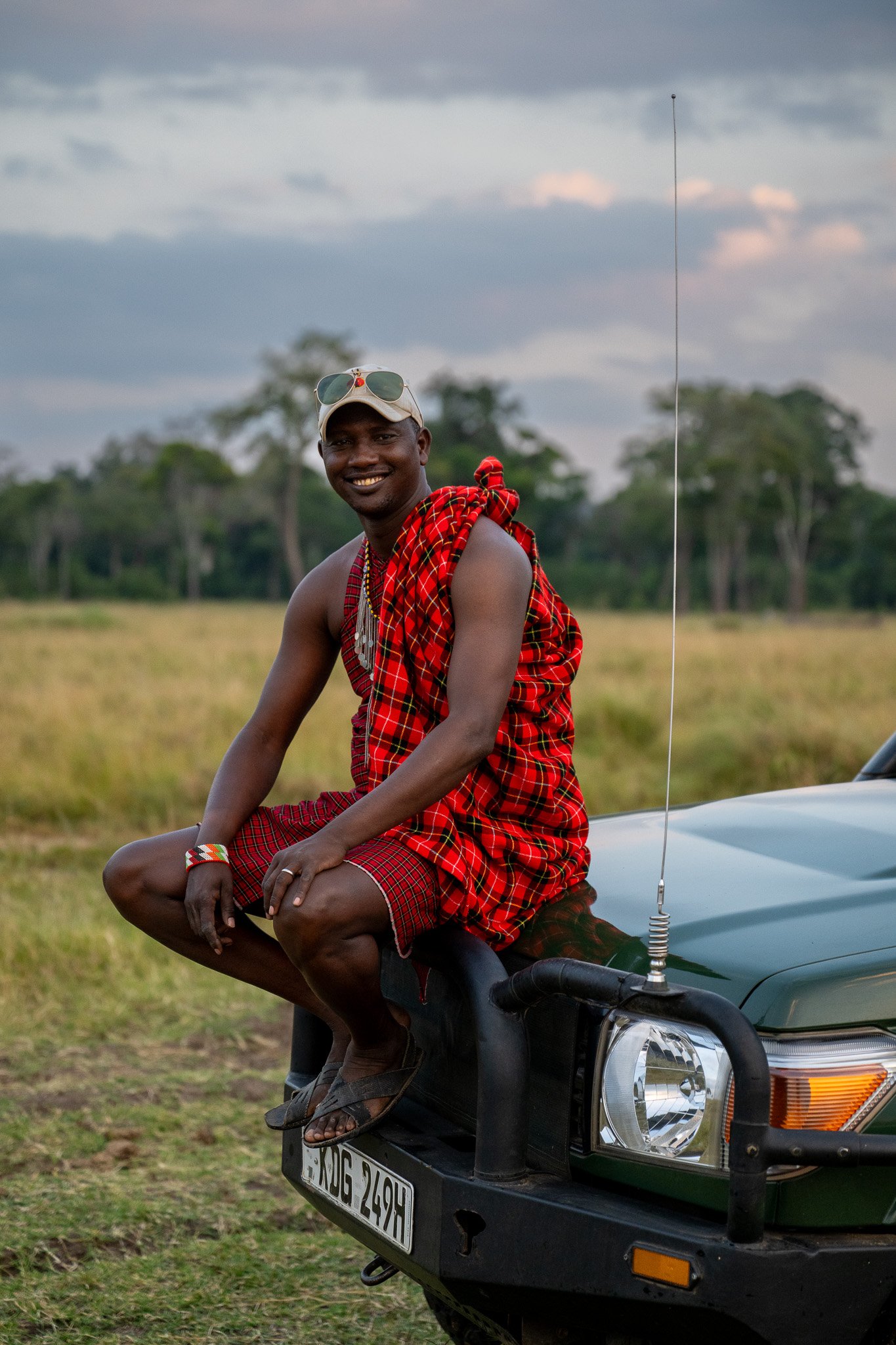
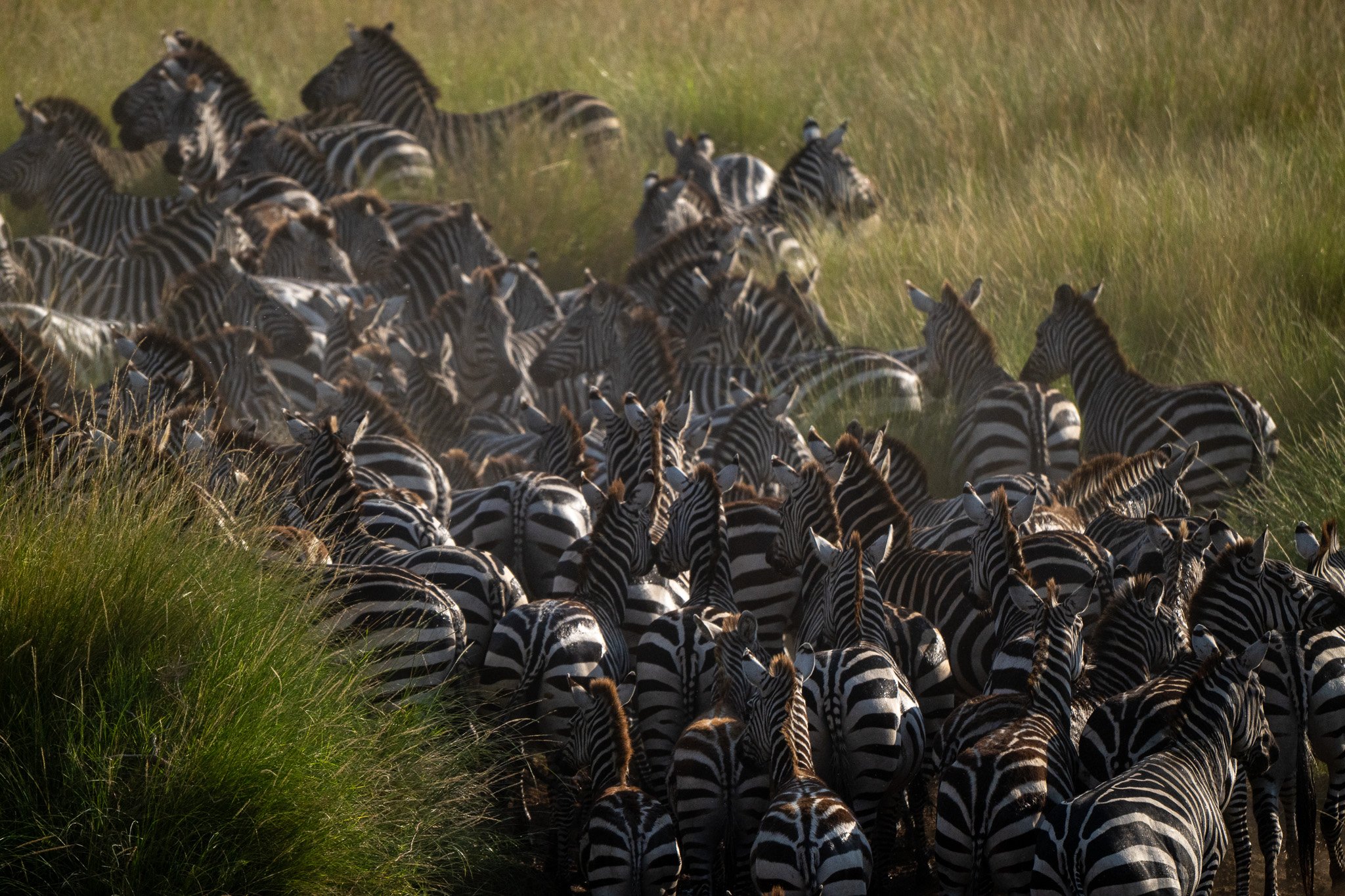
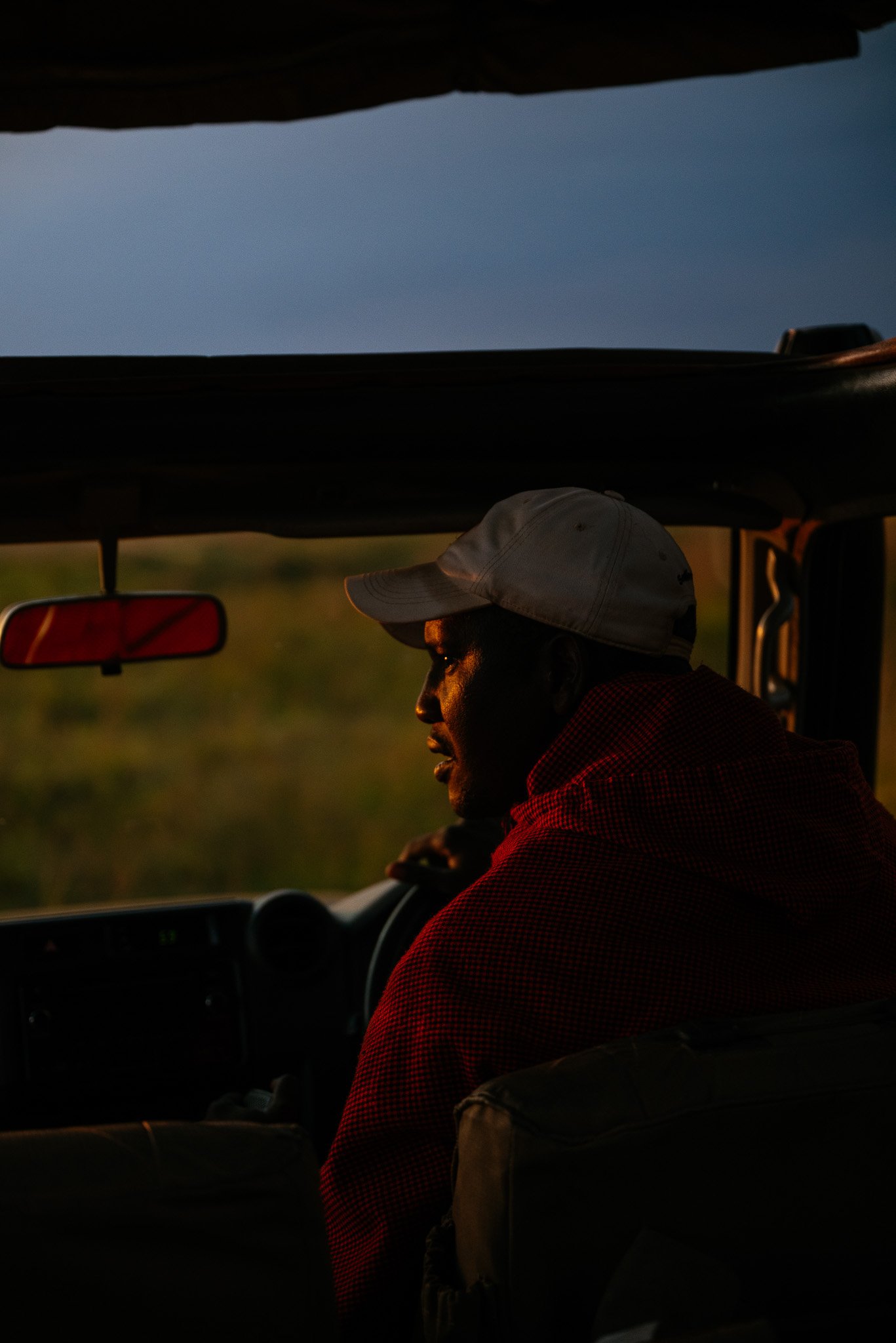
One afternoon, our guide, Jonathan, slowed the vehicle. Jonathan, a Silver-level tracker had noticed a lone zebra moving toward the river. Then another. Within minutes, hundreds emerged from behind the brush, funneling toward a crossing.
A handful stepped into the water.
"The brave ones," Jonathan said.
Then they bolted back out.
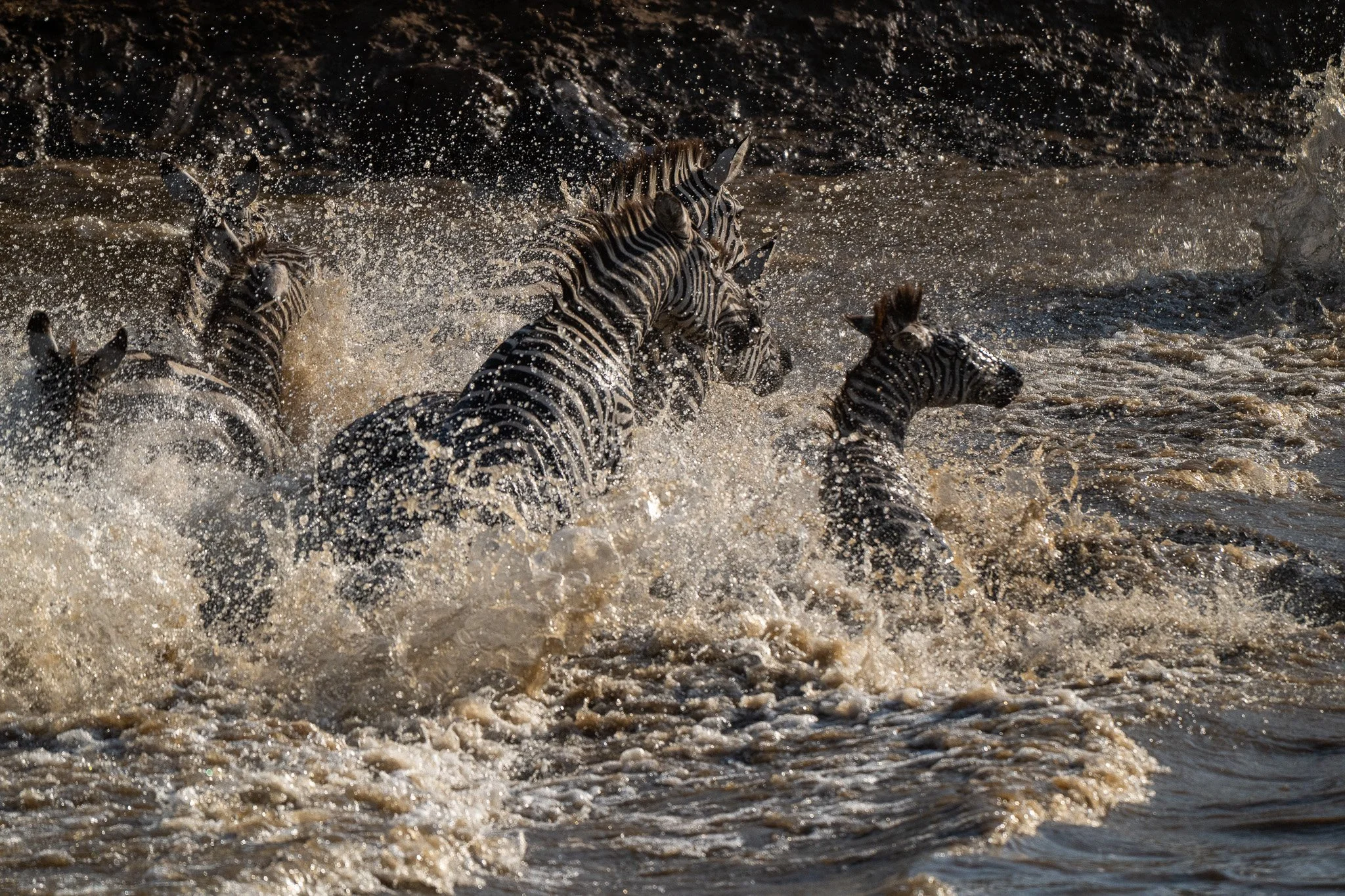
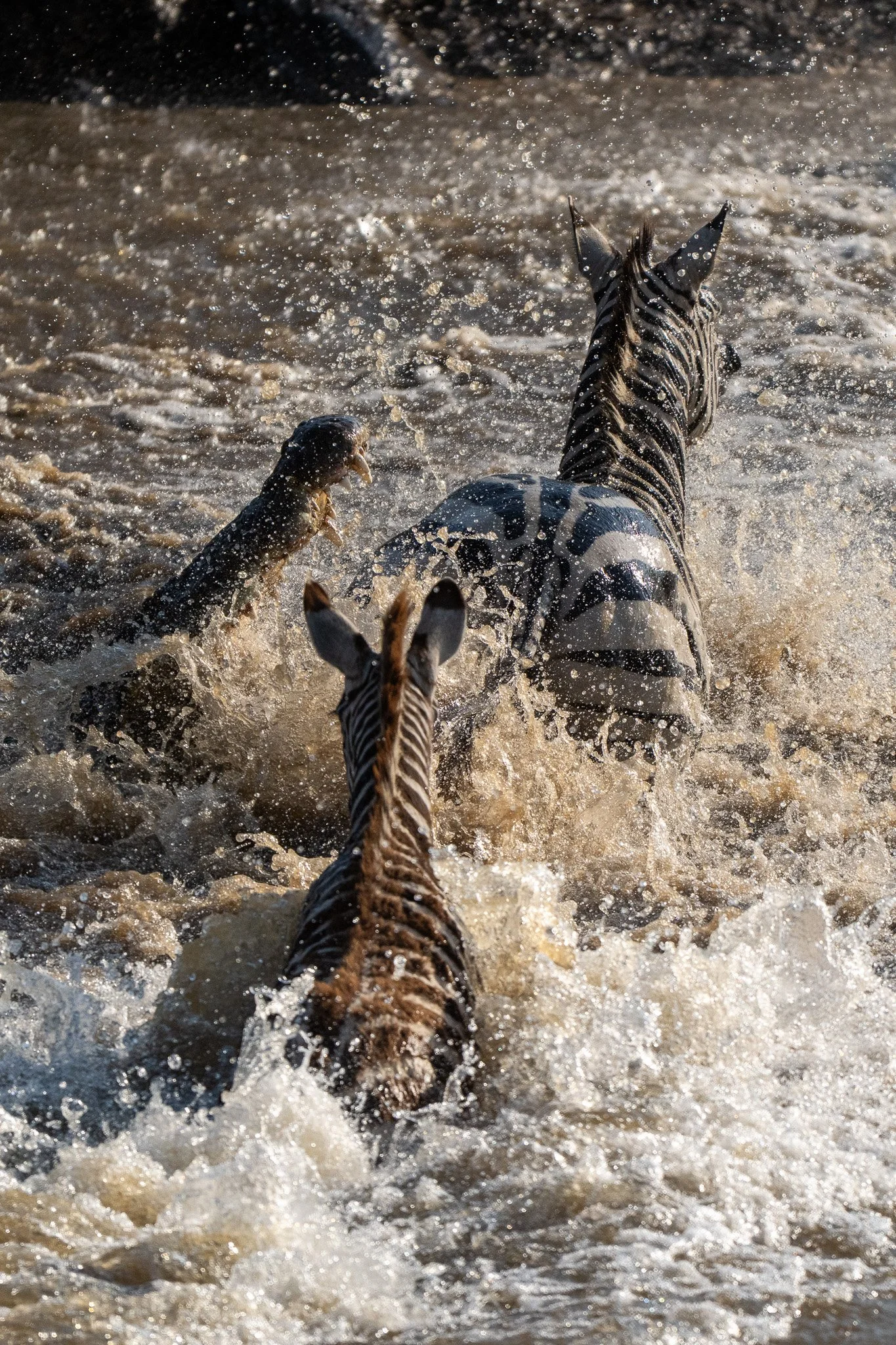
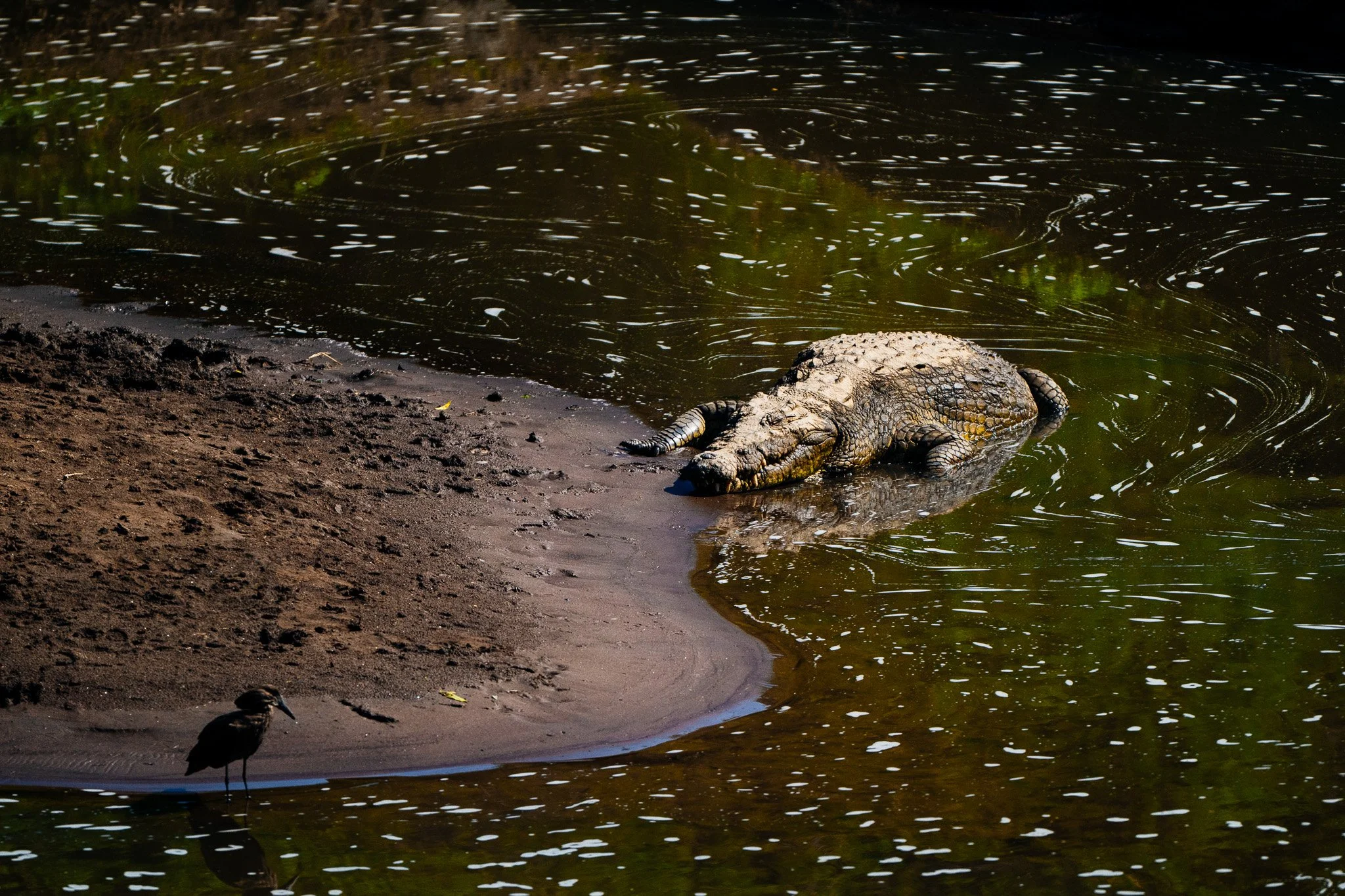
Massive crocodiles exploded from the river, sending the first zebras scrambling for shore. Everything stopped. For nearly ten minutes, the herd moved nervously along the bank while crocodiles drifted just beneath the surface and hippos surfaced quietly farther downstream.
Then, without warning, something changed.
No command.
No leader.
Just thousands of animals deciding, almost simultaneously, that now was the moment.
The river erupted.
Hooves pounded the banks. Braying drowned out my thoughts. Water exploded in every direction as crocodiles lunged into the chaos. Dust rose from both sides of the river while the first zebras climbed the opposite bank, and thousands more continued pouring in behind them.
It lasted less than ten minutes.
When it was over, the river grew quiet again.
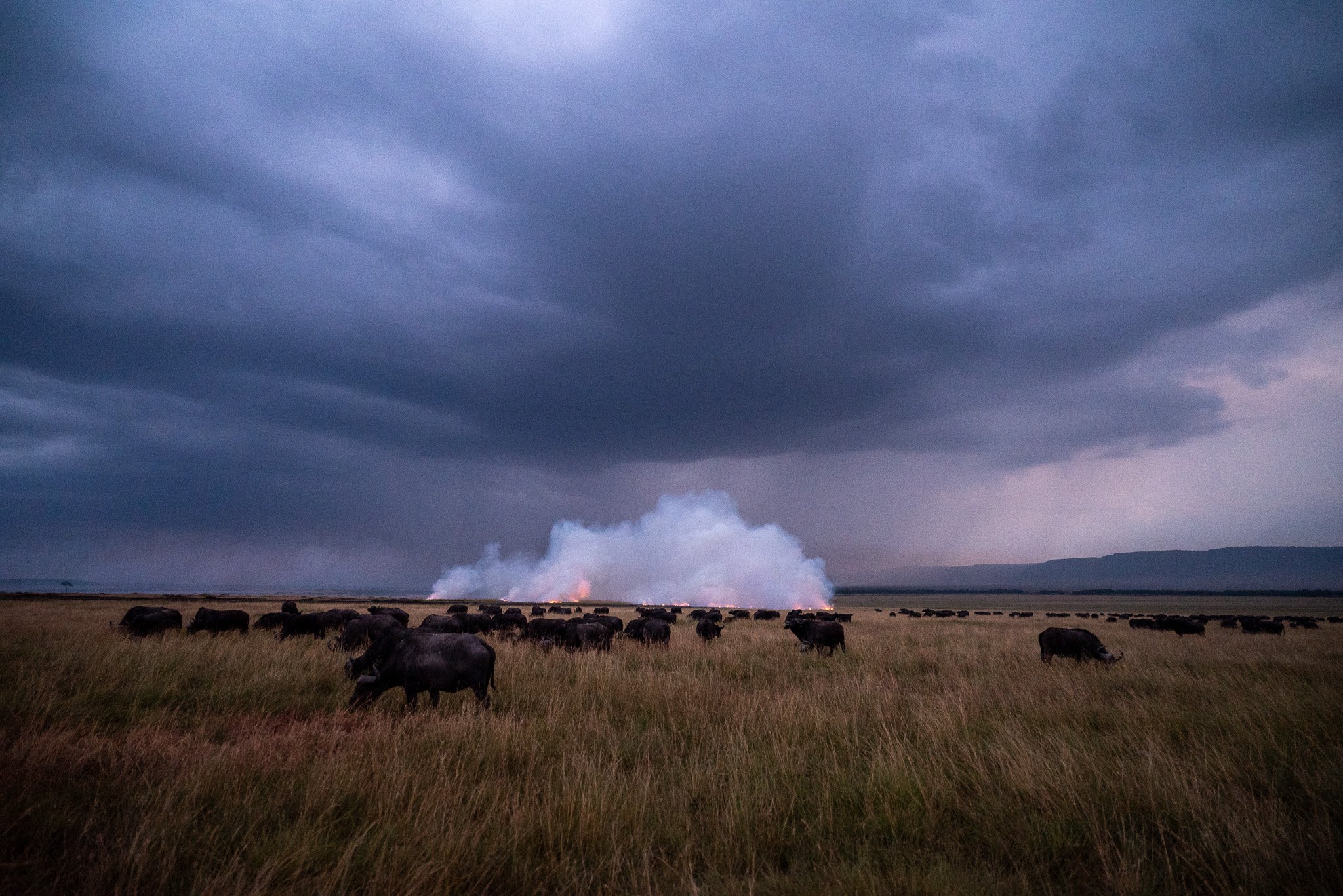
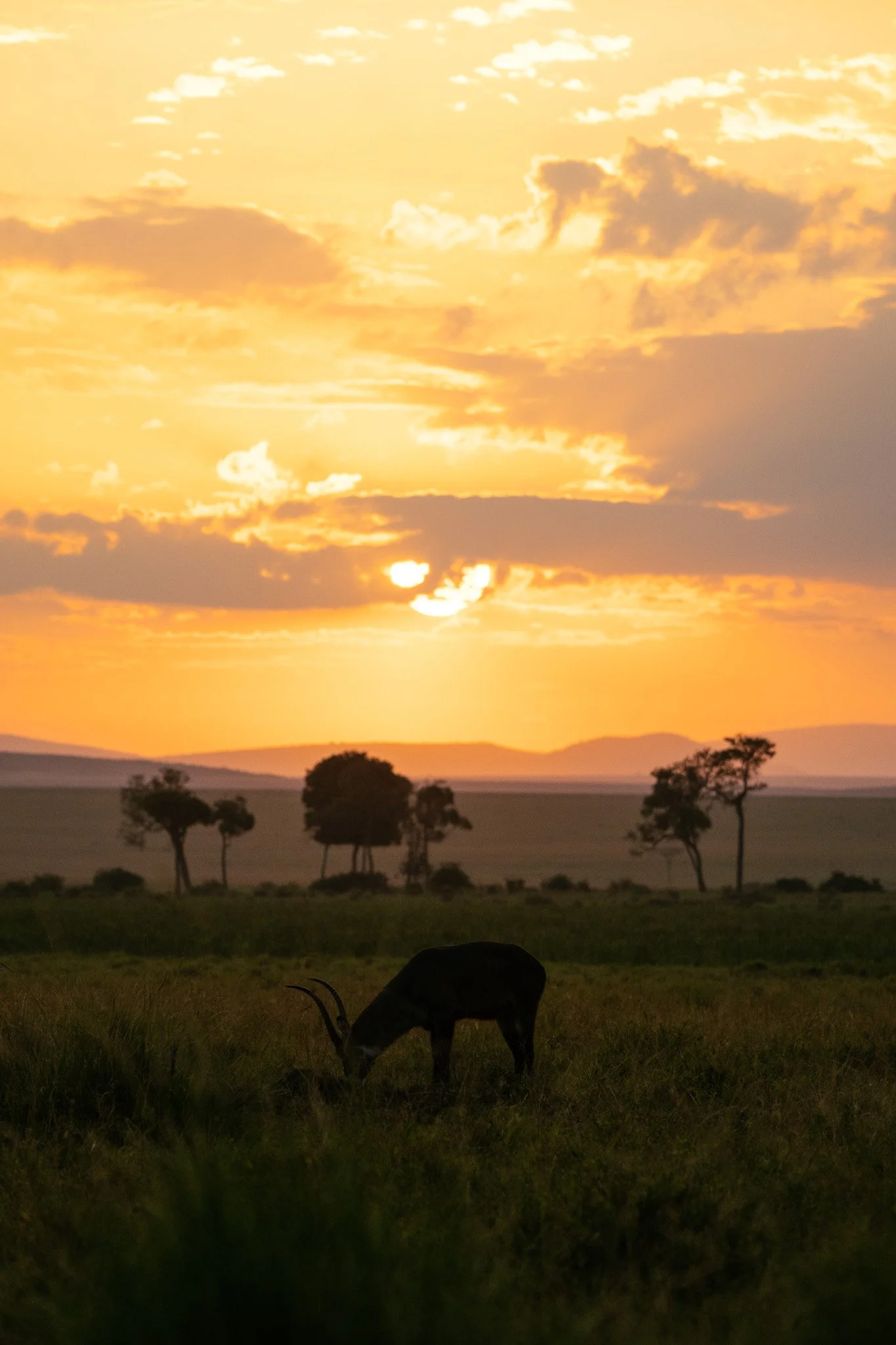
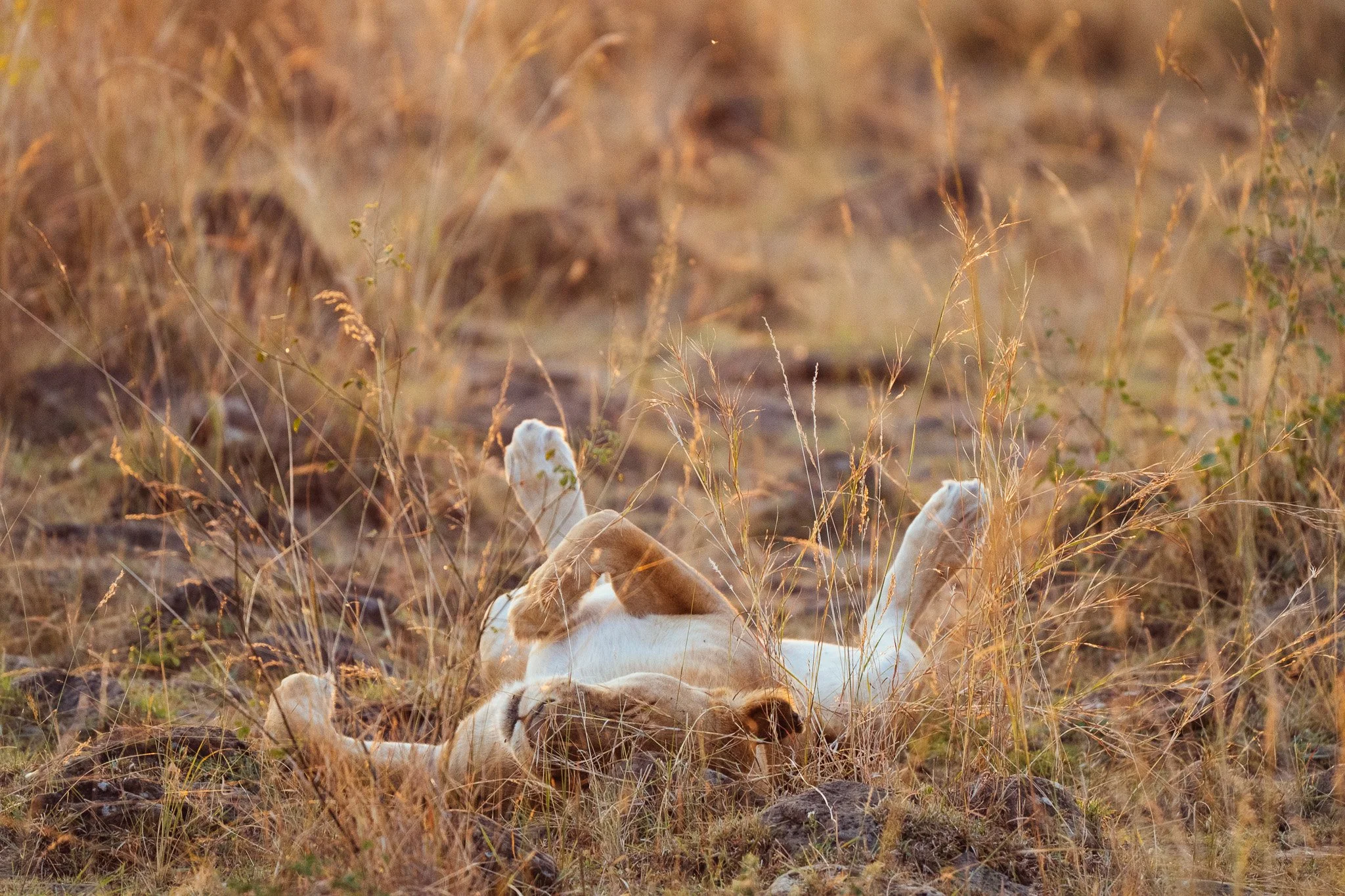
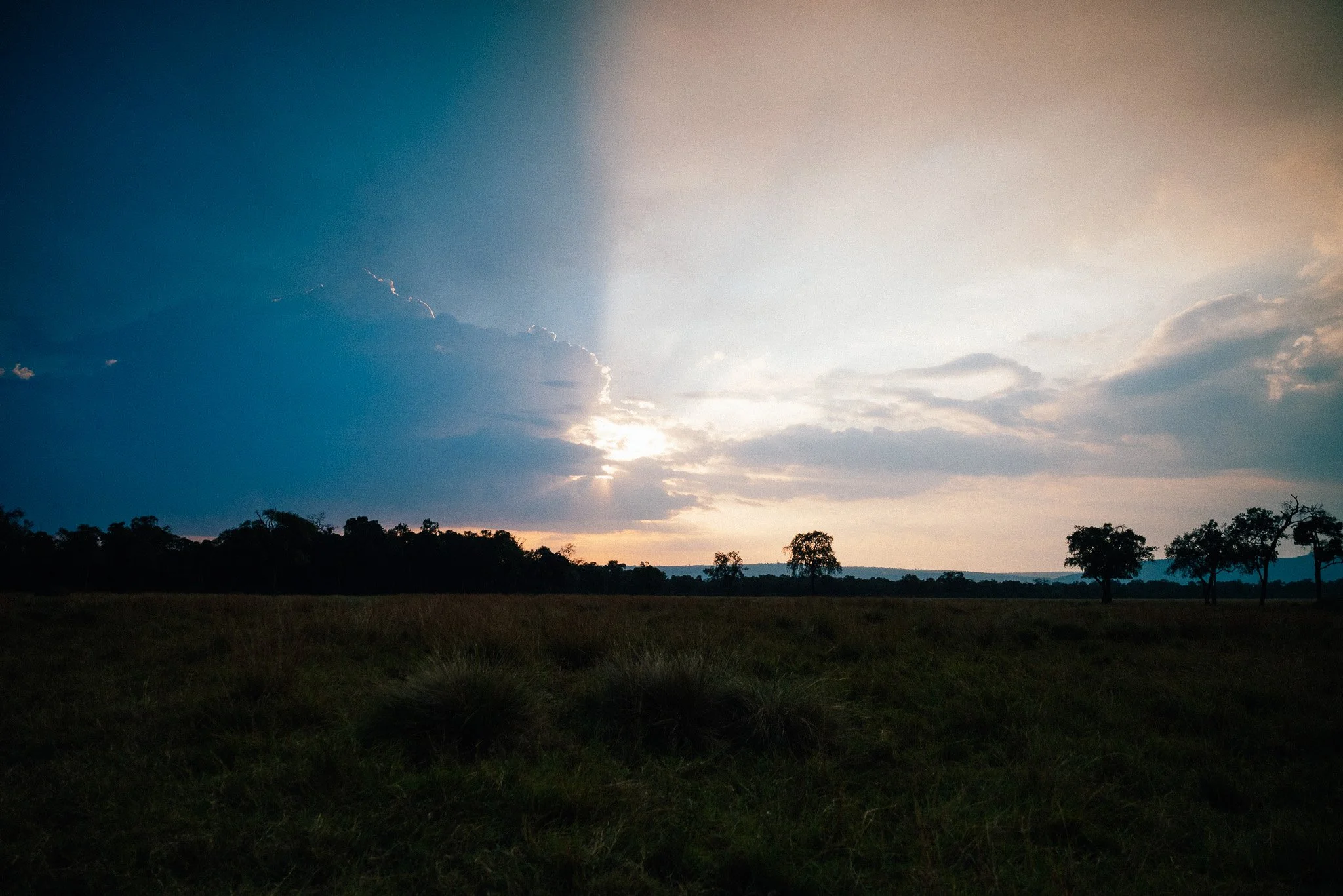
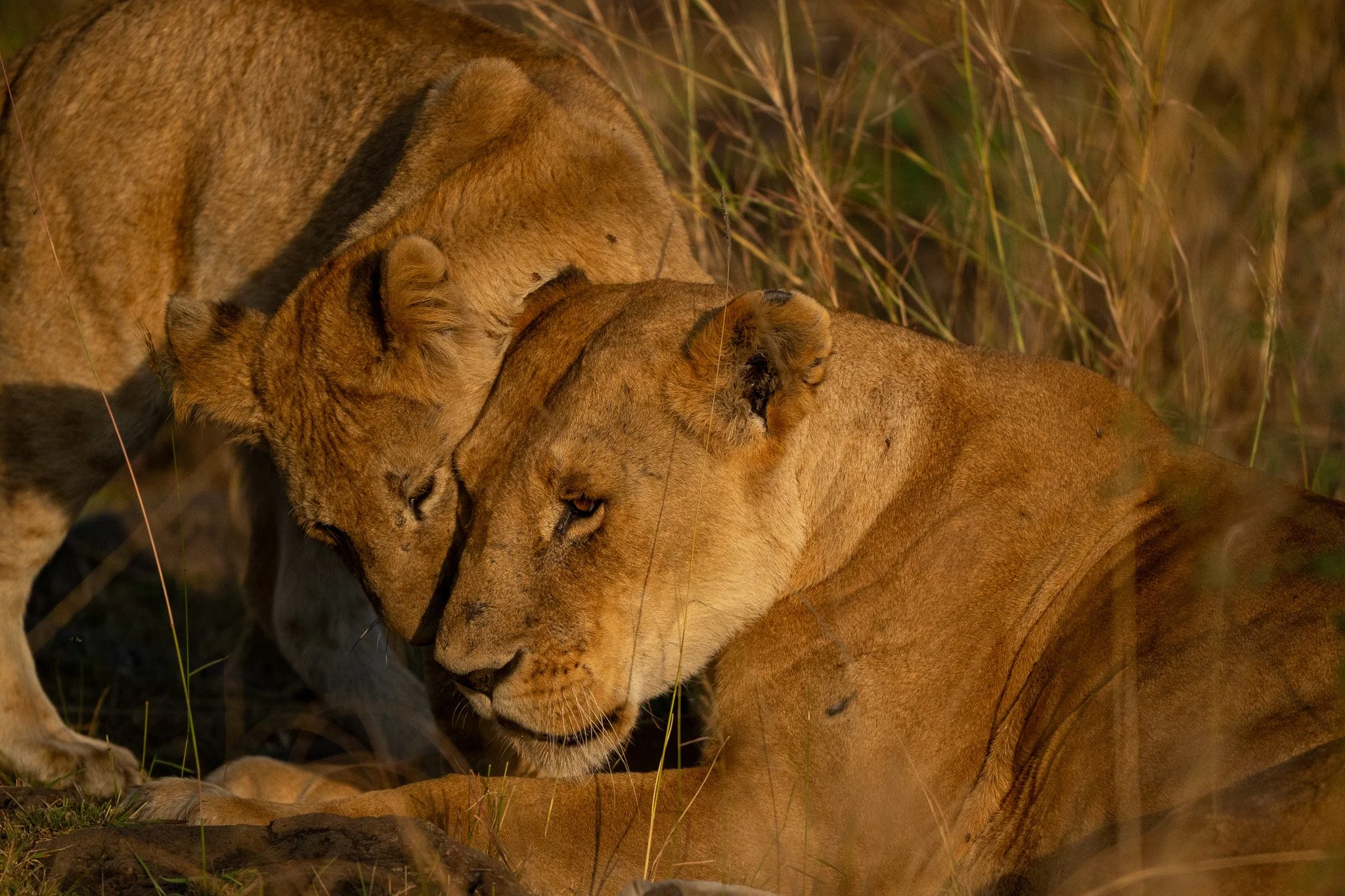
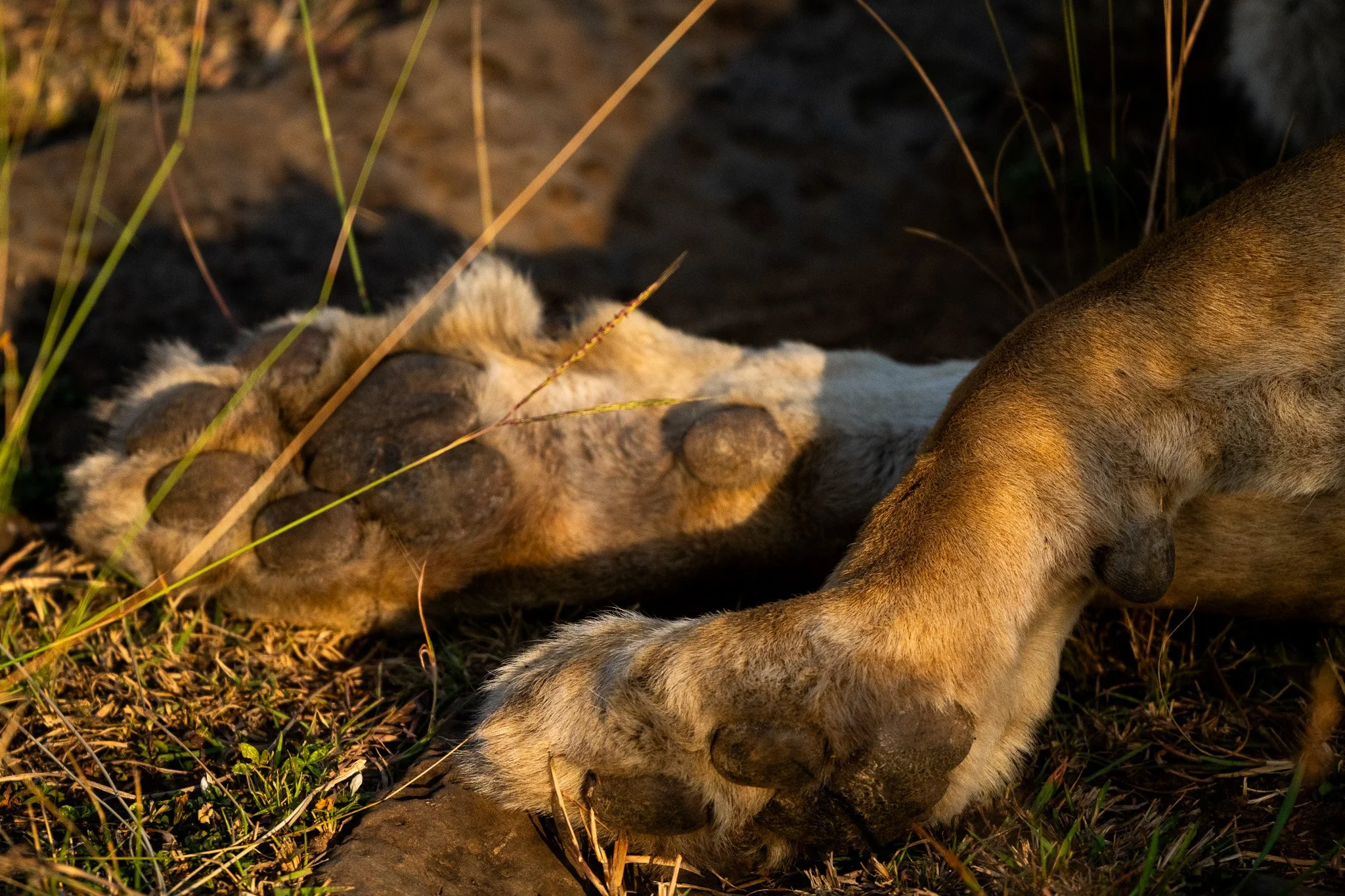
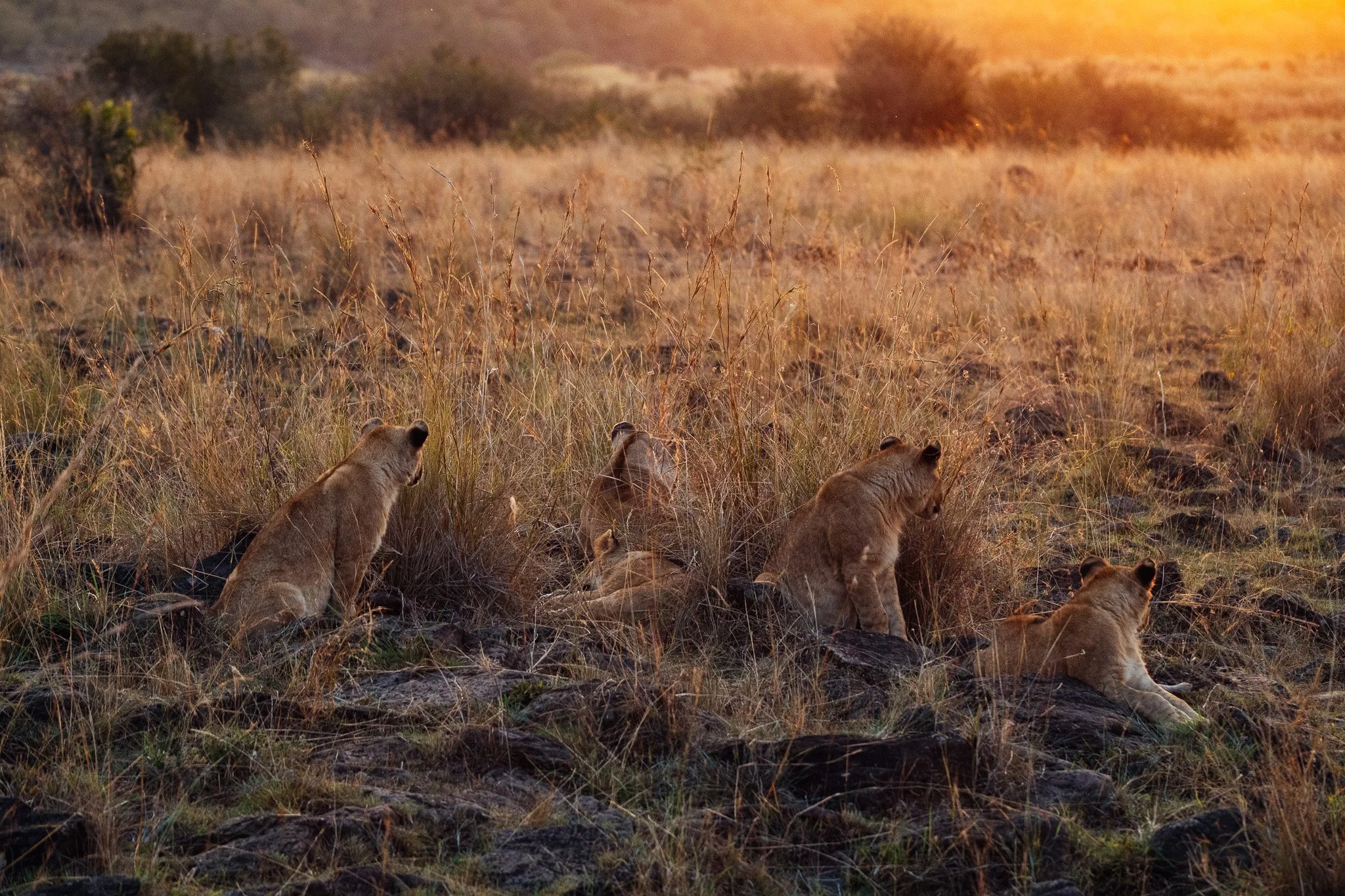
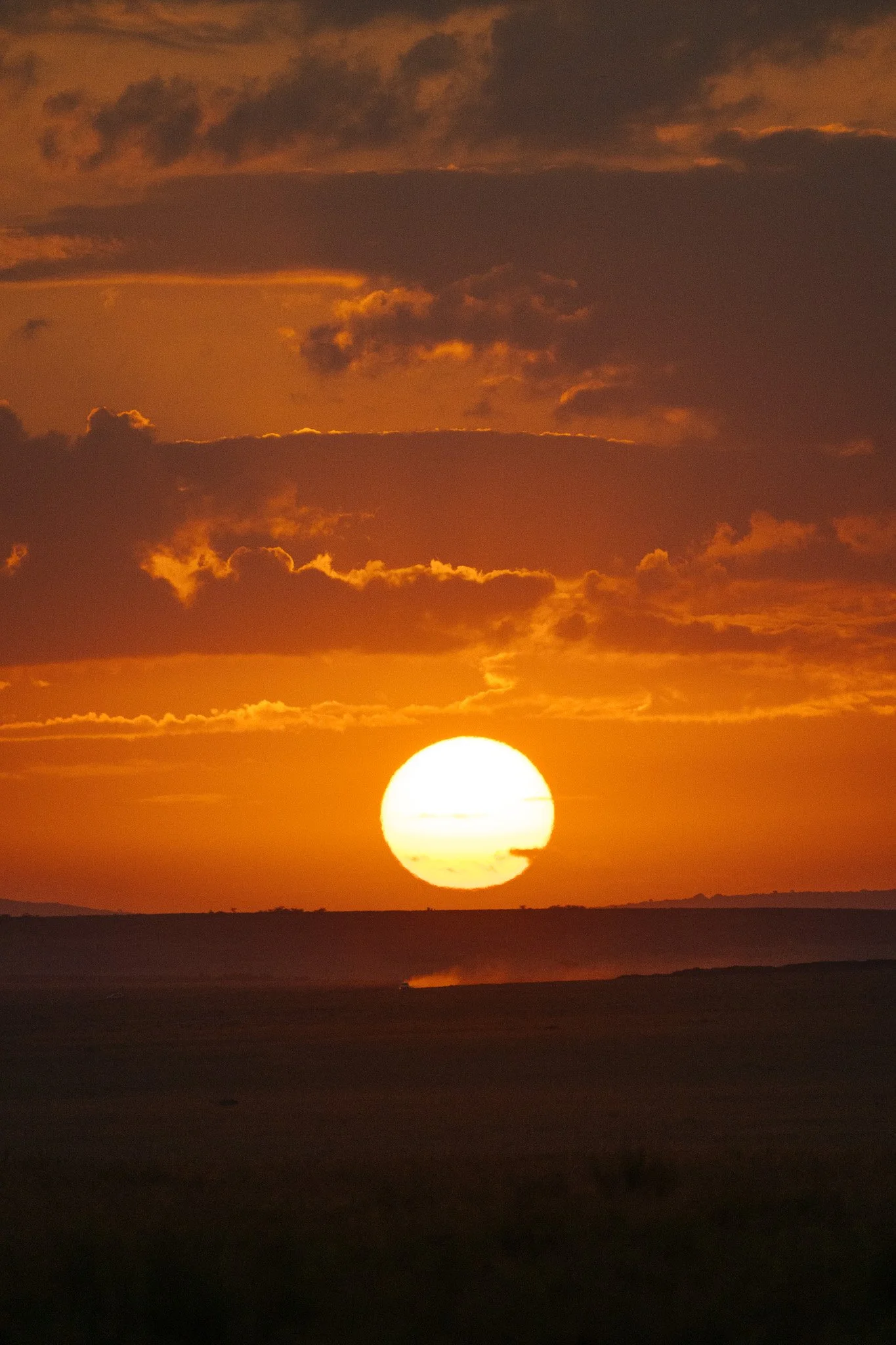
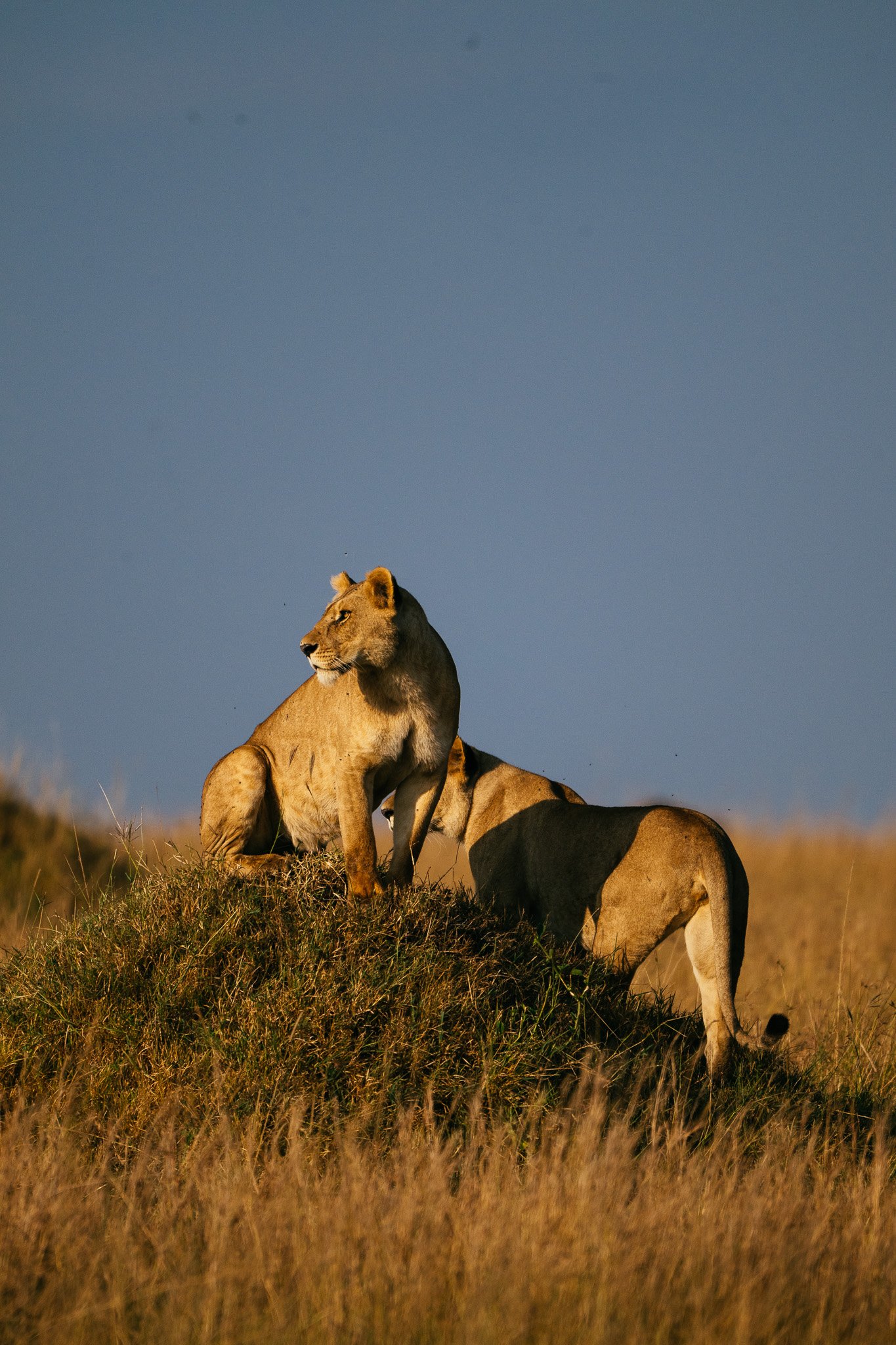
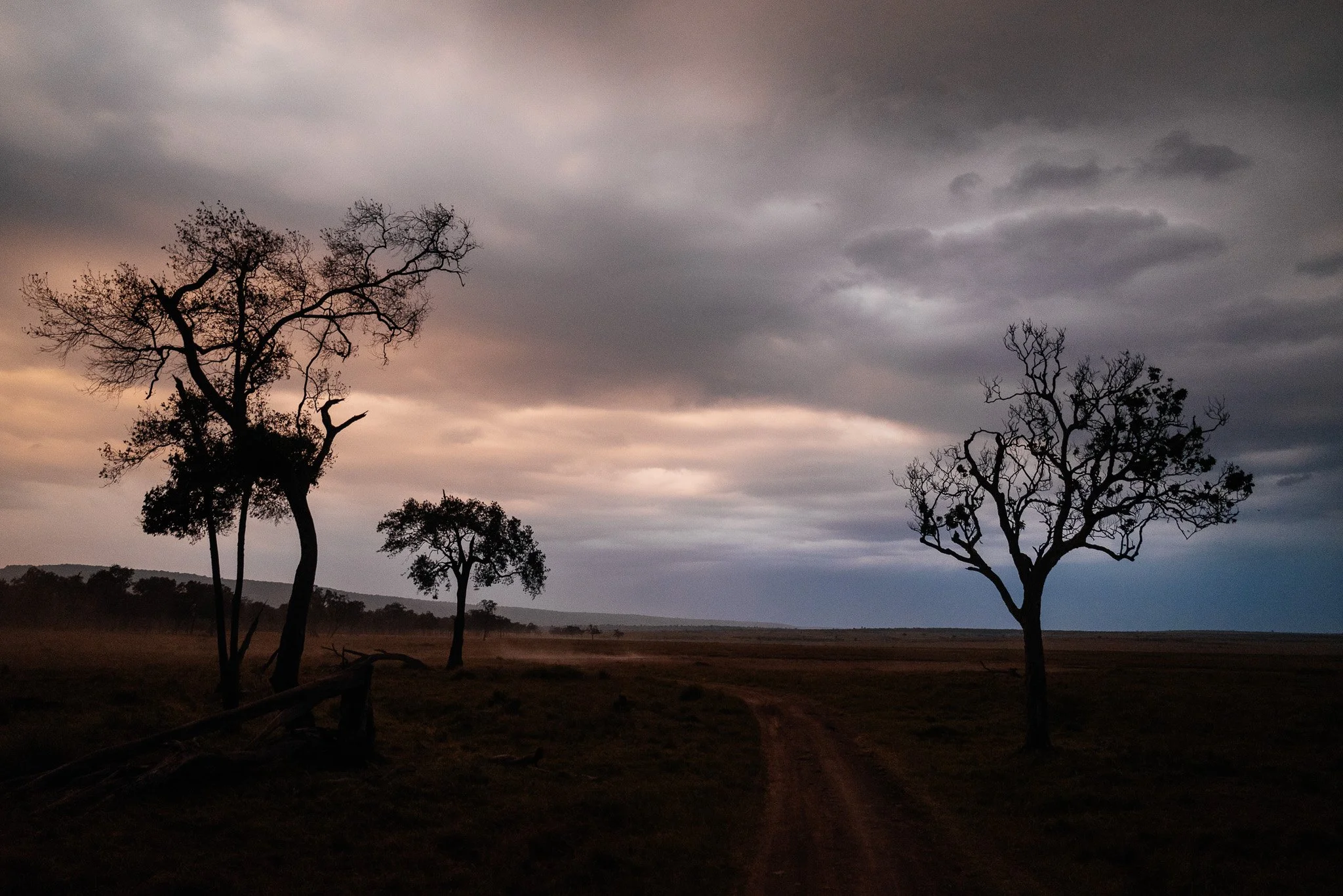
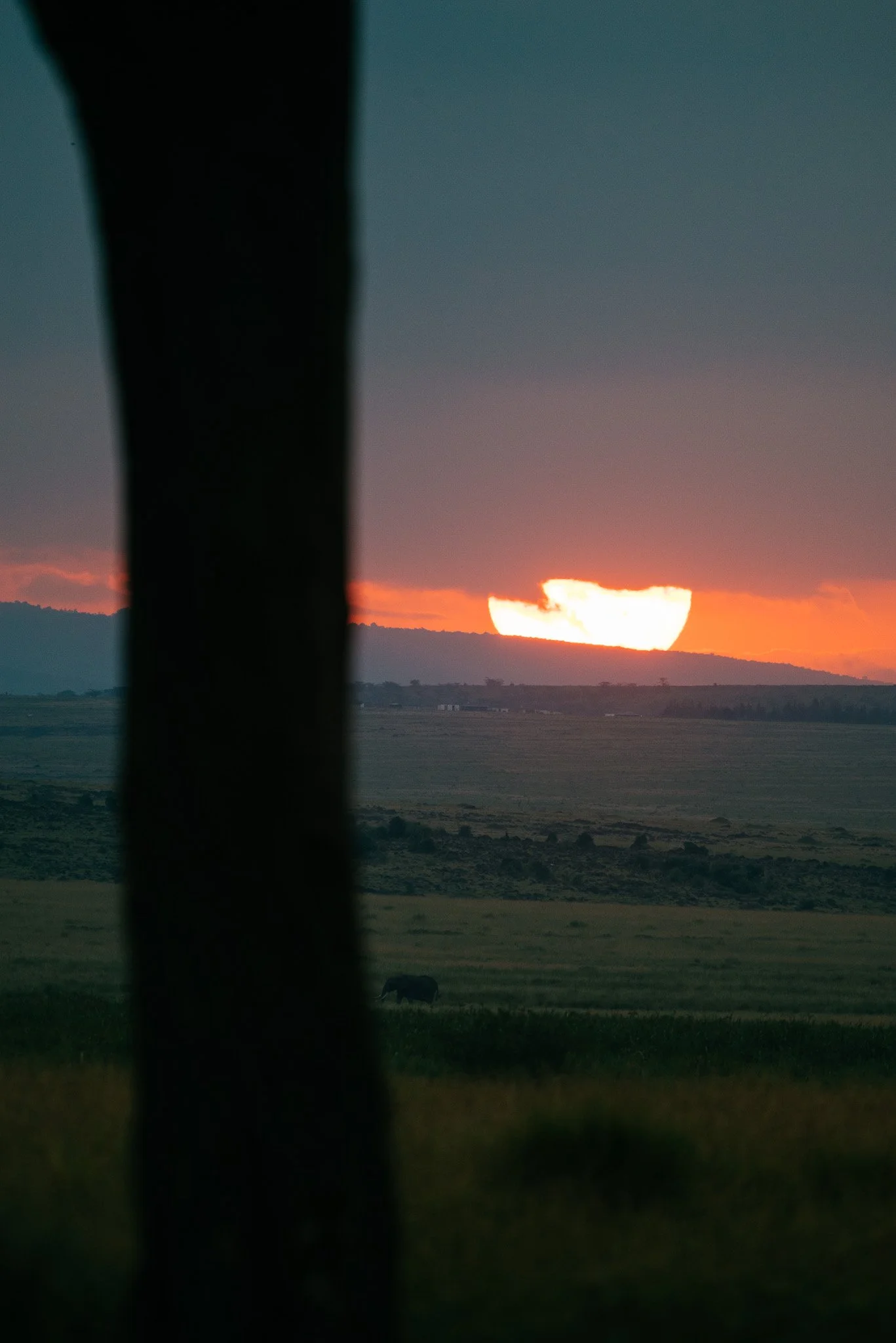
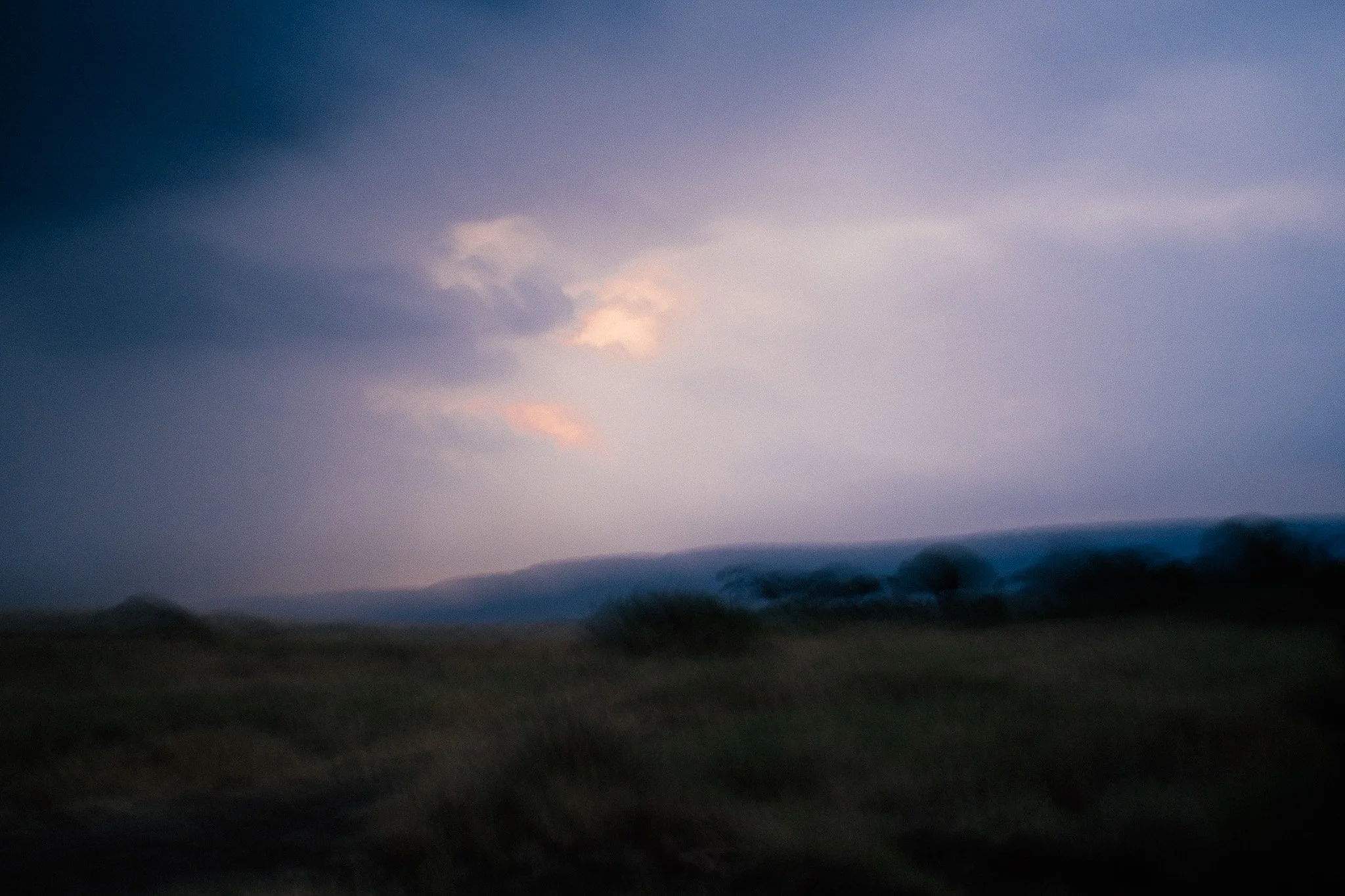
We drove farther south, where nine lionesses sprawled across a hillside while nearly grown cubs lay in the fading light. Lightning flickered across the horizon without a sound. It may have been the largest sky I've ever seen, changing colors faster than I could photograph.
Darkness had settled by the time we returned to camp.
Instead of leading us toward the dining tent, one of the staff smiled and quietly motioned for us to follow.
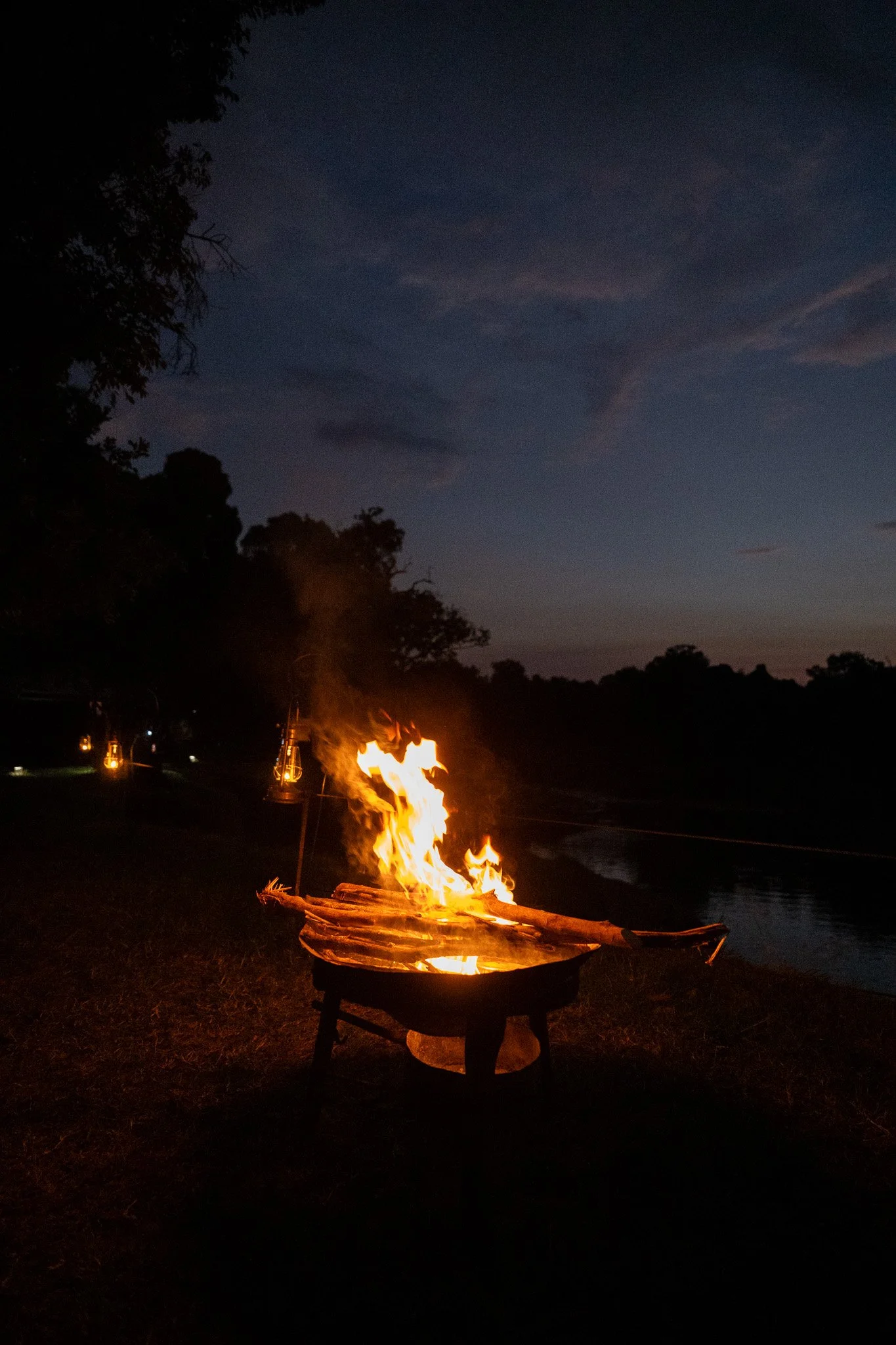
We walked down a narrow, lantern-lit path until the trees opened into a small clearing.
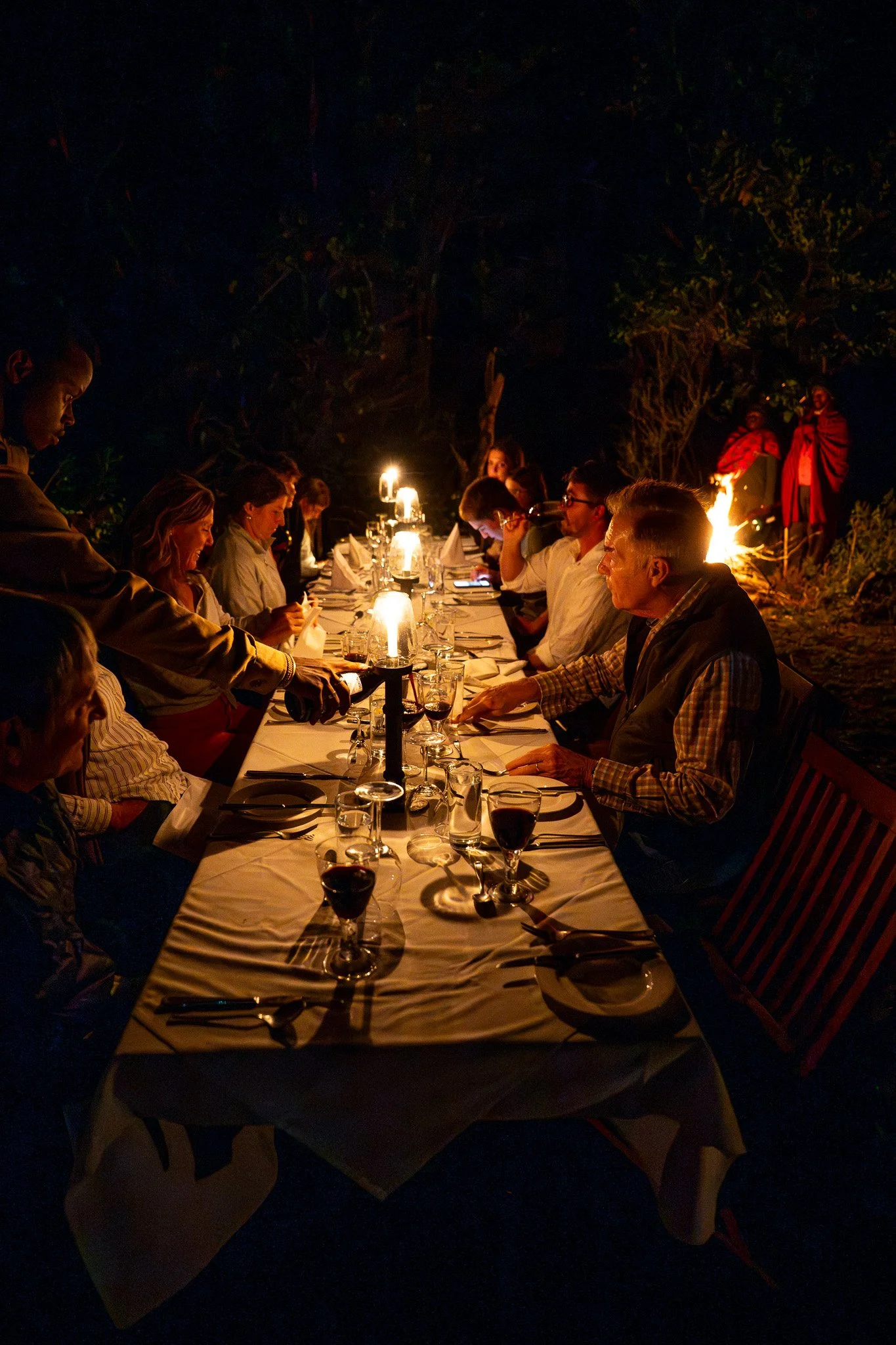
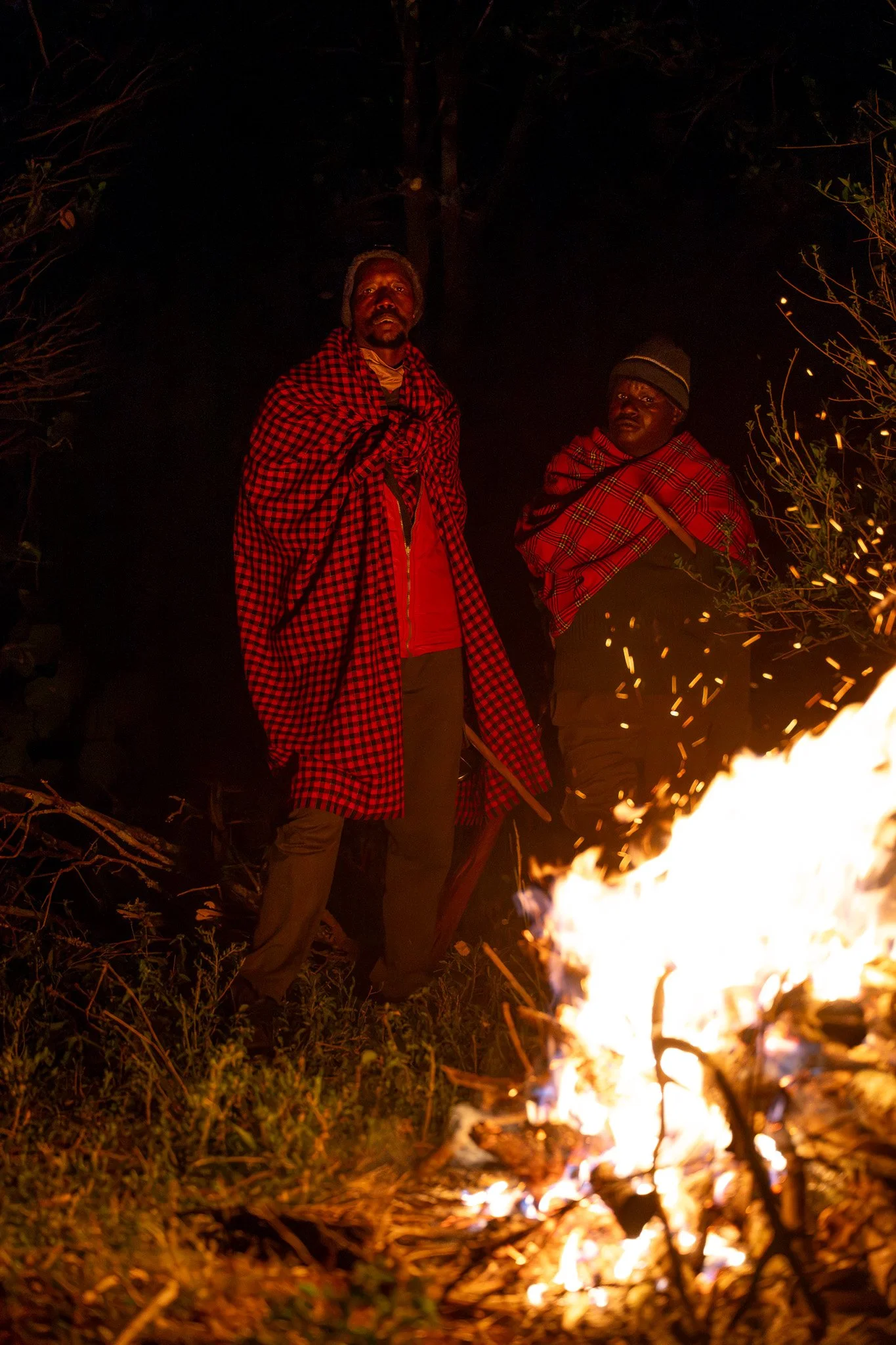
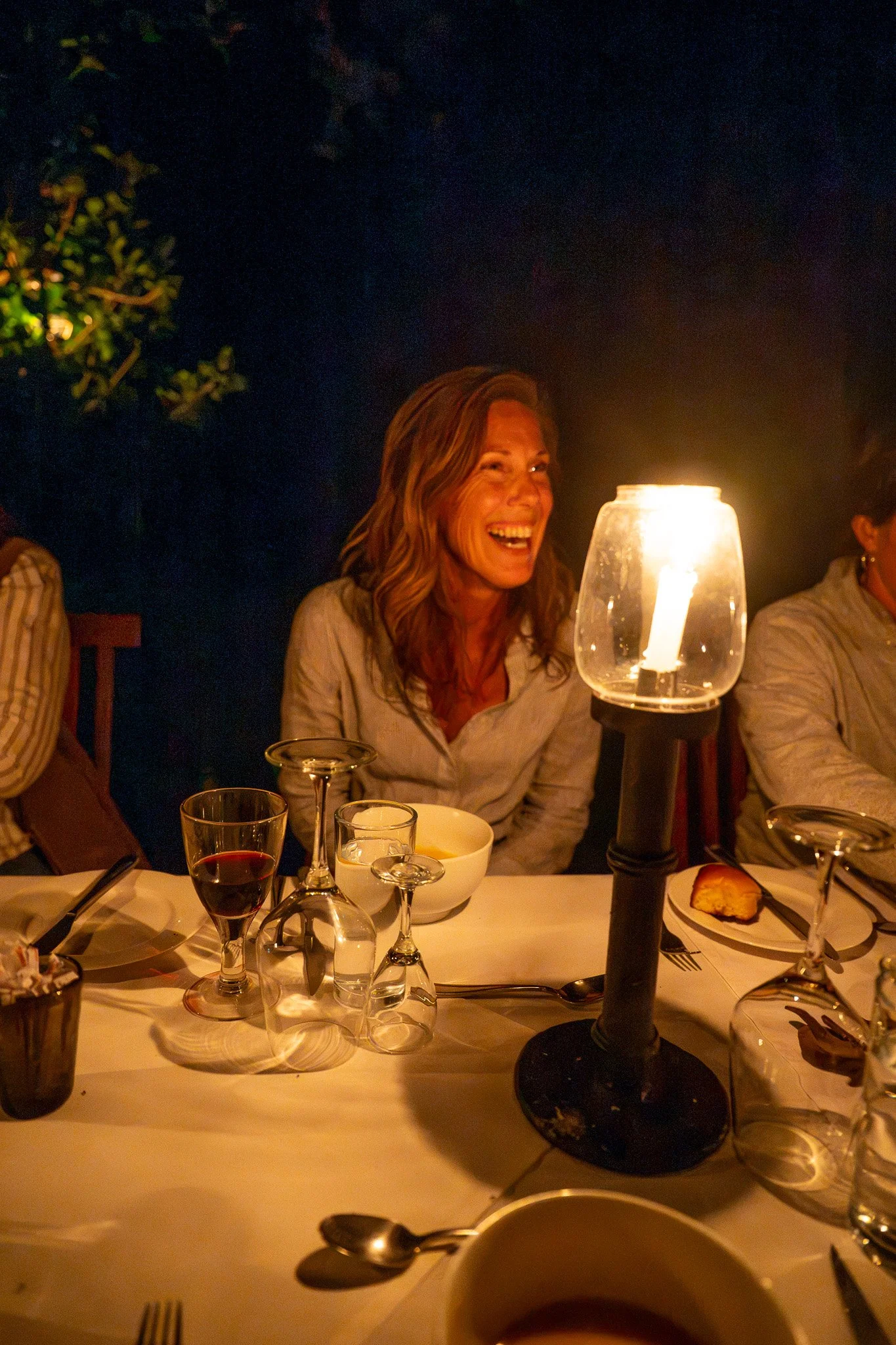
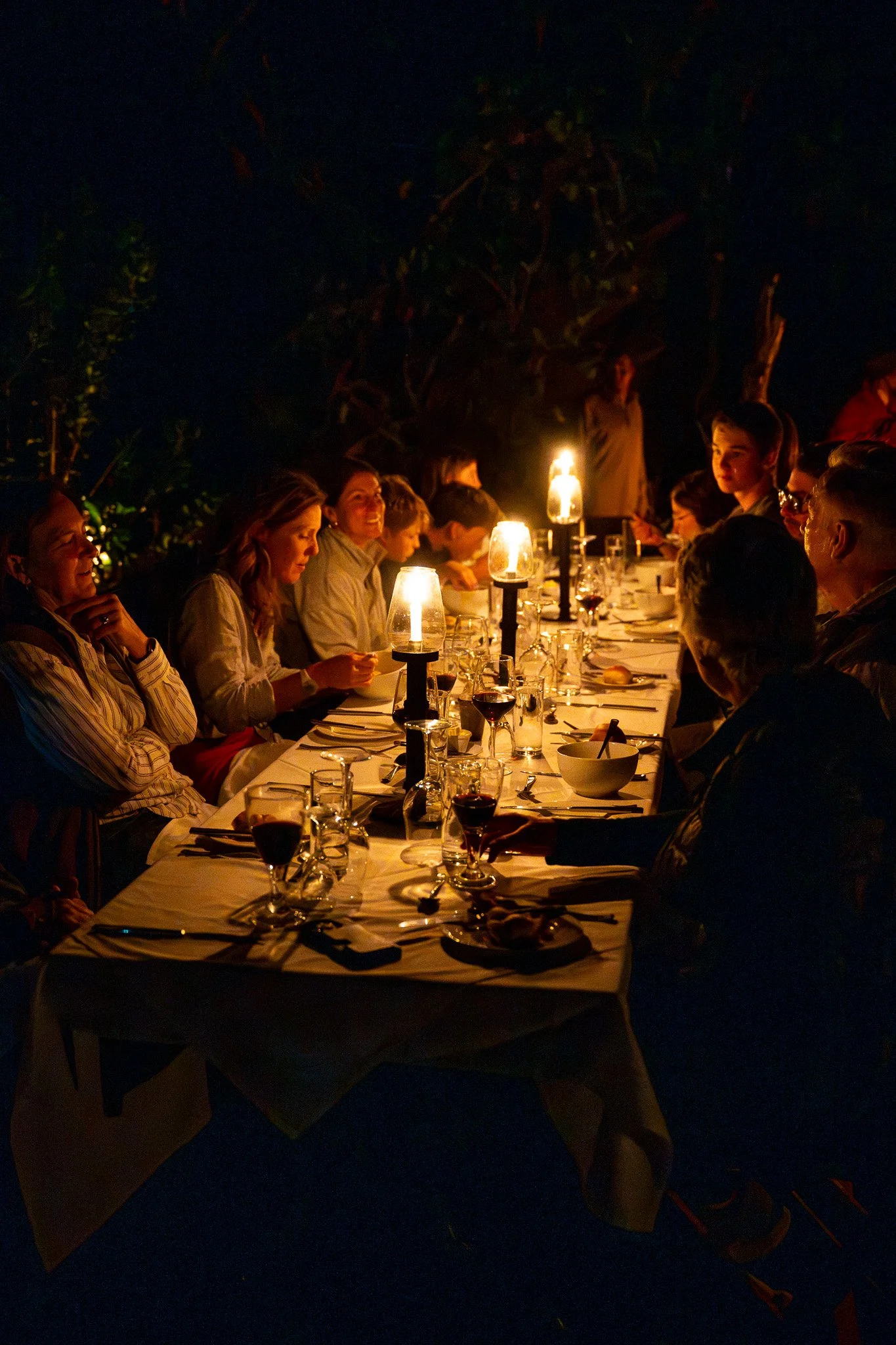
A long table waited beneath the stars, candles flickering in the evening breeze. Just a few feet away, a Maasai elder tended an open fire.
For a few moments, neither of us said much.
Dinner had somehow materialized in the middle of the Mara.
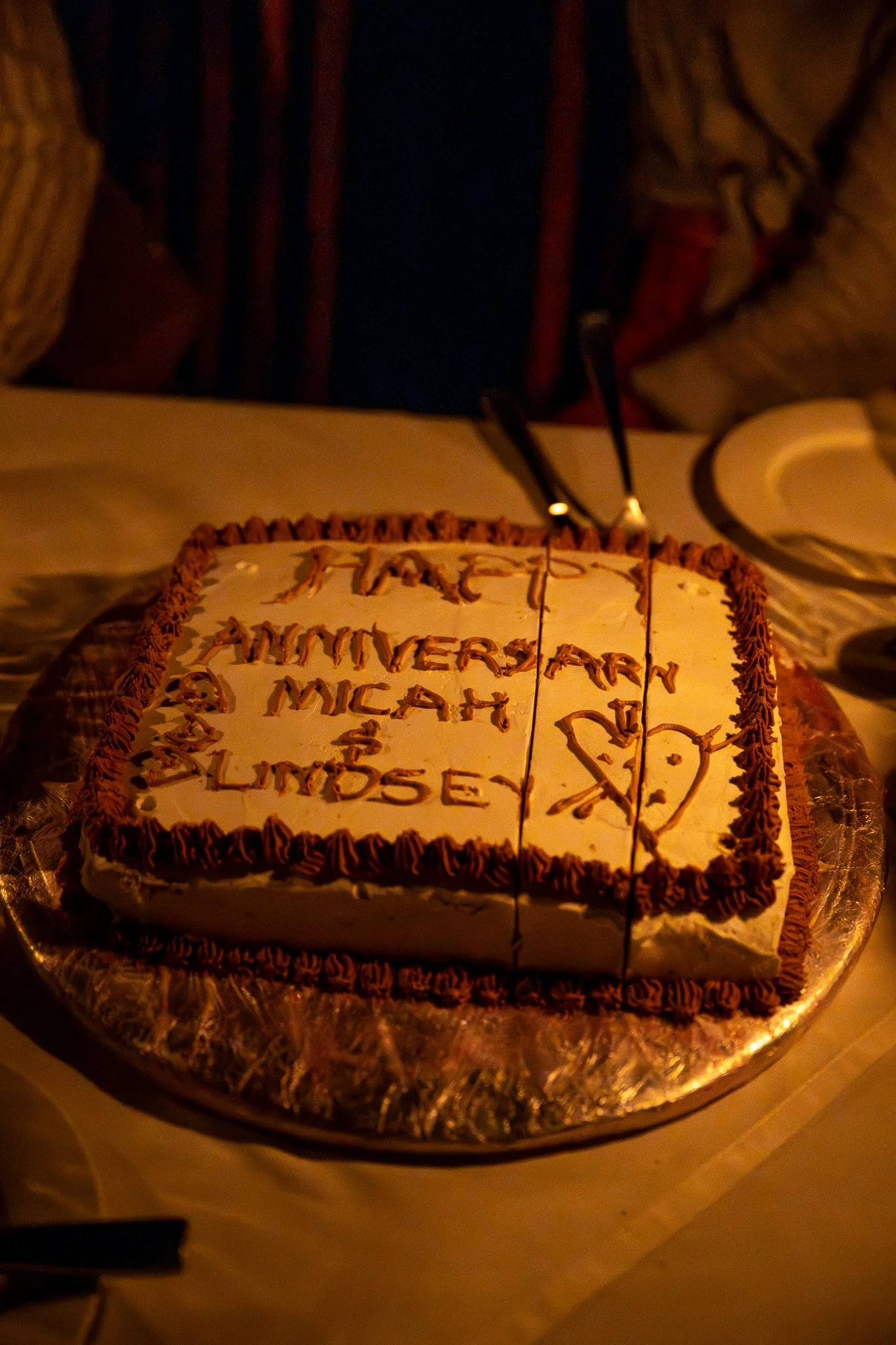
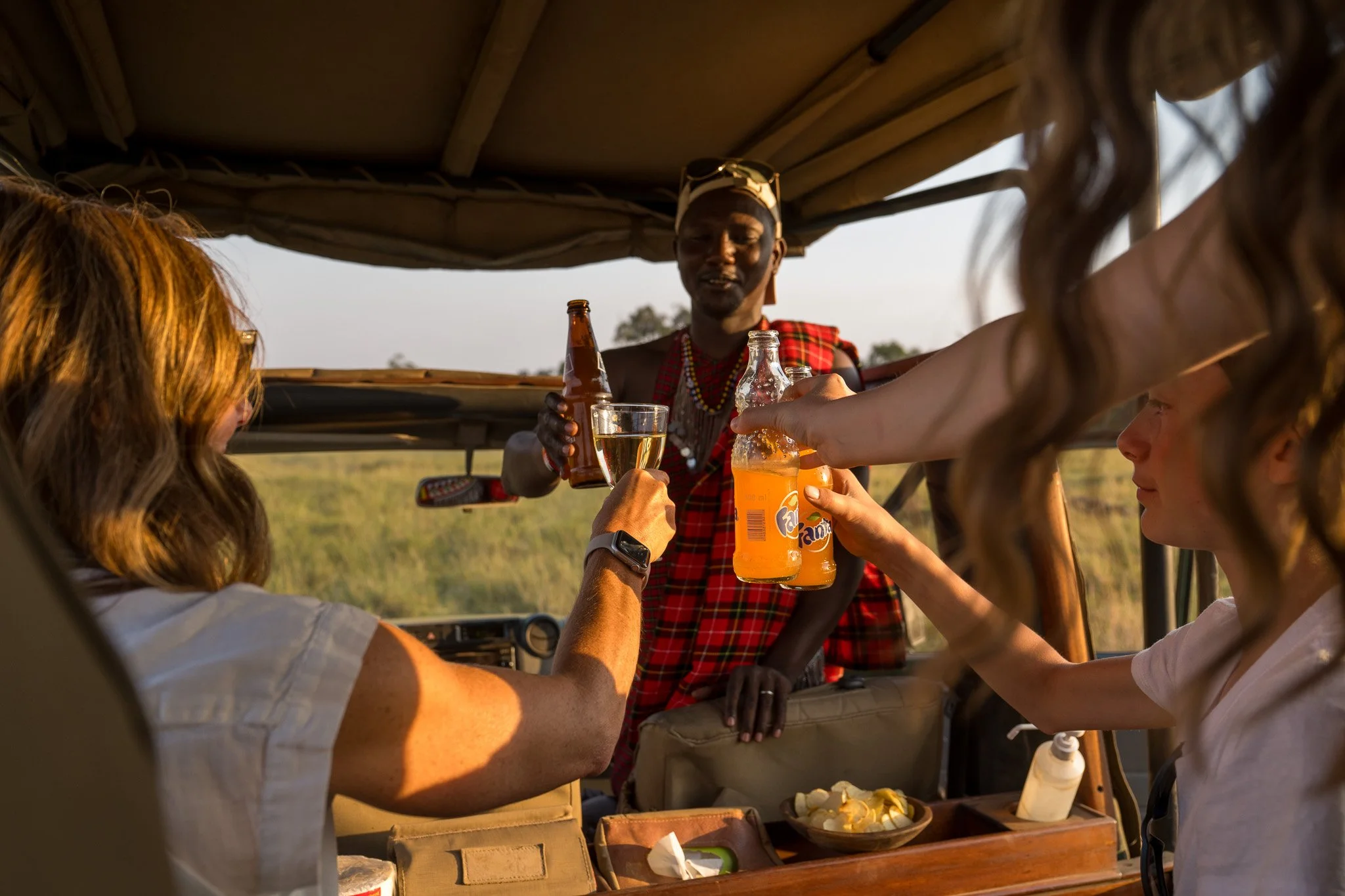
Then, sometime between dessert and port, Maasai warriors emerged from the darkness. They circled the table singing before placing a cake in front of us.
Only afterward did we learn what had happened.
By complete coincidence, close friends of ours were staying at the camp that same week. They had quietly mentioned to the staff that Lindsey and I were celebrating our twenty-fifth wedding anniversary.
Somehow, friends and strangers halfway around the world had seen our marriage.
They had spent the afternoon carrying tables into the bush, tending a fire, preparing dinner beneath the stars, baking a cake, and creating a memory we never could have imagined for ourselves. Not because they had to, but because they wanted two people far from home to feel celebrated.
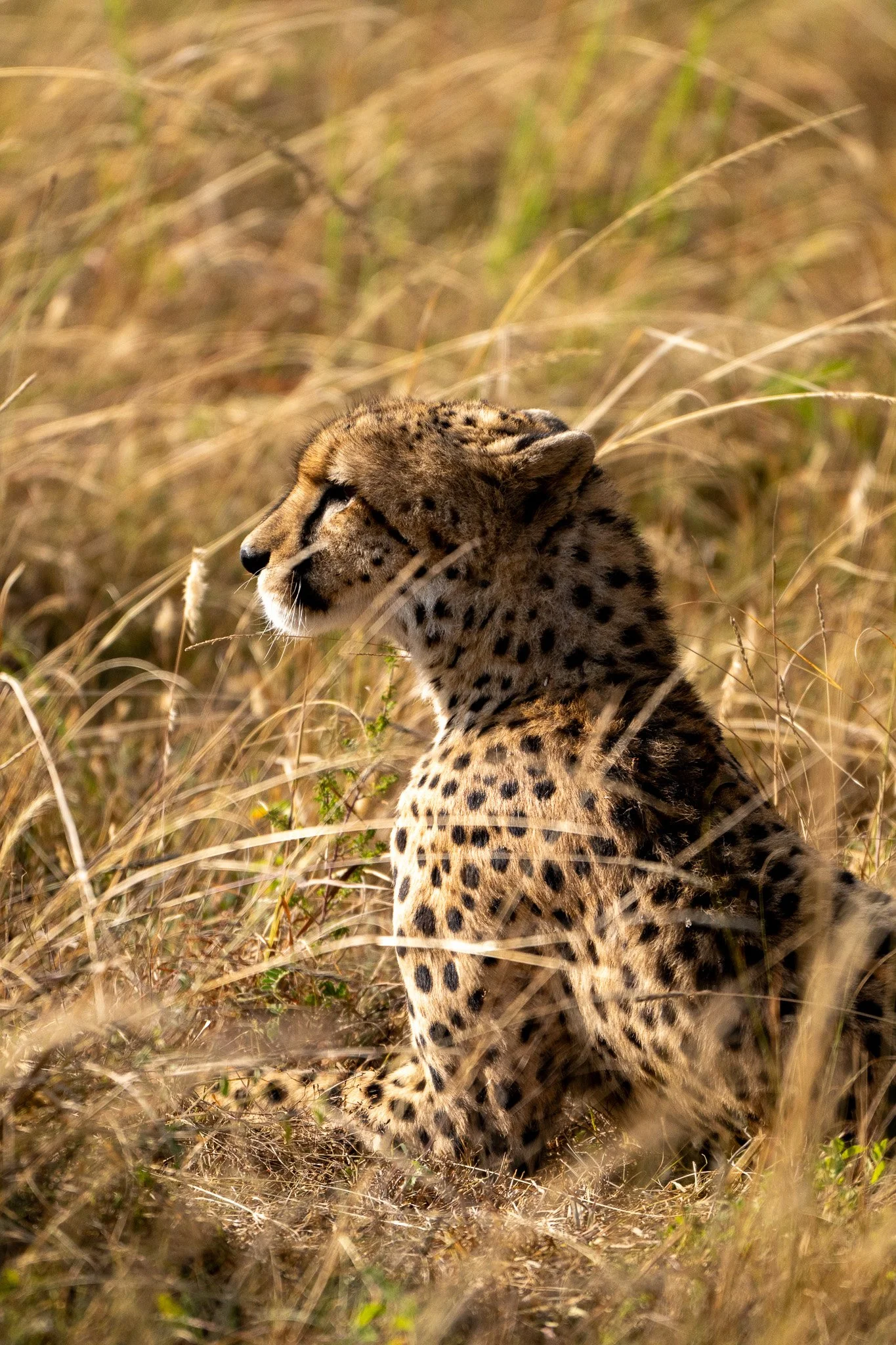
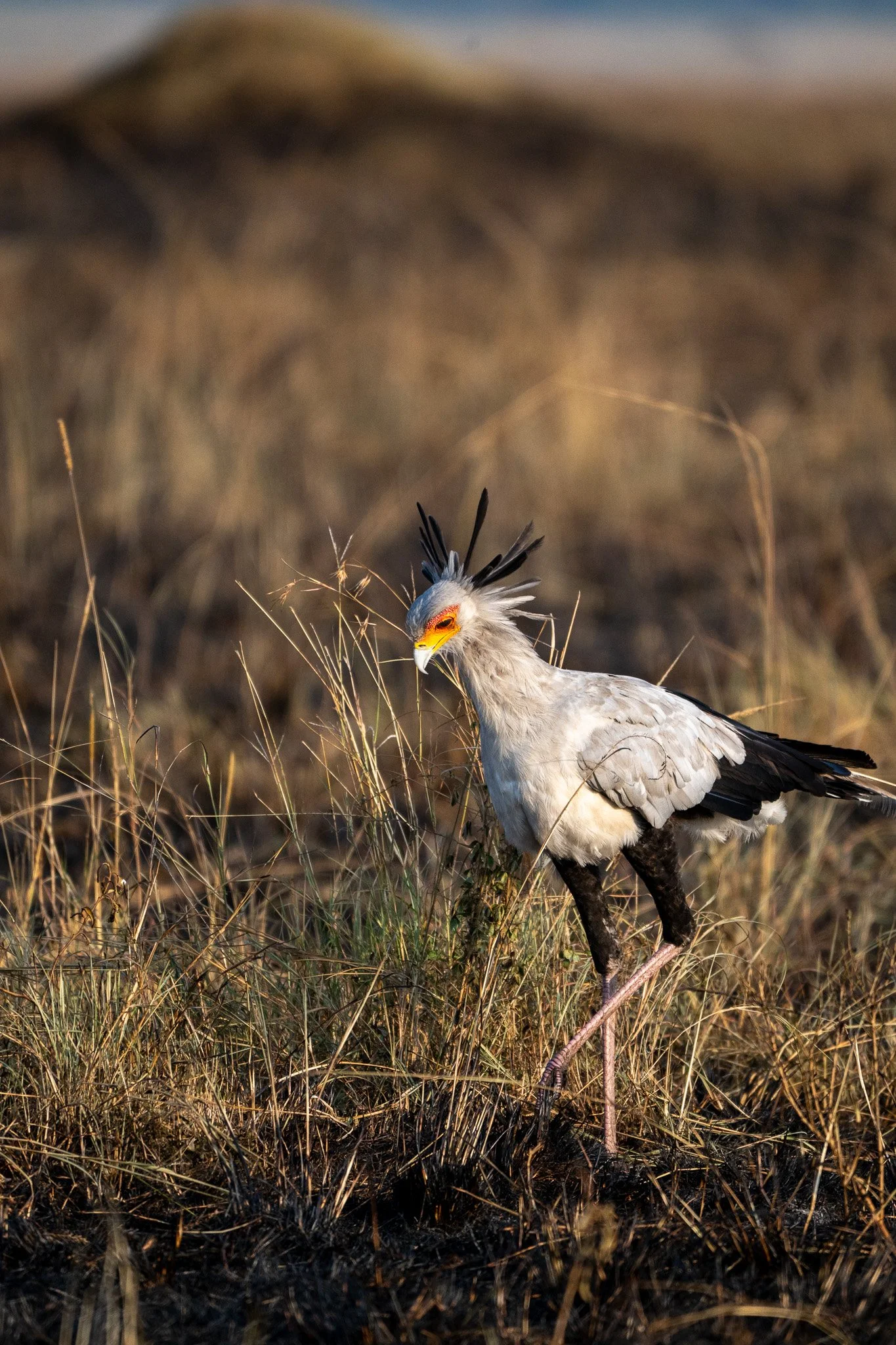
When I think back on the Mara, of course I remember the migration. The river crossing. The cheetahs. The impossible skies.
But what returns most often is that candlelit table beneath the trees.
After twenty-five years of marriage, I've realized that what stays with you isn't extravagance.
It's knowing someone cared enough to make the effort.
Thousands of miles from home, people who knew almost nothing about us somehow honored twenty-five years of shared life together. They couldn't have known what those years had held, the adventures, raising kids, the ordinary Tuesdays that quietly become a marriage. They simply saw two people and decided the occasion mattered.
Some places deserve to wait.
I'm grateful this one did.
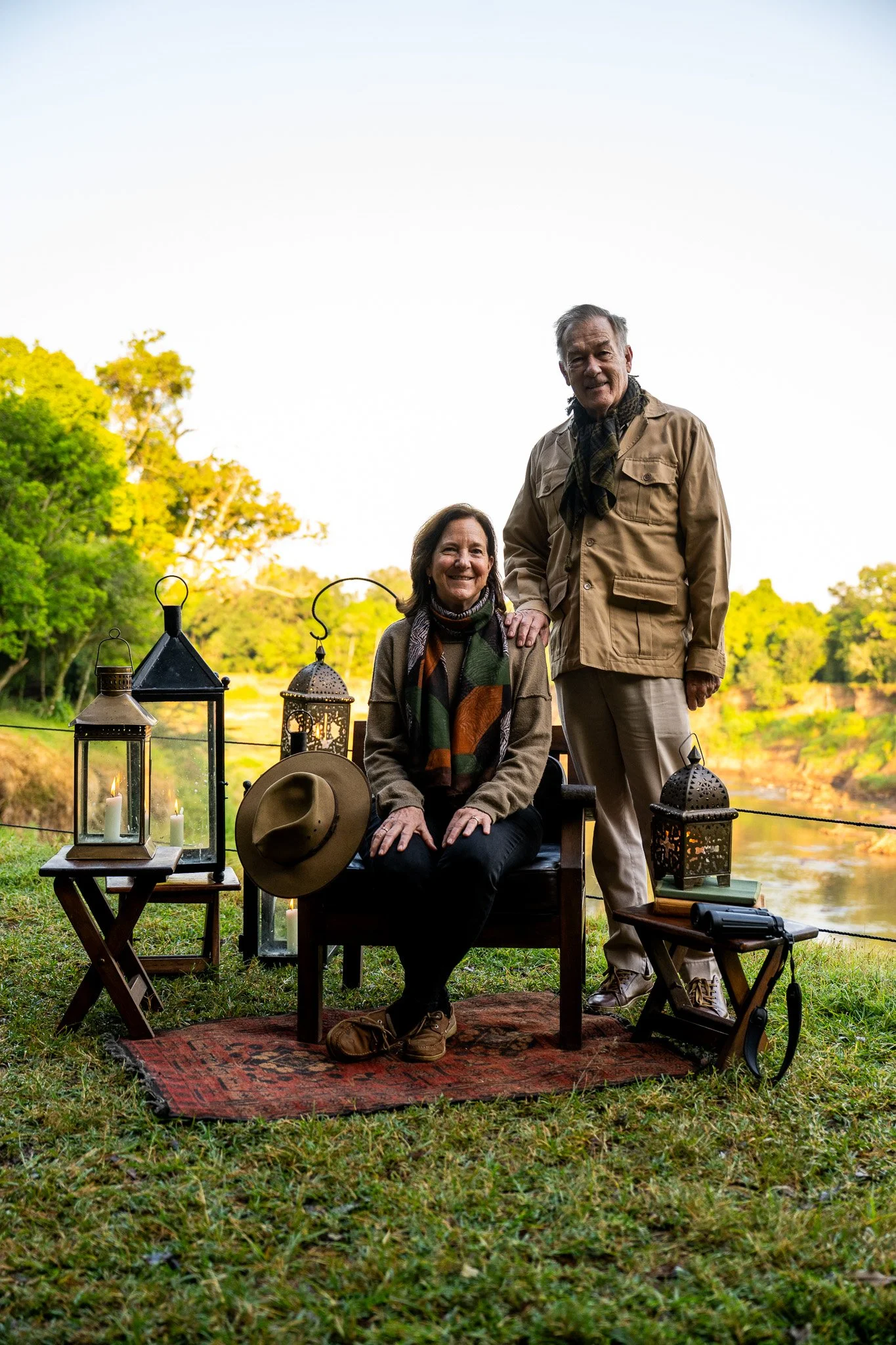
Thank you Peter & Wendy!
